
Scotland's Maternity Crisis: A week-long series exposing nationwide problems and giving voice to families

Series spans data-led investigations, expert insight, and interviews with bereaved families
Scotland’s maternity and neonatal services have long come under severe scrutiny, with families and experts fighting for years to bring about change that will help keep babies and mothers safe.
But as a long-awaited independent review into improving maternity care is set to get underway, just how bad is the current situation?
In a new series, Scotland’s Maternity Crisis, Scotland on Sunday and The Scotsman is shining a light on the myriad issues that are impacting patient care, undermining confidence, and exacting a heavy toll on staff.
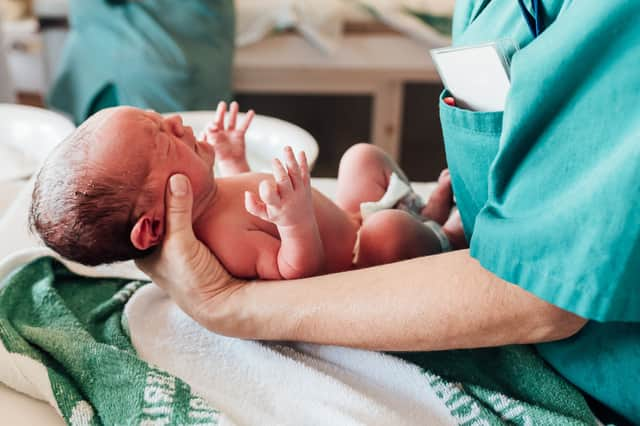

The stories in the series include insights from leading maternity experts, charities, and others with a keen interest in patient safety.
Many of the stories stem from a deep dive into official datasets compiled by the Scottish government, NHS Scotland, and other bodies, but they also rely heavily on original investigative reporting.
In order to drill down on serious safety incidents and flashpoints that are not routinely reported by public authorities, the series has utilised scores of freedom of information disclosures from Scotland’s 14 territorial health boards, the details of which will be published in the coming days.
But the series also focuses on those who matter most - the families who have lost babies and other loved ones - with scrutiny of health boards, regulatory bodies, and other organisations.
On day one of the series, Scotland on Sunday reported on how parents fighting for answers surrounding the deaths of babies in Scotland’s maternity services system have warned that an upcoming independent review - chaired by maternal and child health expert, Professor Christine McCourt - is in danger of becoming an “absolute insult” and a “complete waste of time” as a result of its limited scope. Over 4,300 people have signed a petition set up by one family calling for its approach to be broadened so as to scrutinise previous cases of death and avoidable harm.
Day two saw an exclusive investigtion in The Scotsman detailing how at least 39,978 shifts went unfilled across the nation’s 14 health boards after being put out for agency or bank cover over the past three years. The overall number of unfilled shifts has risen sharply over the period, adding to the workload and strain of existing staff. Jaki Lambert the director of the Royal College of Midwives in Scotland, also wrote of how legislation supposed to guarantee safe staffing is not being honoured.
Another freedom of information-led investigation on day three of series saw The Scotsman report on how hundreds of women have been forced to attend different hospitals than they wanted due to maternity or neonatal services being placed on ‘divert’. Several boards cited staffing pressures and bed and labour ward capacity constraints, with the National Childbirth Trust describing the trend as “deeply concerning.”
The fourth day of the series featured an interview with Lori-Mark Quate, who continues to campaign for answers after his wife, Jacqui Hunter, died while giving birth to their stillborn daughter, Olivia. Mr Quate has condemned the response from regulators to date, and says there remain unanswered questions about the drug overdose administered to his wife.
On day five, another freedom of information-led investigation revealed how nearly 2,000 complaints have been made against Scotland’s health boards over maternity and neonatal services over the past three years, with the number soaring by 40 per cent over that period.
Areas of concern which attracted some of the highest numbers of complaints include clinical treatment and staff attitudes and behaviours, with grievances also raised around issues such as privacy and confidentiality and communication.
Day six of the series brought another front page investigation, showing how nearly 500 high-level incidents which led to deaths, falls, and the sudden deterioration of patients in maternity and neonatal services have been recorded across Scotland over the past three years.
Health secretary Angela Constance said the cases were “deeply concerning,” adding it was “unacceptable” that women had not received the high-quality care they should expect.
The seventh day of the series heard from Julie Keegan and Angus McLean, whose three day-old son, Mason, died after a series of failures and oversights by Scotland’s biggest health board. Some three-and-a-half years on, they are still waiting for the final copy of a formal investigation into what went wrong.
The series concluded with political reaction to the stories, with calls for urgent reforms around some of the issues identified. Ms Constance said the government would listen and learn.
Be sure to visit The Scotsman throughout the rest of the week for the latest updates in the series.
Comments
Want to join the conversation? Please or to comment on this article.