
Exclusive:Scotland's Maternity Crisis: Nearly 500 serious adverse events over past three years
Health secretary says cases identified by The Scotsman are ‘deeply concerning’

Nearly 500 high-level incidents which led to deaths, falls, and the sudden deterioration of patients in maternity and neonatal services have been recorded across Scotland over the past three years.
In a damning overview of the frequency with which the most serious flashpoints are occurring across maternity and neonatal units at the nation’s 14 health boards, at least 490 serious adverse events took place between 2023/24 and 2025/26.
They include scores of neonatal deaths, as well as the deaths of mothers, fetal and neonatal injuries, and numerous other incidents described by health boards as “extreme” or “major.”


The spate of serious patient safety incidents, detailed as part of The Scotsman’s Scotland’s Maternity Crisis series, also included delays in diagnosis, issues surrounding discharges and transfers, and problems with the administration of medicine.
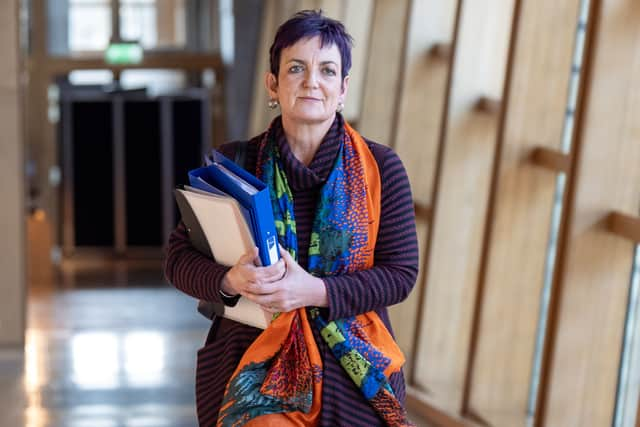
Health secretary Angela Constance said the cases were “deeply concerning,” adding it was “unacceptable” that women had not received the high-quality care they should expect.
The overall number of serious adverse events (SAEs) is likely to have been even higher, due to the way some health boards reported data in order to safeguard patient confidentiality.
Some boards also refused to provide a full breakdown of the incidents, or provided the number of serious adverse event reviews (SAERs) that had been carried out, as opposed to the recorded number SAEs. Such inconsistencies in the way the data is stored has drawn criticism from charities.

The data, obtained by The Scotsman via a series of freedom of information requests, shows that NHS Lothian recorded the highest number of SAEs of any board, with 73 in 2023/24, 81 across 2024/25, and 75 over the following 12 months.
They included 76 neonatal deaths and 75 antepartum stillbirths. Other categories of incidents included maternal deaths, birth injuries, delays in diagnosis, and falls from beds, trolleys, and chairs.
The majority of the SAEs - some 193 - occurred at the Royal Infirmary of Edinburgh, where Healthcare Improvement Scotland inspectors identified a slew of problems during an inspection last year. A further 36 incidents took place at St John’s Hospital in Livingston
NHS Lanarkshire recorded 93 so-called ‘category one’ events across its maternity and neonatal services. They included 55 fetal or neonatal incidents, 32 maternal/delivery incidents, and two child deaths.
The ‘category one’ events rose from 17 in 2023/24 to 35 in 2024/25 and 41 in 2025/56. However, the health board pointed to a software transition in August 2024 which it said “may affect how incidents are recorded, categorised and reported, particularly in relation to severity classification and review route selection.”
Scotland’s biggest health board, NHS Greater Glasgow and Clyde, recorded 81 SAEs over the three years. It classed nearly a quarter (19) as ‘extreme’, with 39 deemed ‘major’, and 23 of ‘moderate’ severity. They spanned categories including treatment problems, theatre processes, and crash calls or cardiac arrests.
Glasgow’s Princess Royal Maternity Hospital recorded the most incidents (35), followed by the Queen Elizabeth University Hospital (26) and the Royal Alexandra Hospital in Paisley (20).
Elsewhere, NHS Fife recorded at least 22 SAE incidents, including unexpected infant and maternal deaths, birth injury and trauma, neonatal stroke, failure of diagnosis and referral, and “significantly abnormal imaging.”
There were 15 SAEs in NHS Forth Valley, including still births, therapeutic cooling, diagnosis delays, and issues with post operative care. At NHS Borders, meanwhile, at least 14 SAEs occurred, including several stillbirths, and ante-partum and post-partum haemorrhages.
However, one of Scotland’s biggest health boards, NHS Grampian, only disclosed the number of ‘themes’ such as treatment delays, medication errors, and staffing. They do not represent single SAEs. It added that at least 37 SAE reviews were completed between 2023/24 and 2025/26.
Only one health board - NHS Shetland - reported no SAEs over the three year period, while other island health boards reported minimal numbers, with at least one apiece recorded in NHS Orkney and NHS Western Isles.
Rachael McGrath, director of operations at the Birth Trauma Association, said: “These figures are extremely concerning, not only because of the vast number and serious nature of the incidents reported, but because of the inconsistencies in how these serious adverse events are recorded and reviewed across Scotland.
“We see families whose lives have been devastated after they experienced a traumatic birth, serious injury or loss, only to have their pain compounded by a lack of transparency around their experience. A consistent approach to reporting serious adverse events would help to identify recurring problems and persistent themes.”
Judy Ledger, the founder and chief executive of Baby Lifeline, which supports frontline NHS staff to prevent injuries and deaths in and around childbirth, said: “These figures represent devastating events for women, babies and families, as well as for the maternity and neonatal staff involved. Safer maternity care depends on an open, ‘problem-sensing’ culture in which adverse events are reported without fear, and staff have the psychological safety, training, support and time to learn from them.
“When things go wrong, robust investigations must examine the whole system - not simply individual actions - so that meaningful changes can be made to prevent similar harm in future.”
Ms Constance said: “These cases are deeply concerning and it is unacceptable that women have not received the high-quality care they should expect. I am crystal clear that patient safety must always come first and one of my first acts as health secretary was to announce an independent review of maternity services.
“When things go wrong I expect boards to investigate fully, be open and honest with families about what happened, and to make sure lessons are learned to improve care. In rare cases of clinical negligence, health boards and care professionals must learn from these situations and make improvements.
“The Scottish government is currently undertaking work, jointly with Healthcare Improvement Scotland and the Crown Office and Procurator Fiscal Service’s Scottish fatalities investigation unit, to improve the quality and timeliness of significant adverse event reviews in health boards.”
Comments
Want to join the conversation? Please or to comment on this article.