
ScotRail reveals its new inter-city train fleet in £330m contract

20-year-old refurbished trains will replace 50-year-old fleet
ScotRail has confirmed second-hand diesel trains will replace its ageing High Speed Train (HST) fleet on inter-city routes from the end of next year which will cost £330 million.
A total of 22 class 222 trains, which are themselves 20 years old, will be fully introduced by the end of 2028 for services between Edinburgh and Glasgow and Aberdeen and Inverness, which carry 3 million passengers a year
The trains will cost £250m to maintain until 2036 and a further £80m to refurbish, both by Alstom, which ScotRail said would ensure they “enter service to the highest possible standard”.
The trains will include wifi powered by Starlink satellites with passengers also to benefit from “new voice-over-internet phone capability”, new seats, tables and carpets, information screens, space for unfolded pushchairs and space for six bikes.
The class 222s will undergo an £80 million overhaul, £67m of which will provided by the Scottish Government.


The announcement of the fleet, which has been an open secret in the rail industry for several years, confirms details of the plans revealed by The Scotsman in January.
The fleet will provide a stop gap until new trains which can run on both battery and diesel power are ordered, which would require “supporting infrastructure” to be in place, according to Transport Scotland.
The agency had previously planned to electrify the routes by 2035, but this was postponed last November.
It said the timescale was dependent on the pace of electrification, which “will be driven by the availability of funding and technological maturity”.
Scottish Government-owned ScotRail will hope it will be sixth time lucky for a smooth trains introduction after its last five new fleet launches over the last three decades were plagued with problems.

Those included the introduction of the HSTs, which are nearing 50 years old, whose refurbishment became so problematic that some of the trains were pressed into passenger service before they had been upgraded, still with old-fashioned “slam” doors.
ScotRail said the HSTs, which were not due to be replaced until 2030, presented “operational challenges” and were “considerably more expensive to operate and maintain”.
They have proved unreliable and had to be replaced with other trains, causing shortages on other lines such as in Fife.
One of the trains, which do not comply with modern crashworthiness standards, was involved in the fatal Carmont derailment near Stonehaven in Aberdeenshire in 2020, in which three people were killed.
Train drivers union Aslef campaigned for their withdrawal after the crash, originally threatening to boycott them if this didn’t happen within three years.
However, officials relented when they became aware of plans to acquire the class 222s.
Executive council representative for Scotland Jim Baxter said: “We have expressed our concerns for a number of years that the outdated HST trains were not fit for purpose for the 21st century and they needed replacing with trains that had far greater crashworthiness and were more comfortable for passengers.”
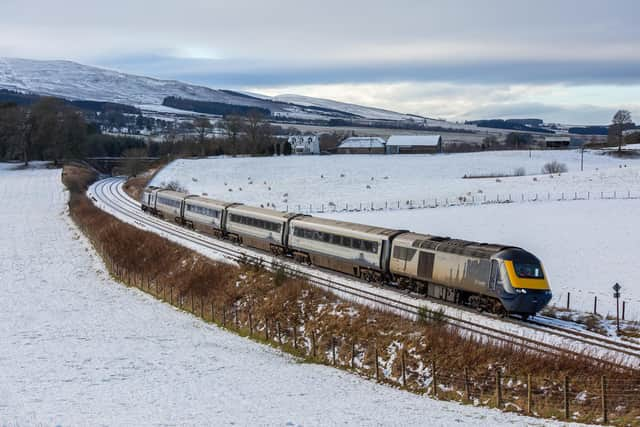
Passengers will be able to get a feel for the new fleet when cut-price operator Lumo introduces refurbished class 222s between Stirling and London by May.
An industry source told The Scotsman: “It’s good news. The trains are proven and successful on the London St Pancras - Sheffield route and I believe have been popular there, though now shabby and in need of refurbishment.
“They have more rapid acceleration than HSTs and I hope Network Rail will develop a programme of speed improvements to make use of this to reduce journey times.
“The dream of HSTs tiding ScotRail over to electrification is finally dead.”
ScotRail managing director Joanne Maguire said: “This is fantastic news for our customers and our staff, as we continue to work towards delivering a safe, green, and reliable railway.
“More modern trains are a significant factor in encouraging more people to leave the car at home and travel by rail, and this investment will deliver a considerable improvement in the journey experience.”
Transport Secretary Fiona Hyslop said: “This contract award takes our ambitions a step further as we move forward with replacing the existing intercity fleet with trains that offer improved facilities and accessibility.”
Alstom UK managing director Rob Whyte said: “The Class 222 fleet has a strong service history, and through this comprehensive programme of technical support, refurbishment and heavy maintenance, we will help to ensure these trains continue to deliver a safe, comfortable and dependable experience for passengers for many years to come.”
Comments
Want to join the conversation? Please or to comment on this article.