
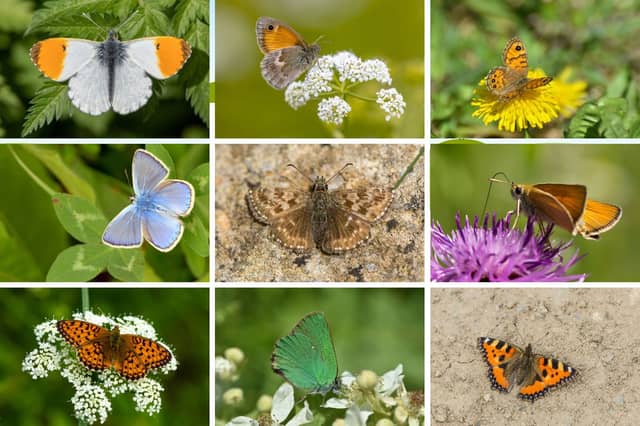

From a small tortoiseshell sunning its wings on a garden buddleia, to a dark green fritillary soaring over grassland, butterflies add colour to wherever they live.
Scotland is home to more than half of Britain’s species of the insect, with several found in greater numbers than anywhere else in the UK.
Several others are migratory visitors, for instance the suphur flashes of the clouded yellow and the brimstone are occasionally seen in Scotland, but to be considered native a butterfly must regularly breed in its home country.
They all have fascinating life cycles, starting life as tiny eggs that hatch into ravenous caterpillars, eventually pupating and emerging as adults – one of the great transformative miracles of the natural world.
But it’s amazing how few butterflies the average Scot can identify, aside from the usual ‘cabbage whites’ and red admirals.
So, here are all the species to be found, along with where and when you can see them. How many can you spot in 2025?
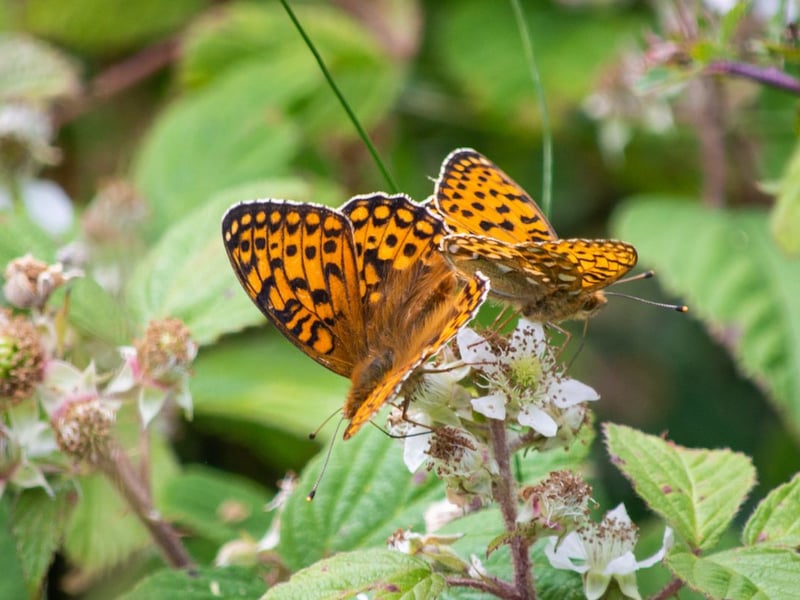
13. Dark Green Fritillary
The largest of the Scottish species (the silver-washed fritillary not being found north of the border), the dark green fritillary can be seen between June and August. If you are on a Highland beach look out for them enjoying soaring above the sand dunes. | Canva/Getty Images
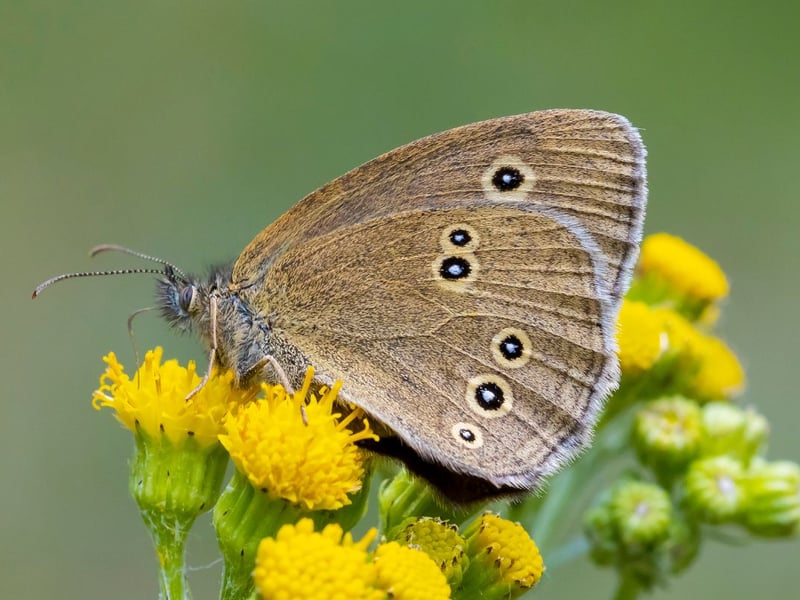
14. RInglet
One of the big success stories of recent years, the ringlet used to be relatively scarce but now large colonies can be found in the majority of towns and cities in Scotland. It overwinters as a caterpillar with the adults emerging in June and July. | Canva/Getty Images
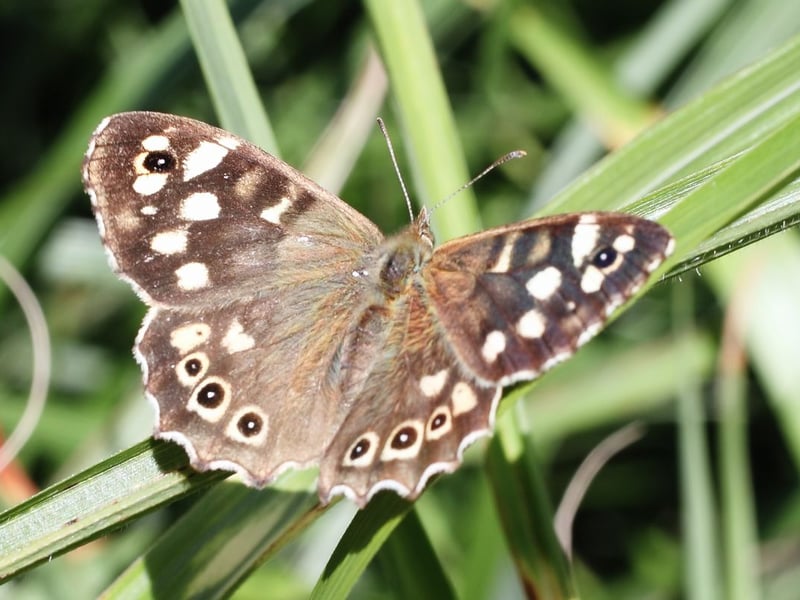
15. Speckled Wood
Once relatively rare in Scotland, the dapper Speckled Wood butterfly has become increasingly widespread in recent years. Emerging in April, their population peaks in early May, with favourite spots being hedgerows and woodland clearings. | Canva/Getty Images
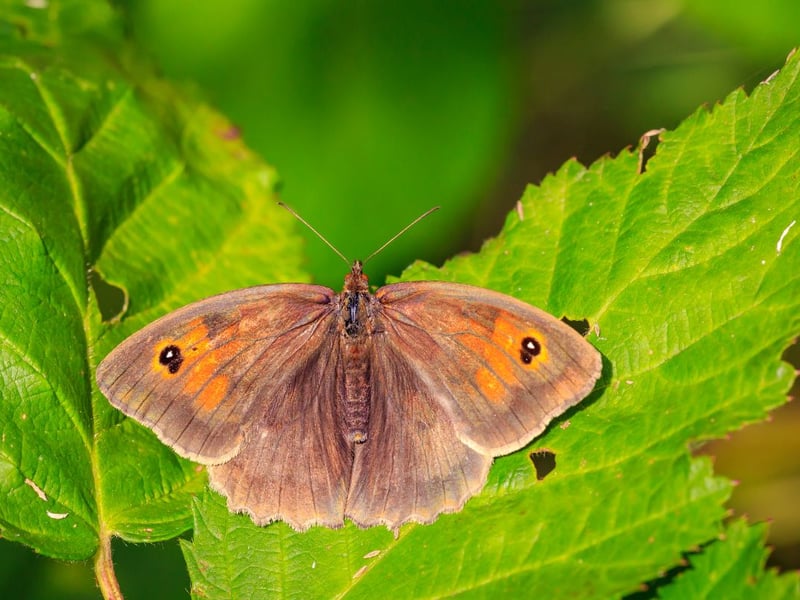
16. Meadow Brown
If you are in a Scottish meadow and see a brown butterfly the chances are that it's a meadow brown! On the wing from late June to September, long grass and a bit of sun is all the butterfly seems to need to thrive. Wide regional variations in the spotting pattern on the wings have led to it being studied extensively by geneticists over many years. | Canva/Getty Images