
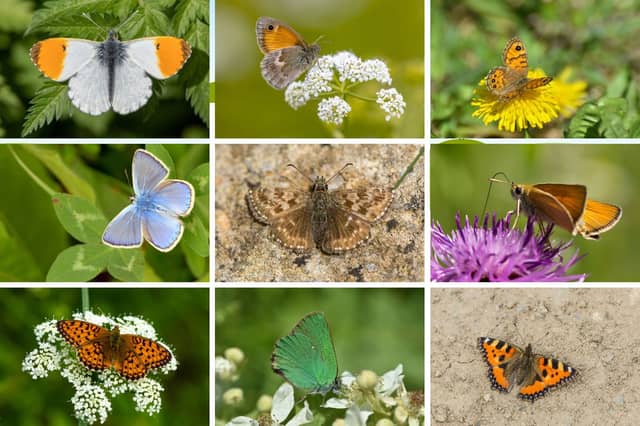

From a small tortoiseshell sunning its wings on a garden buddleia, to a dark green fritillary soaring over grassland, butterflies add colour to wherever they live.
Scotland is home to more than half of Britain’s species of the insect, with several found in greater numbers than anywhere else in the UK.
Several others are migratory visitors, for instance the suphur flashes of the clouded yellow and the brimstone are occasionally seen in Scotland, but to be considered native a butterfly must regularly breed in its home country.
They all have fascinating life cycles, starting life as tiny eggs that hatch into ravenous caterpillars, eventually pupating and emerging as adults – one of the great transformative miracles of the natural world.
But it’s amazing how few butterflies the average Scot can identify, aside from the usual ‘cabbage whites’ and red admirals.
So, here are all the species to be found, along with where and when you can see them. How many can you spot in 2025?
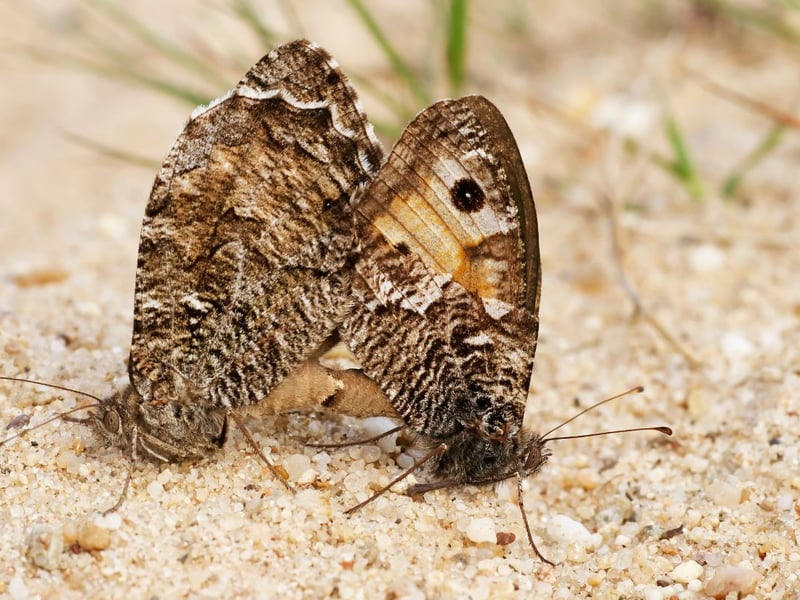
17. Grayling
Superbly camouflaged against the rocky ground where it typically lives, the majority of grayling colonies are found in coastal parts of Scotland. You can see them from July to early August. | Canva/Getty Images
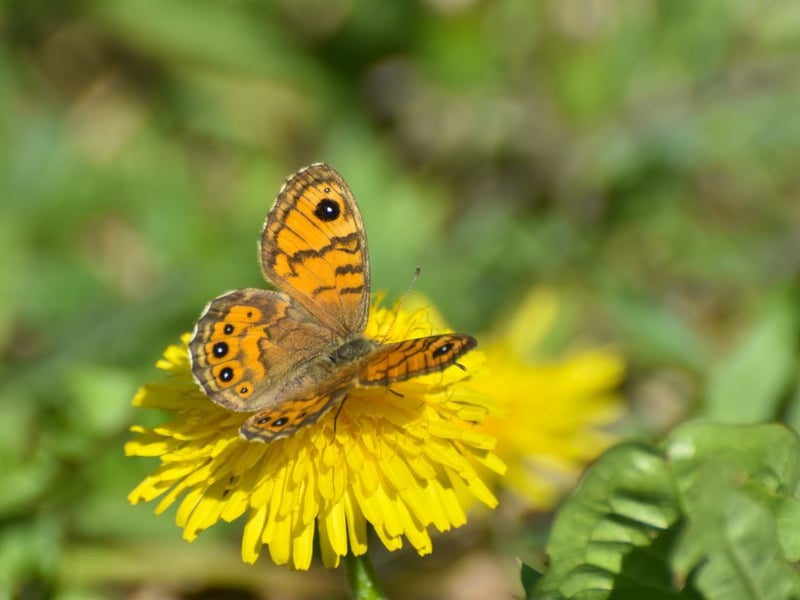
18. Wall
Also known as the wall brown, the wall butterfly is fairly common across England but is absent from most of Scotland. Your best chance of seeing them is on bare ground on a sunny day in the south east and south west of the country in either early June or late August, when the two annual broods are at their height. | Canva/Getty Images
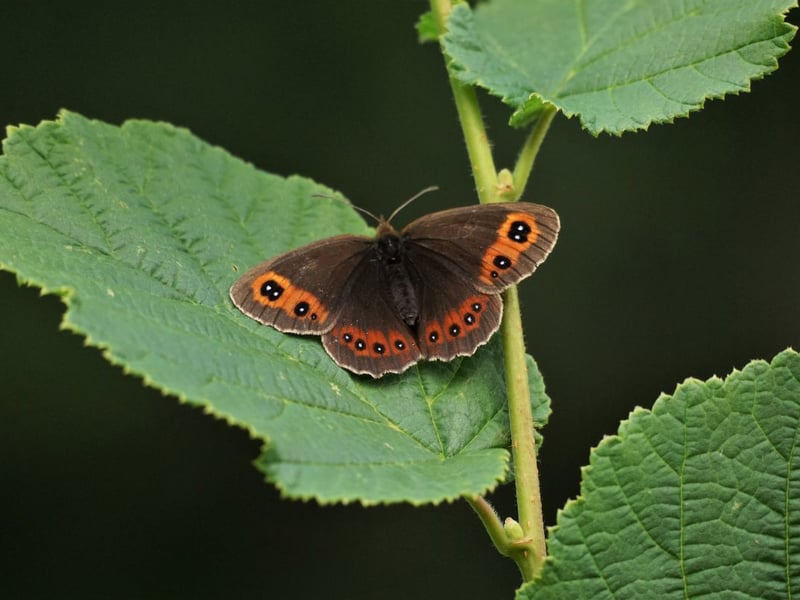
19. Scotch Argus
Common in areas of grassland (the longer the grass, the better) across Scotland - and particularly in the west of the country - you can see the Scotch argus throughout July and August. | Canva/Getty Images
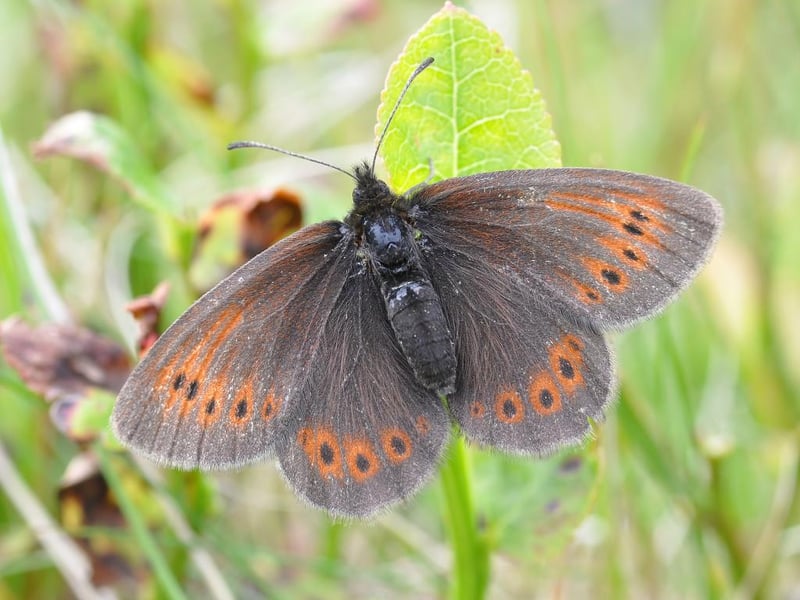
20. Mountain Ringlet
If you want to see every native breed of Scottish butterfly then the mountain ringlet might be your biggest challenge. Very rare, they can only be found in small areas of grass between 500m and 900m in altitude. They can be differentiated from the scotch argus by their smaller size and the lack of white spots in the middle of their 'eye' markings. | Canva/Getty Images