
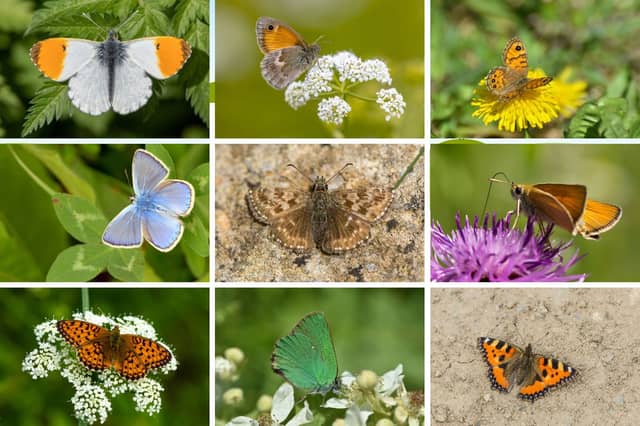

From a small tortoiseshell sunning its wings on a garden buddleia, to a dark green fritillary soaring over grassland, butterflies add colour to wherever they live.
Scotland is home to more than half of Britain’s species of the insect, with several found in greater numbers than anywhere else in the UK.
Several others are migratory visitors, for instance the suphur flashes of the clouded yellow and the brimstone are occasionally seen in Scotland, but to be considered native a butterfly must regularly breed in its home country.
They all have fascinating life cycles, starting life as tiny eggs that hatch into ravenous caterpillars, eventually pupating and emerging as adults – one of the great transformative miracles of the natural world.
But it’s amazing how few butterflies the average Scot can identify, aside from the usual ‘cabbage whites’ and red admirals.
So, here are all the species to be found, along with where and when you can see them. How many can you spot in 2025?
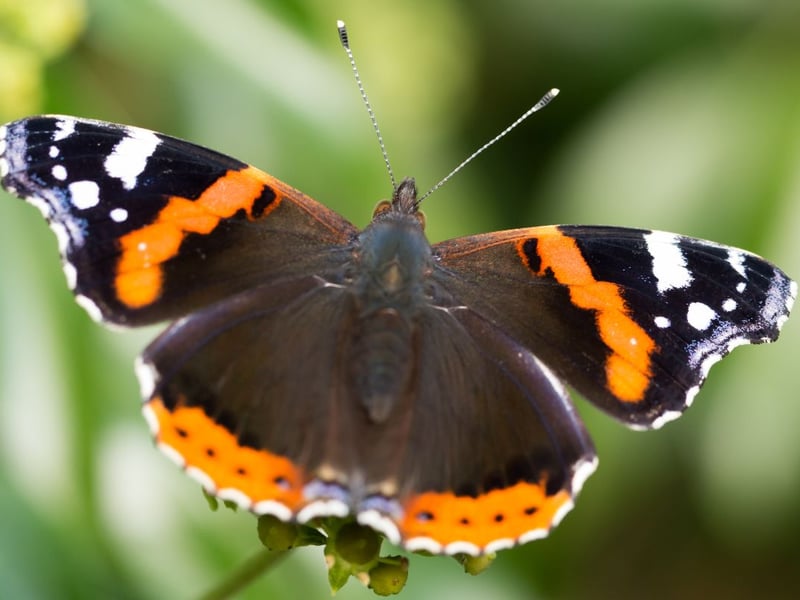
9. Red Admiral
On the wing from May to October, and common in parks and gardens across Scotland, while the red admiral does breed in Scotland the vast majority of adult insects you see will be migrants from south of the border. | Canva/Getty Images
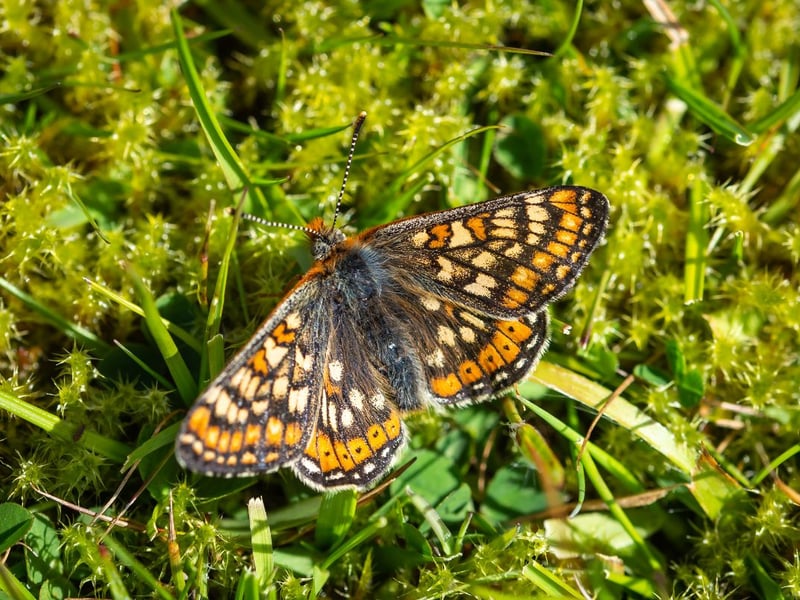
10. Marsh Fritillary
The chances are you'll have to travel to catch a glimpse of the marsh fritillary, which is found in the damp conditions the name would suggest. Flying from May to June, they are most common in South Lochaber, Argyll and the Inner Hebrides. | Canva/Getty Images
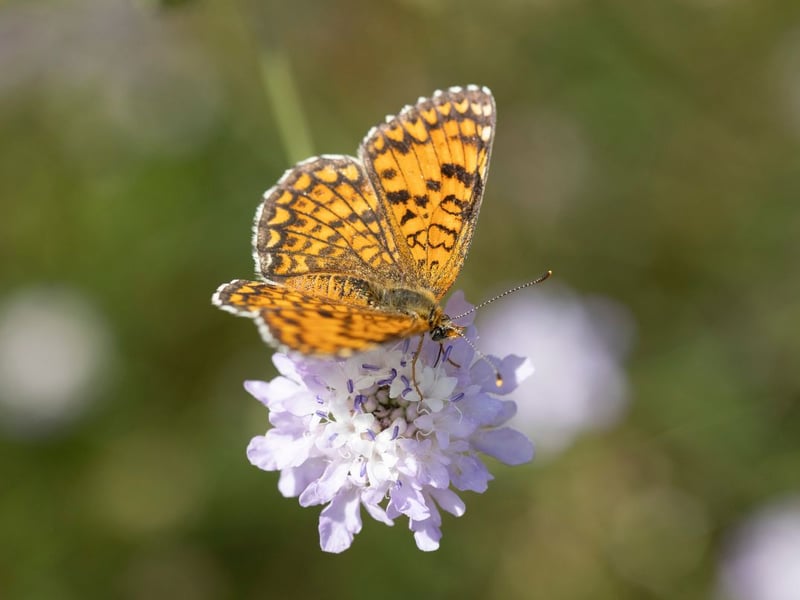
11. Pearl-bordered Fritillary
Early May to the middle of June is your best time to see the orange-and-black small pearl-bordered fritillary. Look out for them flitting over moorland, sunny hillsides and bracken-covered areas. | Canva/Getty Images
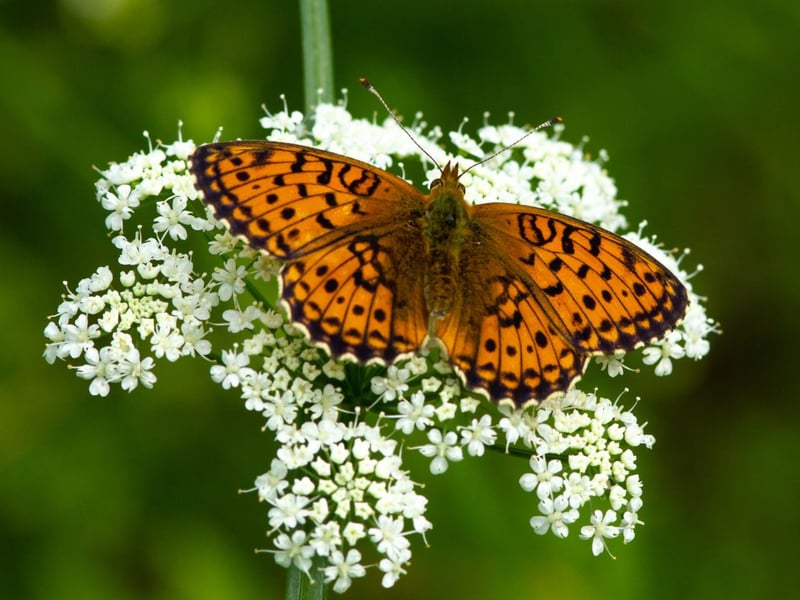
12. Small Pearl-Bordered Fritillary
Despite the name, the small pearl-bordered fritillary is pretty much the same size as the pearl-bordered fritillary and the two species are all but impossible to differentiate on the wing. They also occupy similar terrain, although the 'small' version is more common and is seen later in the year, often until the end of July. The smaller number of white markings on the underside of the wing of the 'small' species is the easiest way to tell them apart. | Canva/Getty Images