
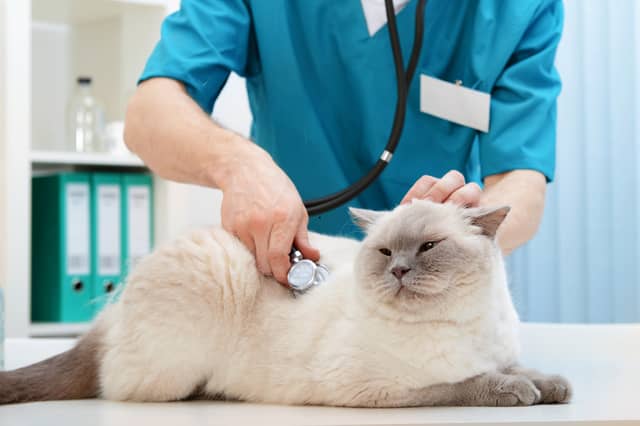

Humans are thought to have kept cats as pets for over 10,000 years, with the first domesticated felines evolving from African wildcats.
Since then they have become the world’s second most popular pet, just behind dogs when it comes to the animals we most like to welcome in to our homes and our hearts.
In the UK alone there are more than 10 million feline friends in households.
And there are a huge range of types of cat to choose from - according to The International Cat Association there are 73 ‘standardised breeds’, along with a bewildering number of crosses.
Sadly some cat breeds are either born with pre-existing medical conditions, often due to selective breeding, or are predisposed to certain health issues.
Meanwhile others are naturally healthy and far less likely to develop debilitating conditions - with a better chance of living a long and illness-free life.
Here are the 20 most and least healthy breed of cat.
Make sure you don't miss a moment of breaking news from across Scotland by signing up to our free newsletter here.
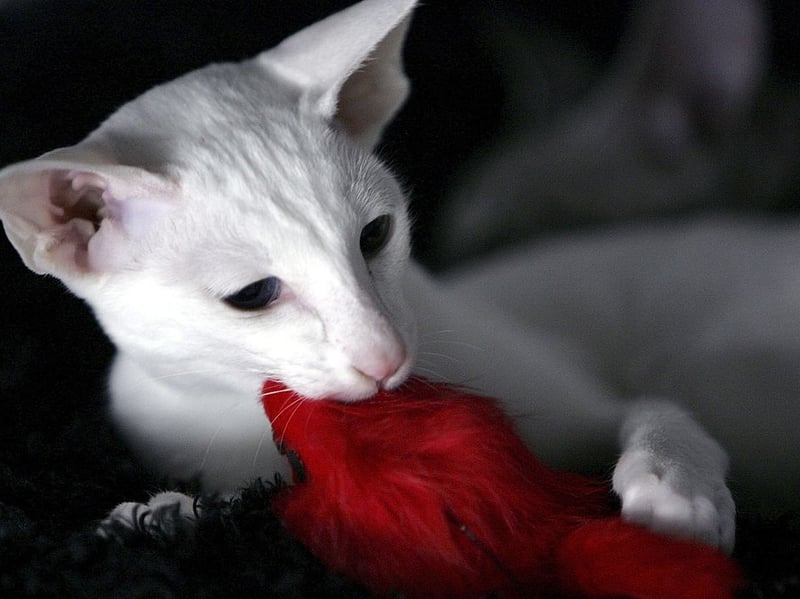
9. Oriental Shorthair
Oriental Shorthairs are closely related to Siamese cats and share their excellent health and longevity, often living 15–20 years. They have a sleek, muscular body that stays naturally fit due to their active nature. | Getty Images
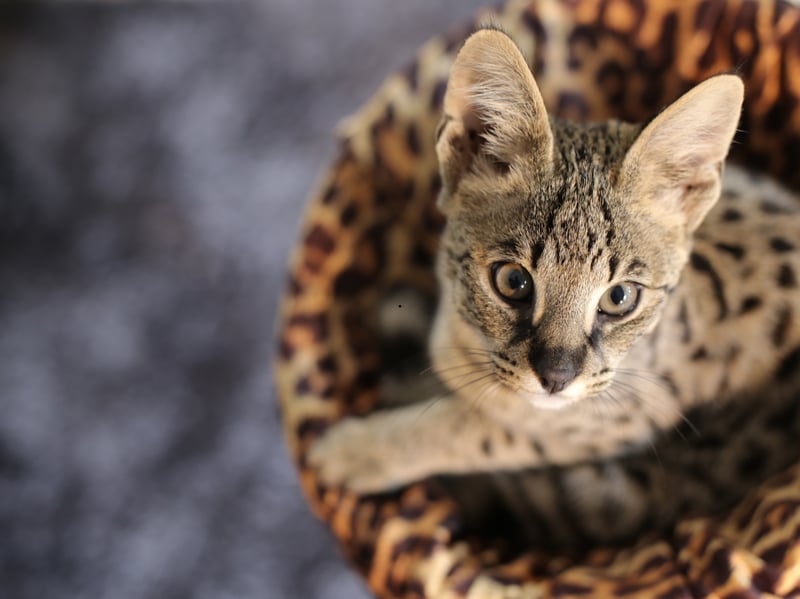
10. Savannah
Savannah cats are a hybrid breed known for their excellent health and athletic build. With a lifespan of 12–20 years, they are one of the longest-living cat breeds. Their hybrid genetics give them a strong immune system and resistance to many feline diseases. | Canva/Getty Images
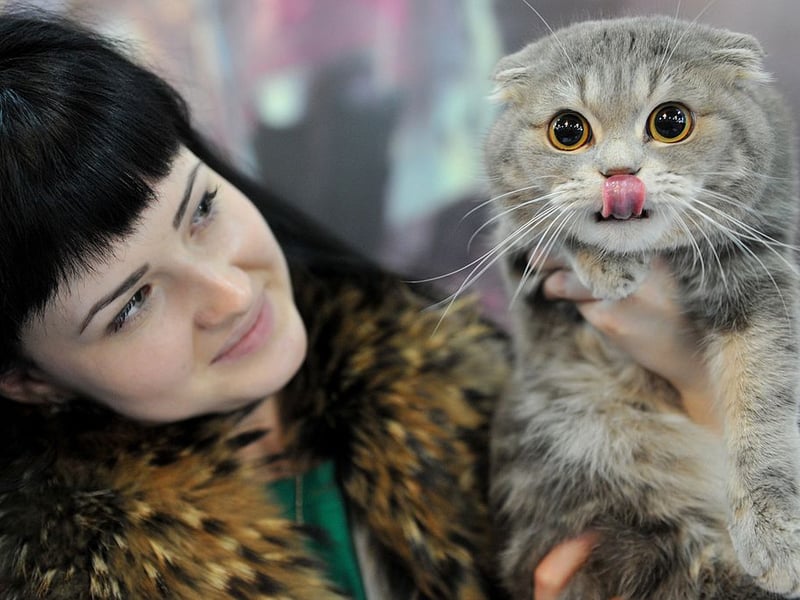
11. Scottish Fold
Now we're moving to the cats that are known to be probe to life-limiting conditions, starting with Taylor Swift's favourite feline. Scottish Folds are known for their folded ears and ‘round’ appearance. All breed individuals carry a genetic defect leading to generalised osteochondrodysplasia, an abnormality of cartilage and bone that leads to severe joint deformity and early onset osteoarthritis. Scottish Folds are not recognised by the Governing Council of the Cat Fancy (GCCF) for pedigree registration due to these welfare concerns. | AFP via Getty Images
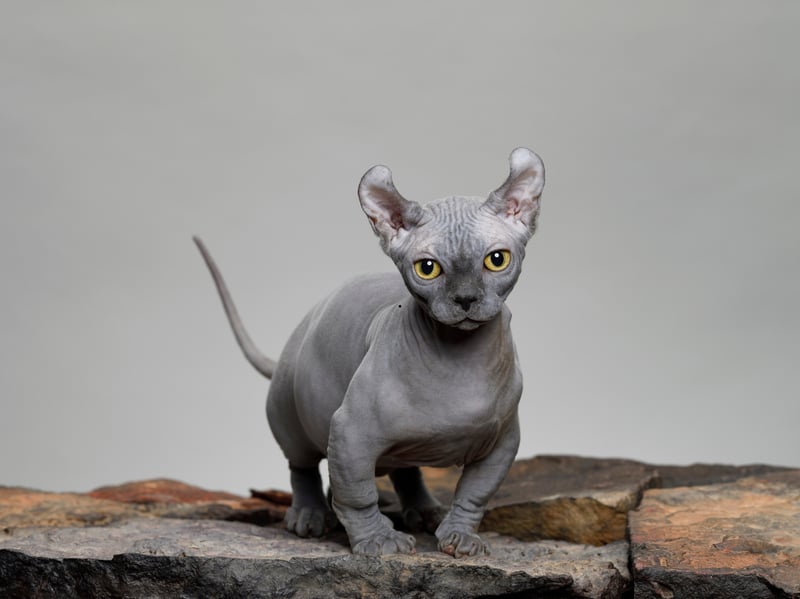
12. Bully
The Bully, also known as the Dwelf cat or Bambina, is the latest example of a breed with characteristics which impact welfare. A cross between a sphynx and a munchkin cat they suffer from physical deformities, including hairlessness and distorted limbs. These defects, particularly limb deformities (short bowed legs) and abnormal joints are not only painful, but also prevent these cats from carrying out normal behaviours essential for their welfare and their ability to live a good quality of life, such as restricting their mobility. | Canva/Getty Images