

Humans are thought to have kept cats as pets for over 10,000 years, with the first domesticated felines evolving from African wildcats.
Since then they have become the world’s second most popular pet, just behind dogs when it comes to the animals we most like to welcome in to our homes and our hearts.
In the UK alone there are more than 10 million feline friends in households.
And there are a huge range of types of cat to choose from - according to The International Cat Association there are 73 ‘standardised breeds’, along with a bewildering number of crosses.
Sadly some cat breeds are either born with pre-existing medical conditions, often due to selective breeding, or are predisposed to certain health issues.
Meanwhile others are naturally healthy and far less likely to develop debilitating conditions - with a better chance of living a long and illness-free life.
Here are the 20 most and least healthy breed of cat.
Make sure you don't miss a moment of breaking news from across Scotland by signing up to our free newsletter here.
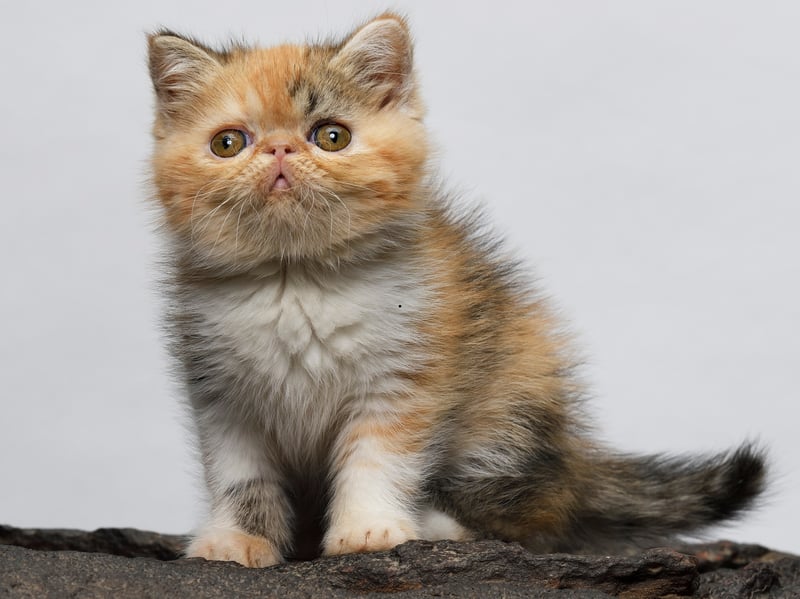
13. Exotic
The Exotic is another breed that is predisposed to Brachycephalic Obstructive Airway Syndrome (BOAS) which result in breathing and feeding problems. The flatter the face the more the cat is at risk. | Canva/Getty Images
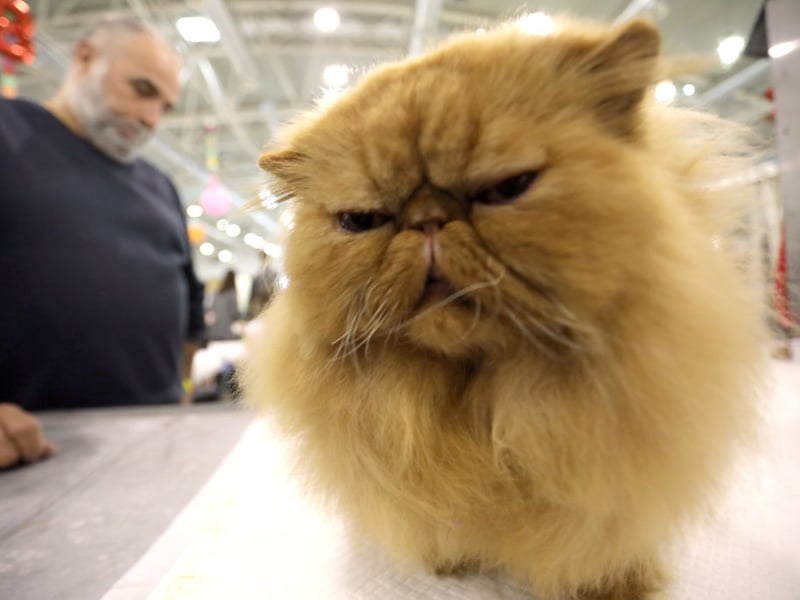
14. Persian
Extreme flat-faced Persians display the brachycephalic features which can lead to protruding eyes which are at greater risk of nonreal injury. They are also likely to get infections (dermatitis) from facial skin folds, compressed airways which cause difficulty breathing and a deformed jaw which can predispose to dental disease - making normal behaviours such as eating and grooming more difficult. | Getty Images
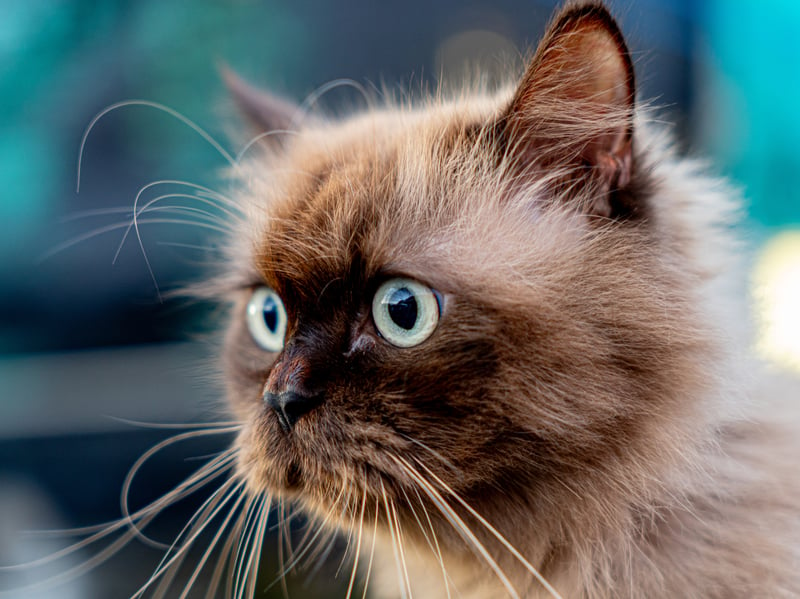
15. Munchkin
Munchkin cats have a form of dwarfism and suffer from joint deformities which can reduce their mobility (and ability to exhibit normal cat behaviour) and can lead to spinal problems and early onset arthritis | Canva/Getty Images
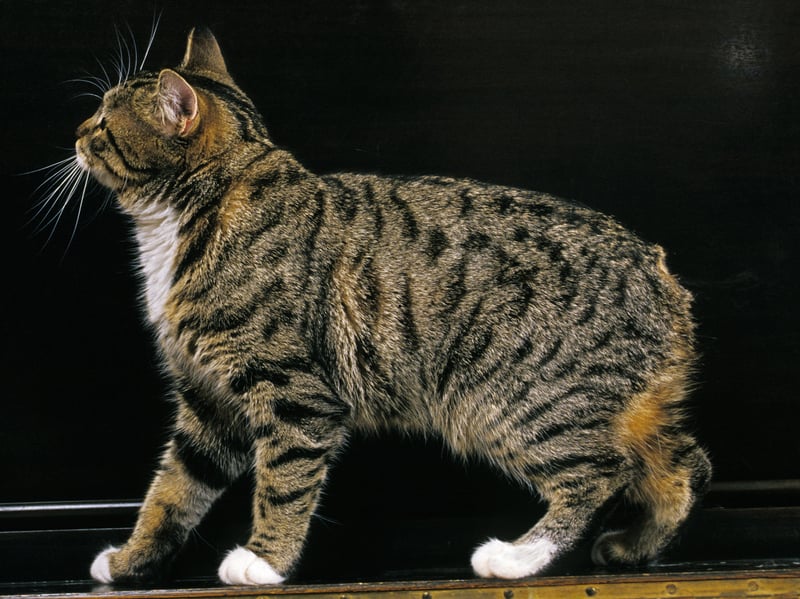
16. Manx
The Manx is a beautiful cat breed that is recognised by its stumpy and short tail. Sadly, this cat breed is prone to arthritis and 'Manx syndrome' which can cause spine problems and digestion issues. | Canva/Getty Images