


Humans are thought to have kept cats as pets for over 10,000 years, with the first domesticated felines evolving from African wildcats.
Since then they have become the world’s second most popular pet, just behind dogs when it comes to the animals we most like to welcome in to our homes and our hearts.
In the UK alone there are more than 10 million feline friends in households.
And there are a huge range of types of cat to choose from - according to The International Cat Association there are 73 ‘standardised breeds’, along with a bewildering number of crosses.
Sadly some cat breeds are either born with pre-existing medical conditions, often due to selective breeding, or are predisposed to certain health issues.
Meanwhile others are naturally healthy and far less likely to develop debilitating conditions - with a better chance of living a long and illness-free life.
Here are the 20 most and least healthy breed of cat.
Make sure you don't miss a moment of breaking news from across Scotland by signing up to our free newsletter here.
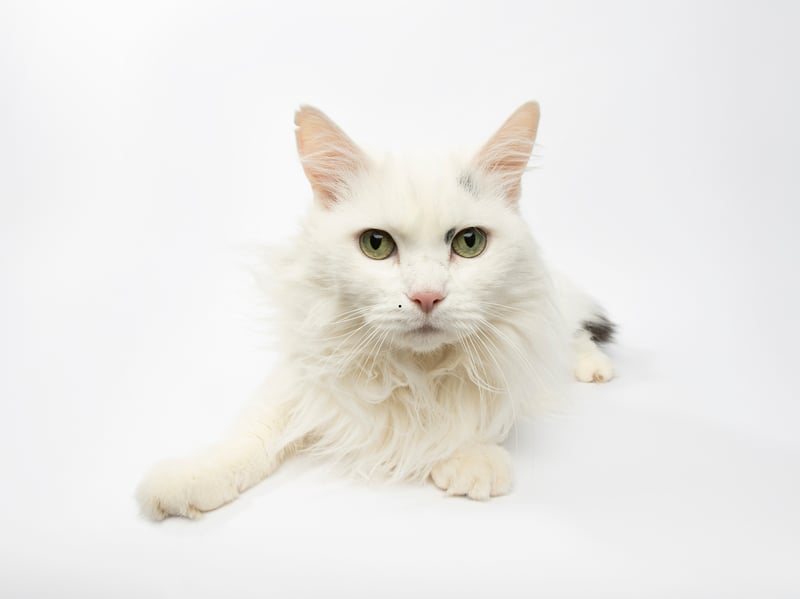
5. Turkish Angora
As graceful as they are sturdy, the Turkish Angoras doesn't have much in the way of severe inherited conditions. When obtained from well-managed breeding lines they tend to maintain good heart, ear and eye health. | Canva/Getty Images

6. Maine Coon
It's essential that Maine Coons are responsibly bred, with sceening reducing the risk of animals developing cardiomyopathy (the most common type of heart disease in cats). If their hearts are healthy then this cat breed's hardy frame, adaptable digestion and strong immunity mean they should have a long life. | AFP via Getty Images
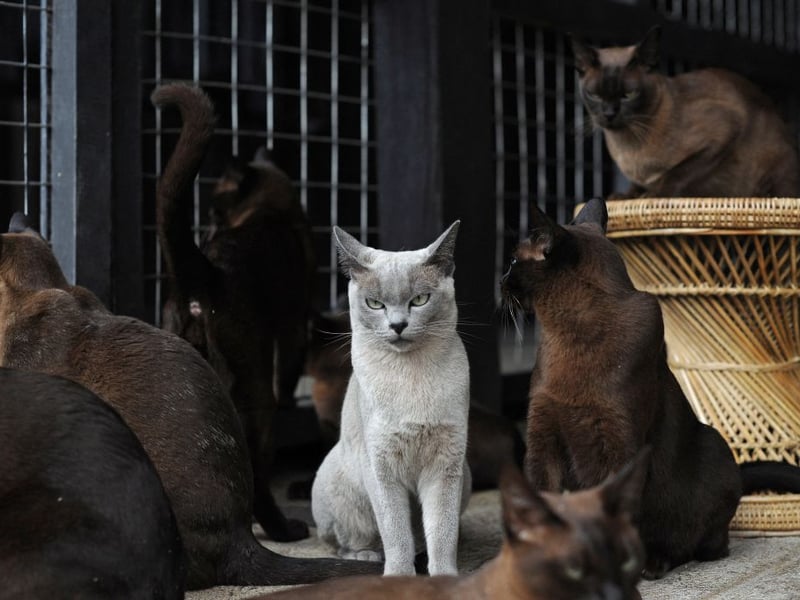
7. Burmese
Burmese cats are known for their muscular bodies and robust health, with a lifespan of 16–20 years. They have minimal genetic health issues and are naturally active, which helps maintain a healthy weight. Burmese cats are social, affectionate, and thrive in human company. | AFP via Getty Images
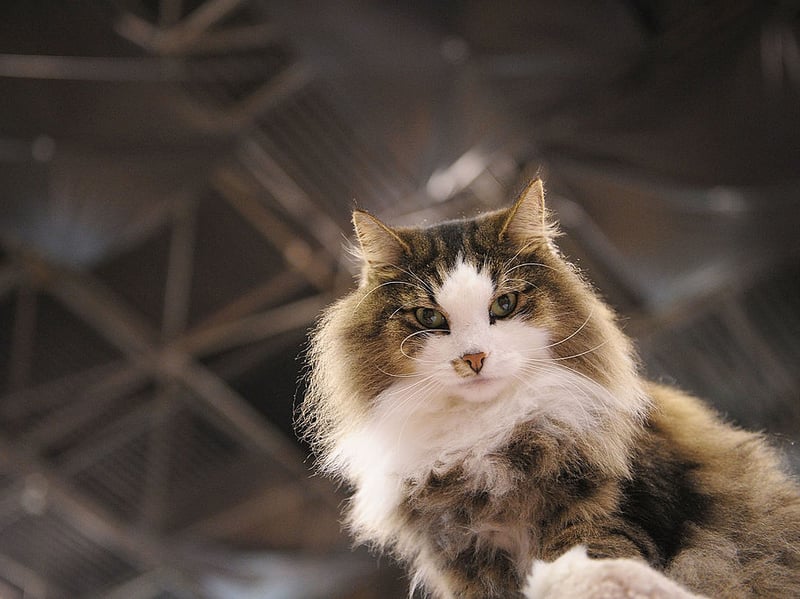
8. Norwegian Forest Cat
Norwegian Forest Cats are naturally hardy due to their origins in the cold climates of Scandinavia. With a lifespan of 14–16 years, they have strong immune systems and are not prone to many hereditary illnesses. | Getty Images