
Exclusive:Celebrity chef Yotam Ottolenghi on why he is opening his first Scottish restaurant in Edinburgh
The famous chef and author is opening Ottolenghi restaurant in Edinburgh, his first outside of London, this autumn. Rosalind Erskine spoke to him about the dishes, his inspirations and the joy of vegetables.
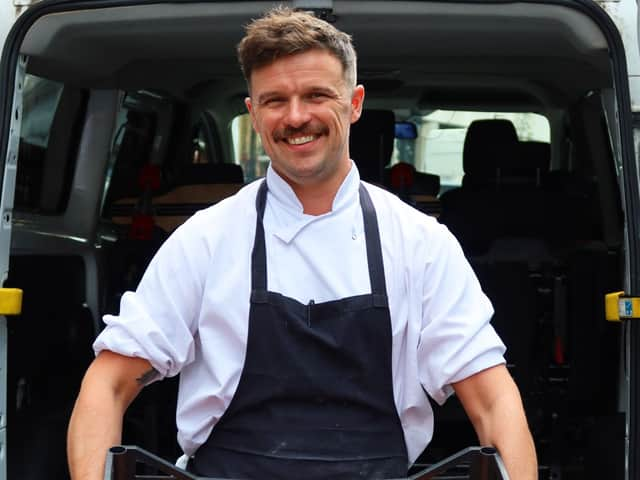
One of the first things Yotam Ottolenghi does at the start of our interview is show me a picture of huge oyster mushrooms his executive head chef, Neil Campbell, has sourced from nearby Laurieston Farm. We then try his specially created Ottolenghi whisky, blended by Woven in their blending lab in Leith. His joy at these local Scottish suppliers, and the ingredients available is palpable, and soon diners will be able to experience this for themselves as Ottolenghi is scheduled to open in Edinburgh at 92 George Street in October.
“I’ve been following Edinburgh and Scotland for quite a while and its flourishing of ingredients and cooking. It has been on the list for a long time (to open in Edinburgh), and Neil Campbell - who is our executive head chef, and who is in charge of the restaurants - he's from here. He grew up here. He's got a very strong connection to Scotland. He's got family here. He worked here in many restaurants over the years, and that connection meant that it felt very natural to do this. It was a combination of wanting to come here anyway, Neil and finding this great spot on George Street that just worked really well.”


There is a longstanding connection to Edinburgh, as Ottolenghi stayed in the city in the early 1990s as part of an exchange programme, as he studied Scottish and English literature.
Ottolenghi, whose first deli in the Notting Hill area of London will turn 25 next year, never set out to be a chef. He grew up in Israel “between different cultures” and moved to London in the late 1990s. He said he got into cooking as he “loved doing it at home,” and after working in different restaurants as a chef, started the Ottolenghi business with partners including Sami Tamimi.
Ottolenghi in Edinburgh will be open for all day dining and have a menu of sharing plates that use Scottish ingredients with Middle Eastern influence and, as he is known for, feature a range of vegetable dishes.
Not a vegetarian himself, he puts vegetables at the forefront as that’s what he was used to. He explained: “When we opened our first deli in London in 2002, we put a lot of emphasis on vegetables because we realised that's what a lot of people wanted to eat, and also because I come from a background where vegetables - and pulses - are at the center of the plate.
“ Growing up in Jerusalem, there was Palestinian food and Jewish immigrant food as well, and they mixed up together in all sorts of interesting ways. Often it wasn’t about meat and fish, it was about vegetables so it was quite a natural way to cook.”
As well as local Scottish vegetables, Ottolenghi and Campbell are working with Scottish fish suppliers, and are excited to have fresh langoustines and seasonal fish on the menu too. Other suppliers include The Free Company, Welch fishmonger, Bare Bones chocolate and Katy Rodgers.
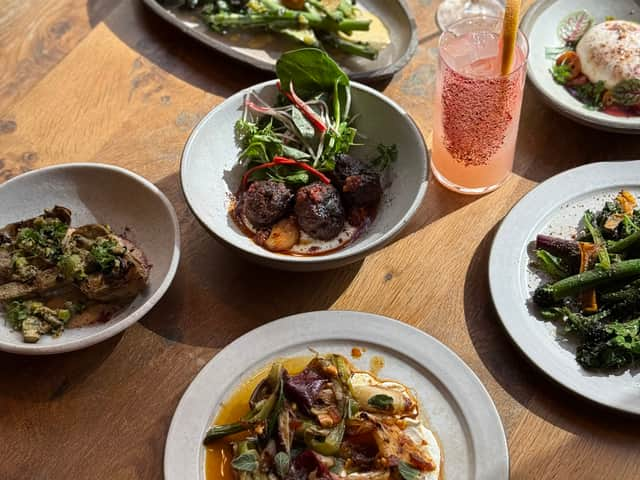
Dishes, whether fish, meat or vegetarian, will have “strong flavours, the layering of flavours, the juxtaposition of spices and herbs against the food, fermentation, things that really kind of amp up the level and the volume when it comes to the food,” he said. “They will tell the story of this connection between us and and the city and Scotland in general.”
Dishes that diners can look forward to in his new restaurant include: An east coast langoustine dish with fermented chili butter. Ottolenghi explained that this dish is inspired by one Campbell’s mother used to make, saying: “We use a lot of chili fermentations, which we've incorporated into the butter. This is a nod to Neil's mum, who used to cook her langoustine and seafood in this particular way.”
There’s oyster mushrooms with a Scottish shoyu soy sauce that has been aged in oak barrels and produced by Slow Sauce in Banchory, which is run by Jonathan Mark Hope who used to work for Ottolenghi in London. There will be miso fudge in the dessert section; salads using local leaves; and black garlic flatbreads served with mezze for diners to enjoy as they start their meal. This spread is a “nod to the Middle East", he said.
Breakfast brings together beloved Ottolenghi classics such as shakshuka or banana bread with tahini and honeycomb, with new Scottish dishes like well-fired morning rolls with scrambled harissa tofu or schmaltz butter and bacon, and a full Scottish breakfast with urfa beans and tattie scones.
One thing unique to Edinburgh will be dishes served in claypots, which “give a sense of home and add to the sharing atmosphere” of the restaurant. A dish that will be in one of these is a lamb and aubergine rice pie with a chopped pickled dill that’s a take on a dish from Ottolenghi’s most recent cook book Simple Too.
“ Something that I love doing is to have a little bit of theatre, a little bit of storytelling in the restaurant. In London, for example, many of our restaurants have the ferments, the ingredients, things on show so you can understand where you're at,” he explained.
“In Edinburgh, we have this advantage of having this really long bar all along the restaurant. The chefs are going to be cooking behind the bar, and those clay pots are going to come out of the oven very visually.”
This fusion of flavours and using Scottish produces has been used in the drinks selection too, and that special Woven whisky. “We had a conversation about them making us a slightly lighter whisky with some spicy notes that would go well with the food. Woven are amazing whisky blenders, and they’re based here in Edinburgh so it felt right. Whenever there is an opportunity to bring in the local connection, we will try hard to do that because it’s the right thing and it immediately shows in the food.”
Bookings are now open for Ottolenghi in Edinburgh. To hear more from our conversation, search Scran wherever you get your podcasts.
Comments
Want to join the conversation? Please or to comment on this article.