


According to the Scottish Environmental Horticulture Growth Strategy there are over one million people in Scotland who are regular gardeners.
From communal tenement gardens to expansive private grounds, we love our borders, rockeries, lawns and patios.
It’s hugely satisfying to see a plant you’ve cared for bloom into beautiful flowers, but you need to be careful what you choose and where you place it.
One thing it’s worth considering is what plants are most likely to attract beeds, butterflies and other pollinators.
These frequently unsung heroes play a crucial role in any garden environment by transferring pollen from one flower to another, enabling plants to reproduce and produce seeds and fruits.
Unfortunately, the UK has lost 97 per cent of its wildflower meadows since the 1930s, equal to the size of 7.5 million acres – that’s an area roughly one and a half times the size of Wales.
To help combat this decline and the impact on pollinators, it’s highly recommended to plant pollinator-friendly plants in the garden. Even a small, untouched patch of wildflowers and long grass can create a valuable mini meadow for wildlife and pollinators, from bees to butterflies.
For example, if all 20 million gardens in the UK had a wildflower space of two metres squared, that would add up to over five thousand football pitches.
Thankfully, many pollinator-friendly plants are easy to grow and maintain, and nearly all are perennials – meaning they come back year after year.
To help out Helen Nyul, Group Head of Biodiversity at David Wilson Homes, has shared some expert advice about the plants most likely to attract these useful creatures to gardens in Scotland.
Here are the top 11.
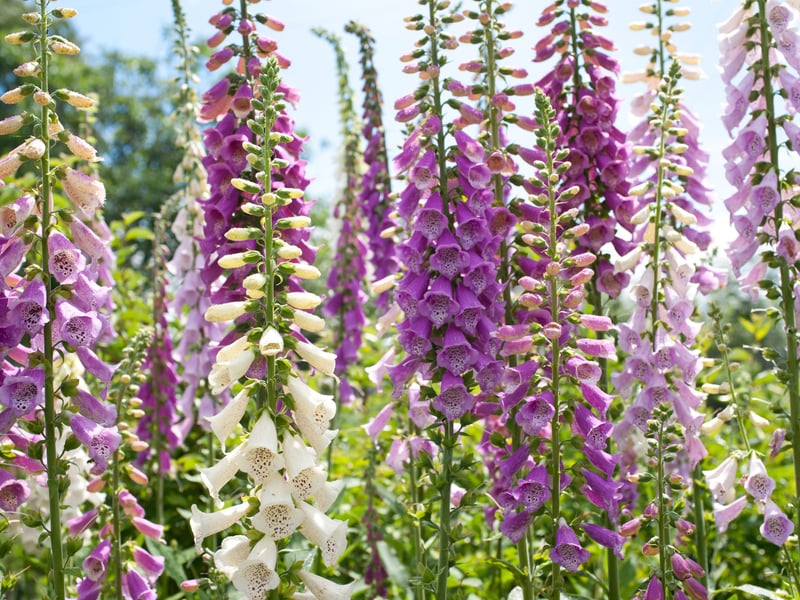
9. Foxglove
Foxglove Digitalis have tall flower spikes with purple, pink and white flowers. Many are ‘biennials’, which means they germinate in year one, form a rosette of leaves and then flower and die in year two. Don’t be alarmed though, you can scatter the thousands of tiny seeds that are left. | Canva/Getty Images
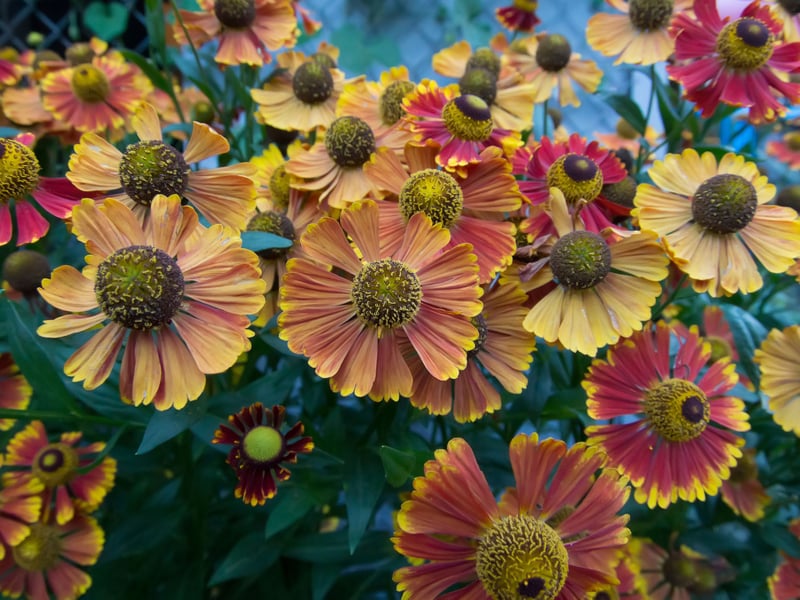
10. Helenium
Helenium flowers are vibrant daisy-like blooms that burst with fiery shades of yellow, orange, and red, making them a striking presence in late summer gardens. Their domed centres are rich with nectar and pollen, drawing in bees by the dozens. | Canva/Getty Images
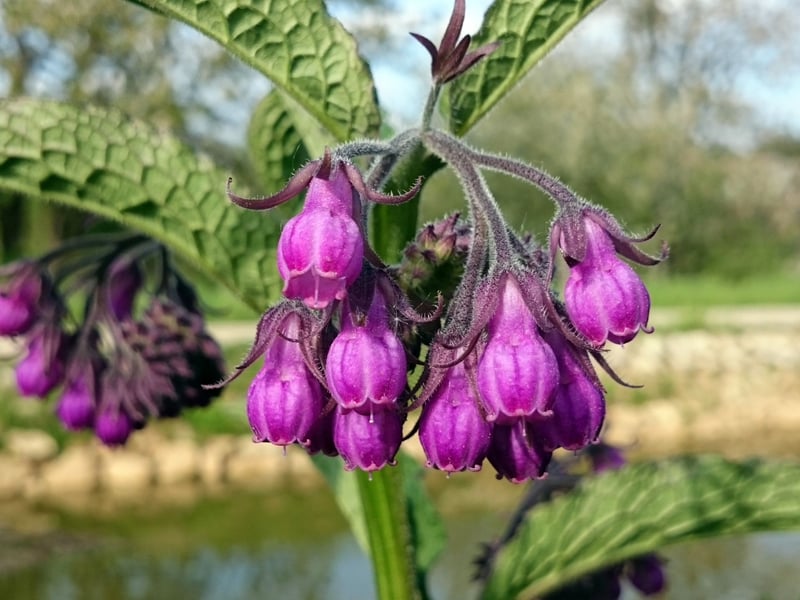
11. Comfrey
Comfrey's tubular purple flowers are rich in nectar, attracting plenty of pollinators. It's a robust perennila that also improves your soil and can be used for organic composting. | Canva/Getty Images