
UK Budget: What Rachel Reeves' Budget means for you and your finances - pensions, fuel, ISAs

From pensions and ISAs to sweet drinks and fuel, here is how the Budget will impact you
Here are five key areas in which the UK Budget announced by Chancellor Rachel Reeves will impact consumers in Scotland.
Pension salary sacrifice
A cap is being put in place on pension salary sacrifice schemes that allow workers to make tax-free pension contributions, impacting hundreds of thousands of people in Scotland.
Under the changes, both the employee and employer would need to pay National Insurance on direct purchases above a £2,000 cap from their net salary, making the scheme less attractive.
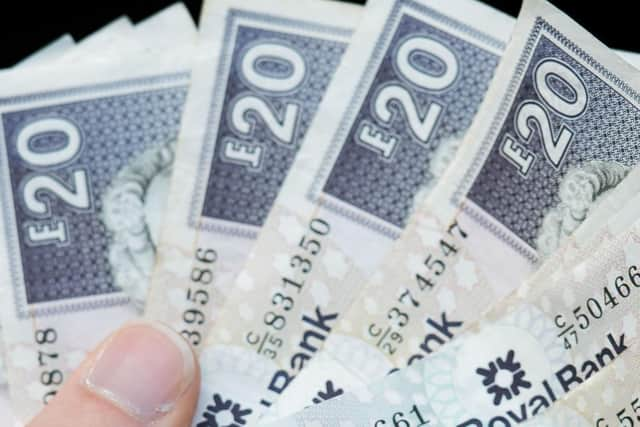

While the Treasury believes the measure, which will come into force in April 2029, will raise billions of pounds, some financial commentators have expressed concern that it could raise their tax burden significantly on some employers, and hinder the ability of younger workers to save for a decent retirement.
Cash ISAs
The latest HM Revenue & Customs statistics show that 35 per cent adults in Scotland have an ISA, the majority of which are cash as opposed to stocks and shares. But under changes announced by Ms Reeves, some £8,000 of the existing £20,000 ISA allowance will be earmarked for investment from 2027.

While those over 65 will be able to retain the full cash allowance, Ms Reeves said the emphasis on stocks and shares would benefit consumers in the long run, pointing out someone who had invested £1,000 in an average stocks and shares ISA every year since 1999 would be £50,000 better off today than if they’d put the same money into a cash ISA.
Electric vehicles
For electric vehicle drivers in Scotland who have enjoyed the relative low cost of running their cars, the Budget brought some unwelcome news in the form of a new mileage tax for EVs, which will apply on top of other road taxes.

The change, which will come into place in April 2028, will amount to three pence per mile for battery electric cars and £0.015 per mile for plug-in hybrid cars, with the rate per mile increasing annually with CPI.
Fuel duty
The freeze on fuel duty, which has been in place since 2011, is set to continue until September 2026. But the Office for Budget Responsibility document that leaked before the Budget reveals that from soon afterwards, it will be “reversed through a staggered approach”.
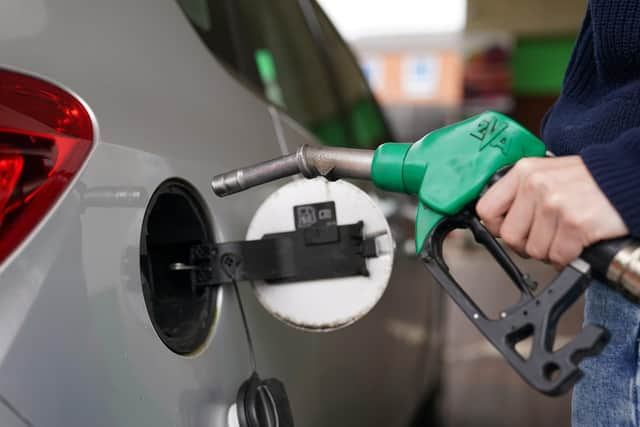
The effective rate paid by drivers since 2022 has been 52.95p as a result of a ‘temporary’ five pence cut introduced by the Conservatives and extended by Labour. But from April 2027, rates will increase annually by the RPI measure of inflation, according to the OBR document.
Milkshake tax
In a shake-up to the existing sugar tax announced ahead of the Budget, the levy will be applied to bottles and cartons of milk-based beverages, including milkshakes, lattes and flavoured milk. The repercussions could mean these products cost more, but if manufacturers take steps to lower their sugar content, they could avoid the additional tax.
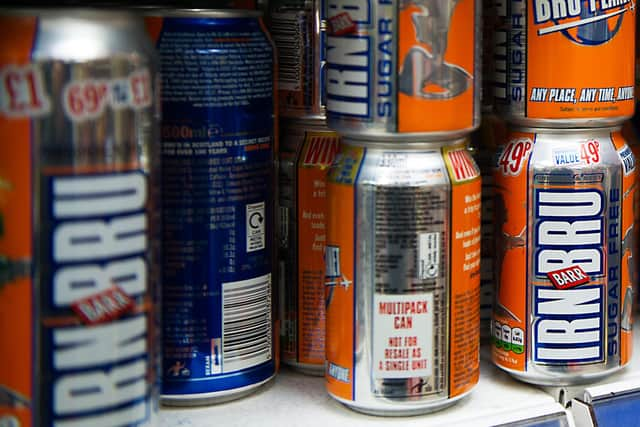
But given the changes will lower the threshold of the amount sugar per 100ml in drinks from five grams per 100ml to 4.5g, Scotland’s other national drink, Irn-Bru, stands to be hit. This means its manufacturer, AG Barr, will have to weigh up more potential changes to its famous formula before the new rate comes into force in 2028.
Comments
Want to join the conversation? Please or to comment on this article.