
Rape convictions reach record high but charity warns further progress needed

Government hails ‘all time’ in conviction numbers
Convictions for rape and domestic abuse have reached an all-time high in Scotland, but a leading charity has warned that survivors of rape still faced “enormous barriers” to justice, with record levels of sexual violence.
Newly published statistics from the Scottish Government show that the number of convictions for rape and attempted rape increased by 19 per cent from 186 in 2022/23 to 221 in 2023/24, a new all-time high amongst comparable records which began in 1989/90.
Convictions for crimes under the Domestic Abuse (Scotland) Act 2018 also rose by 19 per cent from 756 in 2022/23 to 897 in 2023/24, which the government said was “a new all-time high since the act’s introduction.”


There was also a surge in convictions for sexual assault, which were up 15 per cent year on year, a trend the government said was the “highest total” since comparable records began.
However, the criminal proceedings in Scotland statistics also show that rape and attempted rape had the highest aquital rate of any crime, with 38 per cent of people facing proceedings acquitted. Nearly one in three (30 per cent) ot those facing sexual assault charges were also acquitted.
The number of people convicted of a crime with a statutory domestic abuse aggravation fell by four per cent to 7,936 in the same time, according to the figures published by Ally McAlpine, Scotland’s chief statistician.
Sandy Brindley, chief executive of Rape Crisis Scotland, said: “These figures represent a significant step in the right direction for survivors of rape and sexual violence, with a rise in convictions and an increase in the number of cases making it as far as court.
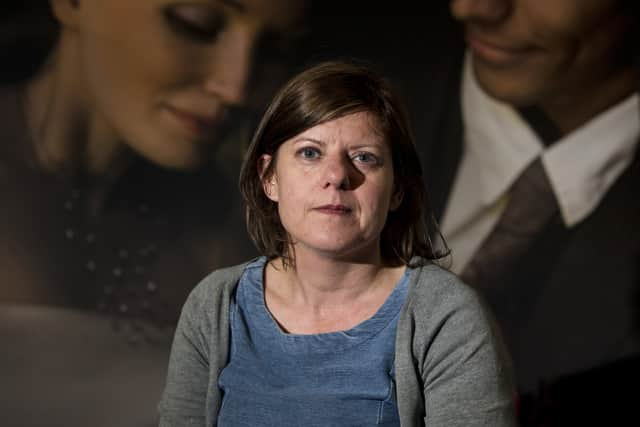
“However, we are seeing record levels of sexual violence in Scotland, and survivors of rape still face enormous barriers to justice. Even after today, the conviction rate for rape and attempted rape - closely followed by convictions for sexual assault - remain the lowest of any crime type. Many survivors are forced to live in limbo for years as they wait to navigate the courts system in the hope of seeing justice.
She added: “While these figures mark an important step forward, we need to keep going. They should highlight how long it’s taken us to get this far and serve as an important reminder of just how much further there is to go.”
Overall, the total number of prosecutions in Scotland last year decreased by seven per cent to 73,224. Of these, 63,486 were convicted with at least one charge - also a decrease of seven per cent.
The Scottish Government said the overall decrease masked an increase in prosecutions for more serious offending that is “generally more complex and takes longer to conclude in court.”
It added that due to the impact of the pandemic, “2020/21 onwards should not be considered indicative of longer-term trends.”
Between 2022/23 and 2023/24, there was a 14 per cent fall in conditions classified as offences, which are generally less serious.
At the same time, those classified as crimes, which are generally more serious, increased by a percentage point. This includes convictions for non-sexual crimes of violence, which rose four per cent, and sexual crimes, up 12 per cent.