
Exclusive:SNP's 'delusional climate gamble' as carbon capture failure risks tearing hole in net zero plan

SNP ministers expect technologies such as carbon capture to clean up one third of climate pollution in Scotland.
SNP ministers are under fire for a “delusional climate gamble” raising questions about their already watered-down net zero blueprint after a partner pulled out of a flagship energy project.
Storegga announced it will sell its stake in the Acorn carbon capture and storage project at Peterhead, putting the plan which has been beset with funding delays for more than a decade, in doubt.
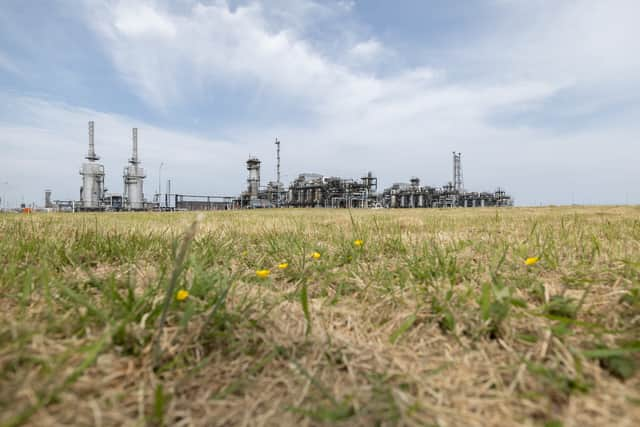

Shell, which last month pulled out of a flagship ScotWind renewables project, also withdraw its support from the Northern Endurance Partnership carbon capture project in England in 2023. It alongside Harbour Energy, which has shed hundreds of North Sea jobs in the last year, and North Sea Midstream Partners, are the remaining backers of the Acorn project.
Shell declined to comment when approached by The Scotsman.
The Scottish Government has been embroiled in a row with Westminster for years over funding for the Acorn project, before UK Energy Secretary Ed Miliband confirmed in June that it will receive backing. A final investment decision is still to be taken and Storegga pulling out of the project will put that decision at risk.
But fears have been raised over SNP ministers’ over-reliance on carbon capture technology, unproven at commercial scale, in its legal strategy to cut emissions up to 2040.
Analysis shows that the Scottish Government’s draft climate plan, published last month, suggests that so-called negative emissions technologies (NETs) such as carbon capture will reduce pollution by 12.2MT of carbon dioxide by 2040. In 2023, Scotland’s total climate pollution was 39.6 MT of carbon dioxide, meaning around one third of all emissions in 15 years is expected to be dealt with by the innovation.

Scottish Government documents also state that “all costs from NETs are expected to fall on government”.
The UK government has backed the Acorn project with £200m, while SNP ministers have earmarked £80m for the proposals.
If the Acorn project does stall, it could also put SSE’s plans for a gas-burning power station in Peterhead at risk of failing to be approved by SNP ministers due to the developers insisting the pollution would be captured and stored.
Friends of the Earth Scotland’s oil and gas campaigns manager, Rosie Hampton, said: “It looks like Scottish ministers’ enormous climate gamble with carbon capture is already a losing one.
READ MORE: Acorn carbon capture: Crunch talks as Scotland wind farm chiefs poised to wrestle over seabed
“It is frankly delusional to think that carbon capture technology, which has no working plant, no planning application and now without its key backer can deliver the level of emissions cuts required in Scotland within a decade.“
She added: “Ministers have been repeatedly warned about over-reliance on this technology, and urged to come up with a plan B, but instead they have chosen to double down on their implausible plan A.
“A credible climate plan must deliver climate solutions that we know will work today and improve people’s lives, upgrading public transport, insulating homes and creating green jobs in credible industries with a secure future.”
Scottish Conservative energy spokesperson, Douglas Lumsden, said: “The SNP pinned their hopes on this carbon capture project, only to never stump up the support required for it to deliver.
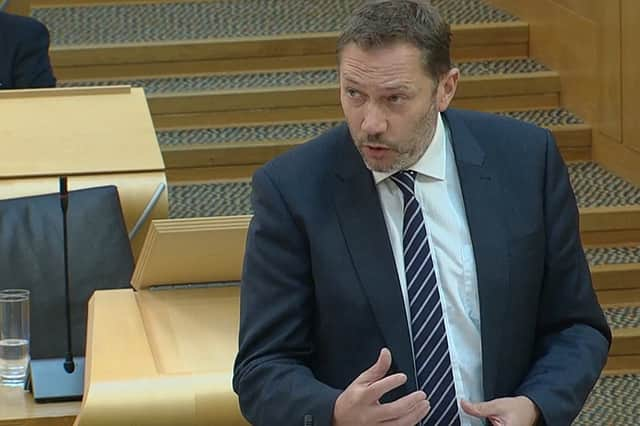
“Now it stands on the verge of collapse because arrogant nationalist ministers have failed to recognise the devastating knock-on effects across the energy sector of shutting down the oil and gas industry.”
He added: “Their failure to have a balanced energy policy is leaving the SNP’s unrealistic net zero ambitions in tatters.
“Ordinary Scots will continue to pay a heavy price for both the SNP and Labour governments turning their backs on the oil and gas industry, with hundreds of jobs being lost every fortnight.”
The Scottish Government was approached for comment.
Comments
Want to join the conversation? Please or to comment on this article.