
Shell hands back ScotWind lease risking £3bn of Scottish investment amid 'fierce headwinds'

Shell has given a 3GW floating wind lease back to Crown Estate Scotland after reportedly failing to sell it on to another renewables developer
The SNP government’s flagship renewables boom has been dealt a blow after Shell handed back its lease of a key offshore wind development to Crown Estate Scotland - putting more than £3 billion of Scottish-based investment at risk.
The company has returned the entire 3GW CampionWind floating wind lease to the public body after a share swap with Scottish Power, while Shell has also handed its 50 per cent stake of the 3GW MarionWind development to Scottish Power which now has full control of that proposal.
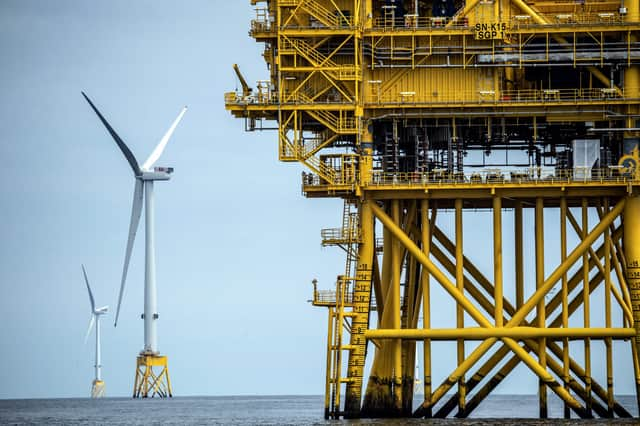

The decision comes as the Scottish Renewables trade body warns the sector faces “fierce headwinds”, with Nigel Farage’s Reform UK and the Conservatives pushing back against renewables and net zero investment.
Shell ditching its ScotWind lease comes after Danish energy giant Ørsted withdrew from the Hornsea 4 project in England in May - pointing to increased supply chain costs, interest rates and risk to construct and operate the development on the planned timeline.
The move from Shell, which comes after a “comprehensive review” puts one of the Scottish Government’s flagship ScotWind projects at risk if no other companies come forward to take on the lease. It is understood Shell failed in an attempt to sell its ScotWind shares to other renewables players.
The proposed CampionWind development, 100km off the Aberdeenshire coast, committed to bringing in almost £3.2bn of investment to Scotland, with another £950m pledged across the rest of the UK. An extra £3.7bn of investment was expected to come from overseas for the project.
The Scottish Government has previously been accused of allowing the ScotWind leases to be handed over to companies on the cheap with less than £700m tallied up for the projects. Shell paid around £86m for its projects, the biggest total of any company.
READ MORE: Renewables and oil and gas chiefs unite to pile pressure on Chancellor amid 'investment headwinds'
But the fossil fuel giant, which is a key stakeholder in Scotland’s Acorn carbon capture project in Peterhead, has appeared to shift its focus from renewables back to oil and gas under CEO Wael Sawan.
A Shell spokesperson said: “After a comprehensive review and in line with Shell’s previously announced refocusing of its power strategy on leveraging Shell’s strengths in trading and retailing, the conclusion was to not take the CampionWind project forward.”
A spokesman for Crown Estate Scotland said that companies moving to “alter ownership structures” was “a normal feature of offshore wind development”.
He added: “Crown Estate Scotland will assess options for the site, in line with market demand and best value for Scotland.”
Colin Palmer, director of offshore at Scottish Renewables, said: “Since ScotWind was announced in 2022, we have seen strong progress as projects move through the complex development process. Major investment has also flowed into our supply chain as we prepare for deployment.
“Amidst fierce headwinds, some attrition is not wholly unexpected as developers with different priorities respond to commercial pressures. However, Scotland continues to have a globally attractive offshore wind pipeline which will underpin our energy security and economic prosperity.”
Scottish Labour net zero spokesperson, Sarah Boyack, said: “This is worrying news that raises yet more questions about the SNP’s management of the ScotWind contracts.

“ScotWind has been beset by issues, with the SNP selling the seabeds off on the cheap in the beginning, squandering the revenue raised plugging their budget gaps, and now letting major contracts collapse.”
A Scottish Government spokesperson said: “The renewable energy sector is already boosting Scotland’s economy, creating significant opportunities and delivering jobs.
“We are leading the way in the floating wind sector but have ambitions to go further and take full advantage of the economic opportunities Scotland’s natural resources and technical expertise provide us with.”
Comments
Want to join the conversation? Please or to comment on this article.