
Scottish Government urged to copy UK Budget business rate relief as firms face "soaring" overheads
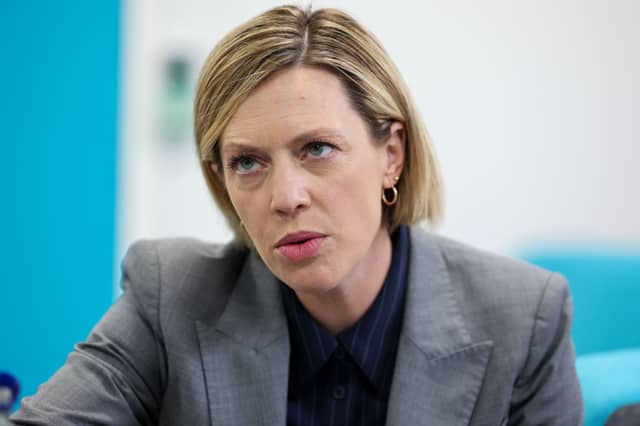

Chancellor John Healey announced on Wednesday that the threshold for small business rate relief for retail, hospitality and leisure businesses in England would be increased from £12,000 to £18,000.
The Scottish Government has been urged to “cut the cost of doing business” to put firms on a “level playing field” with England.
As the Chancellor announced rates relief for businesses south of the border this week, trade associations warned firms here are being crippled by “soaring” overheads with 83 per cent noticing a hike in the last quarter alone.
The SNP Government must copy the UK Government support when it sets its budget in December, they say, with the Scottish Retail Consortium (SRC) calling for the current retail, hospitality and leisure relief to be extended to medium-sized and larger firms.
The Federation of Small Businesses (FSB) Scotland has urged the Scottish Government to use its extra £600m “to cut the cost of doing business in Scotland.” It suggested “restoring the Small Business Bonus Scheme qualifying thresholds to their pre-2023 levels”.
Chancellor John Healey announced on Wednesday that the threshold for small business rate relief for retail, hospitality and leisure businesses in England would be increased from £12,000 to £18,000.
Mr Healey said his announcement would result in 70,000 businesses in England being taken out of paying rates altogether “meaning half of our shops, restaurants and gyms will now pay no business rates at all”.
In Scotland, business have full relief for up to £12,000. Relief then scales up for a combined rateable value of up to £35,000.
In 2023, the threshold for 100 per cent single-property business rates relief in Scotland changed from a rateable value of £15,000 down to £12,000.
FSB Scotland Chair Guy Hinks said increasing costs meant it should return to how it was four years ago, and that the extra money given to the Scottish Government in the Budget should cover this.
Read more: Boring John Healey succeeds in making UK Budget low key - and not annoying too many people
He said: “If the Scottish Government is to deliver economic growth, then it must use this opportunity to invest in small firms and put Scotland’s local economies and communities on a firmer footing.
“As a result of decisions taken in the Budget, the Scottish Government will receive spending consequentials in the region of £600m.
“Small businesses’ overheads have been soaring for years, with 83 per cent in Scotland noticing a hike in the last quarter alone. Nearly four in ten report these increases are in double digits.
“It’s therefore essential that this extra funding is used to cut the cost of doing business in Scotland. This puts all eyes on the Scottish Government Budget in December.
“That is an ideal opportunity to, for example, heed our calls to restore the Small Business Bonus Scheme qualifying thresholds to their pre-2023 levels, thereby protecting more of the firms the scheme was designed to support.”
Scottish Retail Consortium director David Lonsdale urged the Scottish Government to introduce relief for bigger shops so that it is “at least as competitive as England’s”.
He said: “We’ve long supported the Scottish Government’s existing business rates relief scheme for the very smallest shops.
“However, medium-sized and larger stores in Scotland pay a business rate above that in England, in some cases considerably above, and we need to see a level playing field restored.
“That’s why our priority is that the existing retail, hospitality and leisure sectors rates relief is extended to larger stores and frozen in the upcoming Scottish Budget, as a first step towards making the business rate for all sizes of stores at least as competitive as England’s.”
The UK Government also raised the national minimum wage by 3.9 per cent in the Budget. Some 2.3 million people across the UK are affected, as the minimum wage applies in England, Scotland, Wales and Northern Ireland.
The minimum wage for workers aged 21 and over is currently £12.71 an hour and this will rise to £13.21, while the rate for workers aged 18 to 20 will go up from £10.85 an hour to £11.27.
But it opted against a larger increase for younger workers in light of the rising number of unemployed under 21-year-olds due to labour costs. The gap between workers over and under 21 had been narrowing in recent years, and in April this year the minimum wage for young workers rose by 8.5 per cent.
The Scottish Grocers’ Federation had already urged the SNP Government to follow suit on business rates, but criticised the minimum wage increase.
SGF Chief Executive, Dr Pete Cheema OBE, said: “Many Scottish retailers are already operating at a commercial disadvantage to counterparts south of the border.
“With historically higher poundage than elsewhere in the UK, and missing out on significant reliefs available to businesses in England and Wales in recent years - that were never passed on to Scottish retailers. Conversely, support available through the SBBS has declined year on year, as more businesses are raised out of the scheme and thresholds remain stagnant.
“The Scottish Government now has the opportunity to right that wrong and provide much needed support for local shops that are at the heart of their communities. By fully passing on the additional reliefs announced today.”
On the minimum wage, he said: “The minimum wage has almost doubled in the past decade, and businesses can no longer absorb further rises to the cost of employment. The announcement today means fewer local jobs, and a squeeze on stores that are already struggling to make ends meet. That is why we are calling for a long-term measured approach to future increases.”
The Scottish Government claimed that the UK Budget cut its funding by £650m in 2027-28.
The Scottish Budget takes place on Thursday, December 3.
A Scottish Government spokesperson said: “The Scottish Government is providing a package of reliefs worth in excess of an estimated £870 million in 2026-27 and almost all - 96 per cent - of retail, hospitality and leisure businesses in Scotland can benefit from some form of rates relief.
“Decisions will be set in the Scottish Budget in the usual manner and the Deputy First Minister has already committed to a comprehensive review of non-domestic rates.”
Comments
Want to join the conversation? Please or to comment on this article.