
The botched cosmetic procedures in Scotland - and the government's moves against rogue practitioners

The Scottish Government is working to pass new laws to regulate the boom aesthetics industry
One Scottish woman has been left unable to drive ever again after a botched Botox injection severely damaged her sight.Another had to seek medical treatment after being injected with water instead of Botox by a hairdresser in a shed.
And another was left with threads sticking out of her head and chest after a cosmetic procedure went wrong.
These are just some of the examples of the rogue treatments happening in unregulated premises by unqualified people all over Scotland.


Advice Direct Scotland told Scotland on Sunday it has received over 430 complaints in the past two years from women who have been left scarred by cosmetic procedures gone wrong, sometimes for life.
Rebecca Fagan, a benefit and welfare policy executive at Advice Direct Scotland, said: “Almost 100 per cent of the cases we get are reports from women who have been affected by some form of botched Botox or filler, but we do also see issues with procedures like dermaplaning and microneedling.
“The vast majority of complaints include quite significant harm.
“One of the most recent cases was a customer who went to someone who was previously a hairdresser for Botox and filler treatment.
“The treatments were carried out in a shed in the person’s back garden that didn’t have any sort of electricity or waterproofing.
“She subsequently found out that it hadn’t been Botox or filler that was used at all - it was actually water.
“When she then went to a medical professional, they were able to tell her that was the issue and she had to get her face drained and ended up with quite significant side effects.
“We’ve also had cases in the past where people have had dermal filler injected into the cheeks or Botox in their heads and it’s been done too close to the nerves around the eyes which has caused issues with their sight.
“We had one customer who was unable to drive ever again after having the treatment done because it affected their vision so badly.
“Another had a threading treatment where threads are hooked in needles under the skin and the skin is pulled back - she had threads left poking out of her chest and head and she had to get medical treatment to resolve that issue.
“Another had Botox carried out near her eye and was left extremely unwell with vomiting and a lot of fluid in her face.
“That was a very recent case so we don’t know the long-term implications for this customer.”
Ms Fagan said others get in touch because they are not happy with the aesthetic outcome of their treatment.
“I would argue that is still harmful because it does often preclude them from their social lives and going to work,” she said.
“They feel quite embarrassed if they’ve had the treatment that they’re not happy with the results of or if it's caused extreme swelling for a long period of time.
“We do get more extreme end examples of where people have really serious harm that affects them sometimes for the rest of their lives.”
Almost half of the cases Ms Fagan and her team deal with report physical harm as a result of the treatment.
However the Scottish Government is hoping to clamp down on this by bringing in licensing, regulation and new offences.
On Thursday its Non-surgical Procedures and Functions of Medical Reviewers (Scotland) Bill passed unanimously at stage one.
Currently in Scotland there is no regulation for these types of procedures, which means they are carried out by a mix of healthcare professionals and beauty therapists. This can lead to some carrying out the treatments despite having no formal training and using unsuitable or unlicensed products.
The bill covers procedures such as ablative laser treatments, cellulite subcision, chemical peels, dermal microcoring, injectables such as dermal fillers, intravenous procedures, thread lifts and microneedling.
If this bill is made into law, it would mean these treatments could only be carried out by qualified medical professionals such as doctors, nurses, midwives or pharmacists.
Unregistered practitioners would only be able to carry out one of these treatments if the premise is managed by a registered professional.
They could also only take place in a Healthcare Improvement Scotland registered premise, such as a dental surgery, GP practice, or registered independent clinic or hospital.
Private homes and unregistered beauty salons would not be covered.
It would also make it an offence to carry out non-surgical procedures to anyone under the age of 18 and introduce fines of up to £5,000 for anyone caught breaking the law.
Ms Fagan said: “There are many ethical practitioners carrying out these treatments who are registered and are up-to-date with the right standards.
“But this bill will make sure Scotland is pulled into line with the rest of the UK.”
Scotland on Sunday spoke to Public Health Minister Jenni Minto, the government minister responsible for this bill, just after the stage one vote in Holyrood.
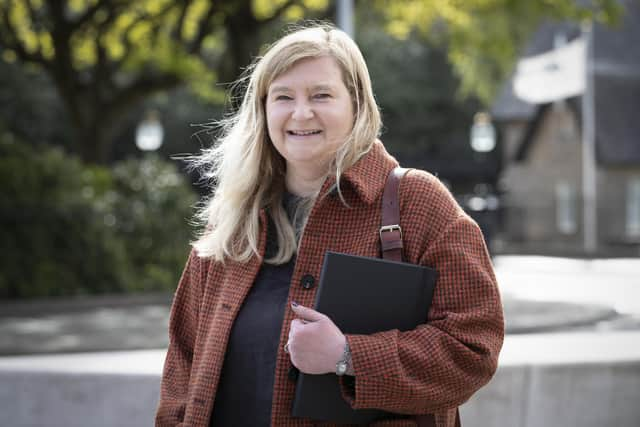
She said: “I’m very pleased and I think it was a good example of the Scottish Parliament working well.
“The aim of the bill is to ensure that anyone who is getting these procedures can be assured that they are getting them in the safest way possible by having regulation and healthcare support.
“I’m also pleased at the number of MSPs who raised the point about public awareness, because there’s only so much the government can do.
“If we can get people to understand the risks of getting some of these procedures and the very bad outcomes they can have, it makes it clear why we need this legislation.”
She added: “It is absolutely clear we need to ensure these procedures are as safe as they can be and we have taken advice and listened to healthcare professionals and others.”
Ms Minto believes these sorts of treatments have become normalised due to social media.
The bill will now progress to stage two.
It has also been welcomed by the British Association of Medical Aesthetic Nurses, who say people in Scotland have been left exposed to avoidable harm for too long.
Gareth Lewis, chief operating officer at the association, said: “This is a strong and welcome move by the Scottish Government.
“It puts patient safety where it belongs - at the centre.
“Regulation will help the public identify safe practitioners, and it will drive out the poor practice that damages patients and undermines confidence across the sector.
“Medical aesthetic nurses already work within robust clinical governance - this bill is an opportunity to raise standards across the board and protect patients consistently, wherever they seek treatments.”
Comments
Want to join the conversation? Please or to comment on this article.