
Scotland must change the narrative on cosmetic treatments - and stop youth coming from England for Botox
MSPs cannot let a bill aimed at tackling unregulated cosmetic procedures fall to the wayside.

Scotland can boast of many things - including being the “worst country in Europe” for unqualified beauticians injecting customers with Botox and fillers.
It is hardly a title worth celebrating, but the Scottish Government is hoping to change that.
At the end of the week a public consultation on the Non-surgical Procedures and Functions of Medical Reviewers (Scotland) Bill closed.
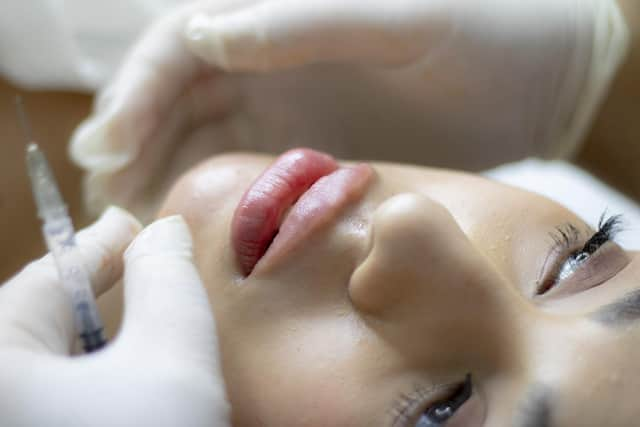

This legislation will make it illegal to carry out certain procedures to under-18s and limit who can do them. The Bill covers all cosmetic procedures that pierce or penetrate the skin, such as dermal filler injections and chemical peels.
There is good reason for this - complications can include infections, blocked arteries, necrosis, blindness and stroke.
For example, dermal fillers can block the blood supply to the skin and cause “skin death”. If this happens at a medical clinic, you can immediately get medication to dissolve the filler.
But what happens if someone who is not medically qualified does the procedure? They cannot hand out prescriptions when things go wrong.
There are about 500 independent clinics registered with Healthcare Improvement Scotland. But papers lodged with this Bill estimate there are up to 1,500 unregulated businesses operating across the country.
There is another issue at play here. In 2021 it became illegal for under-18s to have filler or Botox in England, meaning young people are crossing the border into Scotland for filler treatments.
Young people are often turning to cosmetic procedures because of social media pressure. Healthcare professionals have said people in the UK are coming to harm because there is no legislation to prevent social media advertising.
The Nuffield Council on Bioethics has also condemned makeover apps and online plastic surgery games aimed at children as young as nine, contributing to growing anxieties around body image.
So as well as making things safer for the thousands of Scots who get cosmetic treatments, the government also has an opportunity here to change the narrative on body image for women and girls.
It sometimes feels like things have gotten better since the toxic body image messaging in the 2000s - just look at TV shows like America’s Next Top Model, 10 Years Younger and Snog Marry Avoid.
Other times, not so much, especially on social media. I see constant posts about exactly what is the right way for women to look, and a lot of this is fuelled by cosmetic procedures.
Every year when Love Island comes around, the media pores over what treatments and procedures each contestant has undergone.

A few years ago Nikita Jasmine, who has undergone several procedures, was on Married at First Sight UK and said she would “be ill” if the groom she was paired with had thin lips.
This is not to criticise her for the procedures she has undergone, but to point out she is a product of the body image messaging all of us, including those of us in the media, are facilitating.
So as well as making things safer and better regulated, government ministers should also use this Bill as a chance to boost body positivity for all and normalise natural looking bodies.
Ministers cannot let this Bill fall victim to the cramped timetable ahead of the 2026 Holyrood election - MSPs must make sure this remains a priority for the good of public health.
Comments
Want to join the conversation? Please or to comment on this article.