
Exclusive:SNP urged to cut tax for talented overseas workers to 'attract skills and investment'

SNP ministers have been told to realign income tax thresholds with the rest of the UK.
SNP Finance Secretary Shona Robison has been urged to oftter talented overseas workers lower rates of income tax to “attract skills and investment”.
The Scottish Government should also increase tax thresholds, targeted for lower earners, to “begin the long-overdue process of realignment with the rest of the UK”, a leading financial expert has suggested.
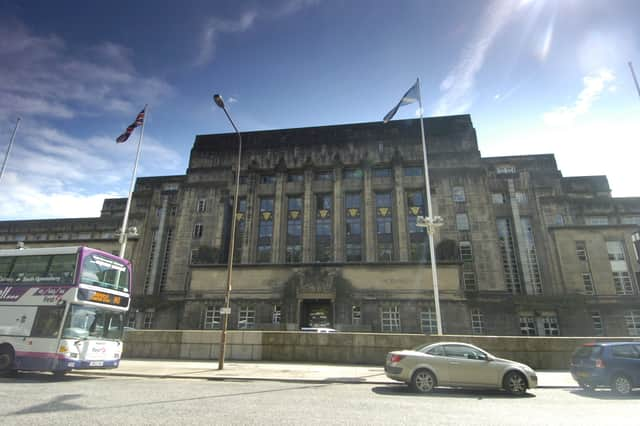

The proposals from Sandy Begbie, the chief executive of Scottish Financial Enterprise, come ahead of Ms Robison’s draft Scottish budget being published next month.
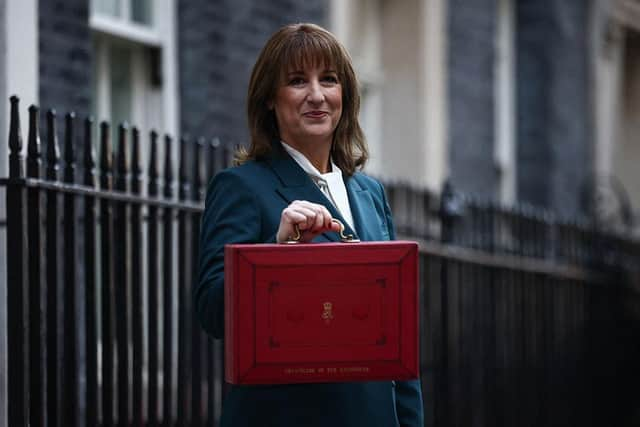
The Scottish Government has a crunch decision to make over income tax rates, devolved to the Scottish Parliament, after Labour Chancellor Rachel Reeves decided to freeze income tax and National Insurance in her autumn Budget for a further three years up until April 2031 south of the Border. The move will drag millions of people into paying more tax.
In Scotland, those who earn little over £33,000 a year pay more tax than the rest of the UK, while those on the lowest incomes pay marginally less. SNP ministers have suggested they will not increase income tax rates before May’s Holyrood election.
Mr Begbie has stressed that “both the UK and Scottish governments have said repeatedly that growing the economy is their overriding mission”.
But he warned that “investors do not respond to warm words”.
He added: “They respond to clear signals and credible action. What governments choose to do matters far more than what they say.”

Mr Begbie said: “At Scotland’s Global Investment Summit in October, I noted that three events would define investor sentiment towards our economy: the UK government budget, the Scottish Government budget and May’s devolved elections.”
He suggested that Ms Reeves Budget “was not an encouraging start”.
Mr Begbie said: “The UK budget did nothing to unlock investment or accelerate growth.
“Even the Office of Budget Responsibility (OBR) has said that this Budget will do nothing material to improve and deliver economic growth.
“Politics and vested interests were placed ahead of long-term economic strategy, and weeks of briefing damaged confidence at the very moment it needed to be rebuilt.
“The result was a budget that deepened uncertainty rather than dispelled it, while decisions around taxation – not least to continue with the punitive Energy Profits Levy – will further dampen investment across Scotland.”
The business expert, who previously led the development of the Scottish Government’s young person’s guarantee during Nicola Sturgeon’s administration, warned that “both governments need to accept you cannot tax your way to growth”.
Turning his attention to Ms Robison’s budget decisions, Mr Begbie said: “It now falls to the Scottish Government to choose a different path.”
He set out that the SNP government, when it publishes its draft budget on January 13, has “the chance to prove growth is their top priority”.
READ MORE: John Swinney keeping election focus on independence and energy will be fatal for Anas Sarwar
Mr Begbie said: “Scotland cannot afford another budget shaped by vested interests or short-term politics.
“We need one that focuses squarely on the economy and the people and businesses who power it.”
The business expert pointed to “practical steps available” to SNP ministers.
He said: “Increasing tax thresholds, particularly at the lower bands, would begin the long-overdue process of realignment with the rest of the UK and removing a barrier to the attraction of talent.

“And exploring differentiated income tax rates for internationally mobile talent would send an important signal that Scotland is competing to attract skills and investment.”
Mr Begbie stressed that “it is vital Scotland increases its tax base with well paid, good jobs in key sectors rather than increasing its tax take from the existing small tax base”.
He added: “Governments also need to work with the private sector to crowd in much needed capital for large infrastructure investments.
“Freezing rail fares would support workers during a fragile recovery. Providing targeted relief for sectors such as retail, hospitality and tourism would help safeguard jobs.”
The expert suggested that his proposals “would show investors that Scotland recognises the need to create a competitive, predictable environment” and “would help restore confidence at a time when confidence itself is an increasingly scarce economic asset”.
He added: “The Scottish Government now has a pivotal opportunity to set Scotland on a clearer, more confident course.
“On January 13, it must show that it will put the economy first. If it chooses growth, the benefits will be felt not just by business and industry, but across every community in Scotland.”
A spokesman for the Scottish Government said: “Decisions on non-domestic rates for 2026/27 will be set out in the Scottish Budget in January.
“Economic growth is at the heart of the Scottish Government’s agenda and we will continue to work closely with business to pursue investment, build export potential, and capitalise on Scottish innovation. We are making progress, as shown by the CBI report showing business investment at a 20-year high in Scotland, whilst it falls in the rest of the UK.”
Comments
Want to join the conversation? Please or to comment on this article.