
Why Labour must act over democratic scandal of 750,000 people robbed of their vote
Keir Starmer’s plans to allow bank cards to be used as voter ID, introduce automatic voter registration and lower the voting age to 16 have one thing in common: they are designed to increase the number of people able to exercise their democratic rights


After the requirement for people to have photographic identification in order to vote was first put to the test in local council elections in England in 2023, the then Conservative MP Jacob Rees-Mogg lambasted his own government in no uncertain terms.
“Parties that try and gerrymander end up finding their clever scheme comes back to bite them – as dare I say we found by insisting on voter ID for elections,” he told the National Conservatism conference. “We found the people who didn’t have ID were elderly and they by and large voted Conservative, so we made it hard for our own voters and we upset a system that worked perfectly well.”
Some had believed voter ID – apparently introduced to address the extremely rare problem of people voting fraudulently in someone else’s name – would reduce the number of poor people able to vote and disproportionately affect Labour. However, regardless of which party suffered the most, it’s crystal clear that it prevented vast numbers of people from exercising their democratic rights.
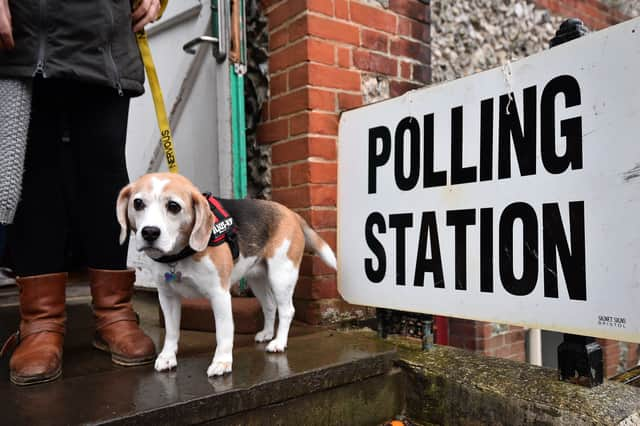
According to the Electoral Commission, around 750,000 people were unable to vote at the last general election because of a lack of ID. Something needed to be done and the government has now announced a number of proposals.
These include increasing the number of acceptable forms to include bank cards and automated voter registration, already used in Canada and Australia. The government will also press ahead with its manifesto commitment to reduce the voting age to 16.
According to Keir Starmer, 16-year-olds are old enough to pay tax, so should have a say in how it’s spent – ie, no taxation without representation. Conservative shadow communities minister Paul Holmes pointed out that 16-year-olds are unable to buy a lottery ticket or alcohol or “even stand in the elections they're voting in”.
However, Scotland’s experience of lowering the voting age has been largely uncontroversial and, in cynical times, an injection of youthful enthusiasm would do no harm. The important point is that these changes will all increase the number of people able to vote.
Politicians of all parties should agree that sinister ‘voter suppression’ tactics have no place in a true democracy.
Comments
Want to join the conversation? Please or to comment on this article.