
Domestic abuse charity nears ‘breaking point’ over funding crisis
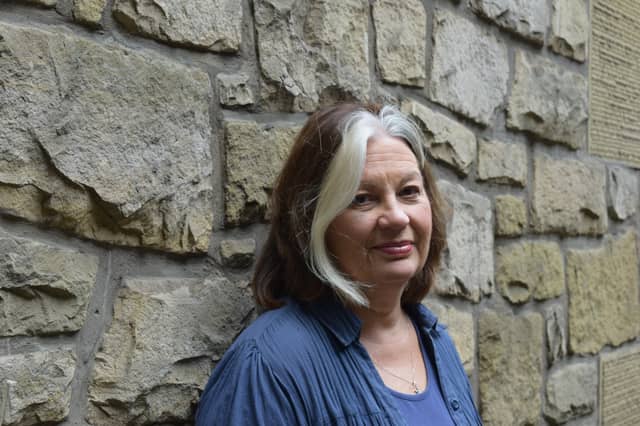

Dr Marsha Scott, chief executive of Scottish Women’s Aid, has warned that waiting lists for services are soaring as centres close due to funding pressures
One of Scotland’s leading domestic abuse charities has warned it is “approaching breaking point” due to funding cuts which risk jeopardising the safety of women and children.
Scottish Women’s Aid said its services are facing “increasingly severe and unsustainable pressures” at a time when demand for its help is soaring.
Now, 5,071 women and girls are on the waiting list for support services - up from 3,632 in 2021/22, a rise of almost 40 per cent.
The charity said the “unprecedented crisis” was compromising frontline support, with more than 20 per cent of local branches closing part of their service as a result of financial pressures.
While total income across Scottish Women’s Aid increased from £22.5 million in 2020/21 to £25m 2024/25, a damning new report said funding failed to keep pace with inflation, leaving more than two-thirds (68 per cent) of local women’s aid organisations with a real-terms decline in cash.
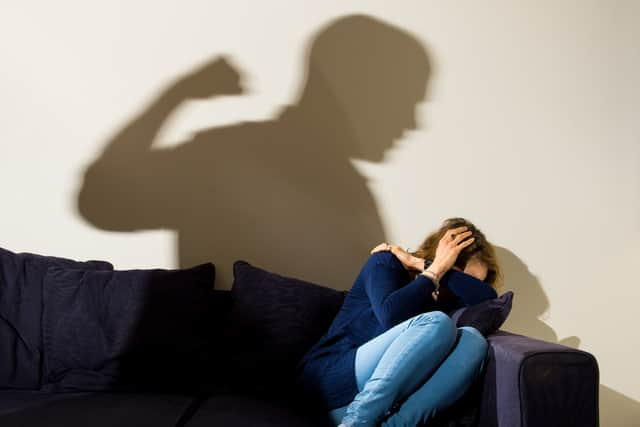
In the Breaking Point report, it said: “Despite repeated warnings and clear evidence of the growing pressures on women’s aid services, local authorities and the Scottish government have not given the issue the sustained attention or priority it requires.
“The failure to adequately recognise and address these longstanding funding pressures has allowed the situation to deteriorate further, leaving services facing increasingly severe and unsustainable pressures.”
The charity went on to warn: “For women and children experiencing domestic abuse, this unprecedented crisis risks their safety and wellbeing.”
The report came after John Swinney described violence against women and girls as an "epidemic" and a "national emergency.
He has pledged personal leadership on the issue.
Last week, chief constable Joe Farrell revealed that 220 reports of violence against women and girls are made every day in Scotland.
A total of 25 out of 31 local services took part in the survey, with the report finding that 12 ended 2024/25 in deficit, compared with just three in 2020/21.
Meanwhile almost all (92 per cent) local services said they were dealing with increased demand for help, with adult referrals up by approximately 43 per cent between 2021/22 and 2025/26.
Almost half (46 per cent) told how they were providing some services without any dedicated funding for them, relying on cash reserves or short-term income to keep services running.
The number of women in need of support who had to be put on a waiting list has increased from 3,632 in 2021/22 to 5,071 in 2025/26, a rise of almost 40 per cent, while the number of women who had to wait three months or more for help rose by 31 per cent over the same period.
The report called on both the Scottish government and local councils to “commit to longterm, stable and adequate funding models and solutions for local women’s aid services.”
Without this it warned that services for abuse survivors would be “further compromised” as “local women’s aid services close across the country, and more lives are put at risk”.
Dr Marsha Scott, chief executive of Scottish Women’s Aid, said: “This report lays bare the growing pressures facing local women’s aid services across Scotland.
“Funding has, at best, failed to keep pace with inflation and demand and, in the worst scenarios, has been cut entirely at the local level.”
She added: “Our grassroots services need stable and adequate funding that reflects the real cost of delivering support and gives services the security to plan for the future.
“The patchwork is falling apart, and leadership at both local and national levels must act.”
Her comments came as the report told how the “essential services” provided by Scottish Women’s Aid are “approaching breaking point”.
It added: “Significant real-terms funding cuts, lack of long-term, stable and adequate funding, and rising demand for services are placing unprecedented, unsustainable strain on the women’s aid network in Scotland.”
Financial pressures on the organisation are compromising frontline support, contributing to longer waiting times, reduced provision and also increasing the strain on staff, it said.
“Without action, more services risk becoming financially unsustainable, leaving women and children with fewer options for specialist domestic abuse support,” the report found.
It said some local authorities “are failing to acknowledge decades of specialist expertise provided by women’s aid services”, saying these councils were bringing support services “in house” rather than relying on women’s aid to provide them.
It also said authorities were “commissioning larger, consolidated contracts, often at reduced funding levels” and looking for bids to “gender-neutral services”.
While such changes can be “intended to create efficiencies”, the report said “these moves threaten to put lives at risk by overlooking the specific needs of women who have experienced male violence and abuse”, stressing that this includes a need for “specialist support from women who understand the gendered nature of their experiences”.
Rape and attempted complaints to the police in Scotland have increased by 32 per cent in the space of just four years.
While better reporting may explain some of the increase in crimes like rape and sexual assault, domestic abuse, and stalking, “new and increasing offending” was also a factor, the chief constable said.
“Technology can be used to access and harm victims, while criminals can connect and co-ordinate in online spaces, driving offences in volume and in depravity,” Ms Farrell said.
In his Programme for Government earlier this year, First Minister John Swinney pledged his “personal leadership” on tackling the “national emergency” and said changing the behaviour of men was central.
The programme included plans for misogyny legislation, a public health campaign aimed at boys and young men, as well as longer-term funding for specialist support organisations and greater protections for women experiencing domestic abuse.
The Scottish government and local government body Cosla have been contacted for comment.
Comments
Want to join the conversation? Please or to comment on this article.