
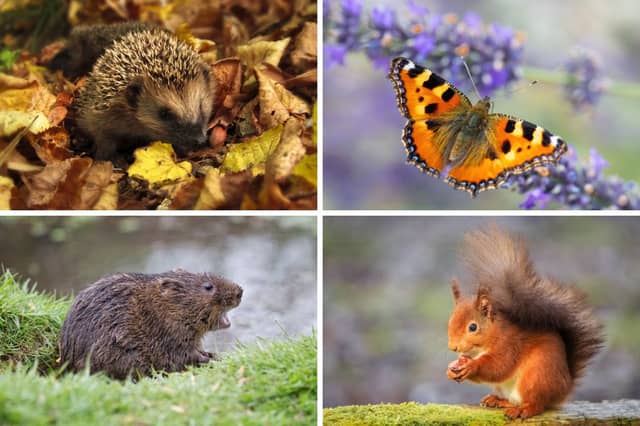

Scotland - and Britain - has a relatively small land area, but despite this is home to a remarkable diversity of wildlife.
However, many of its native species are now at risk of disappearing forever due to habitat destruction, climate change, and various human-induced threats.
Some have seen their populations plummet by over 90 per cent in recent years, meaning that once-common creatures are now a rare sight.
These are 10 of the most at risk, according to the experts at ecology & arboriculture consultancy Arbtech - and how we can help them return from the brink.
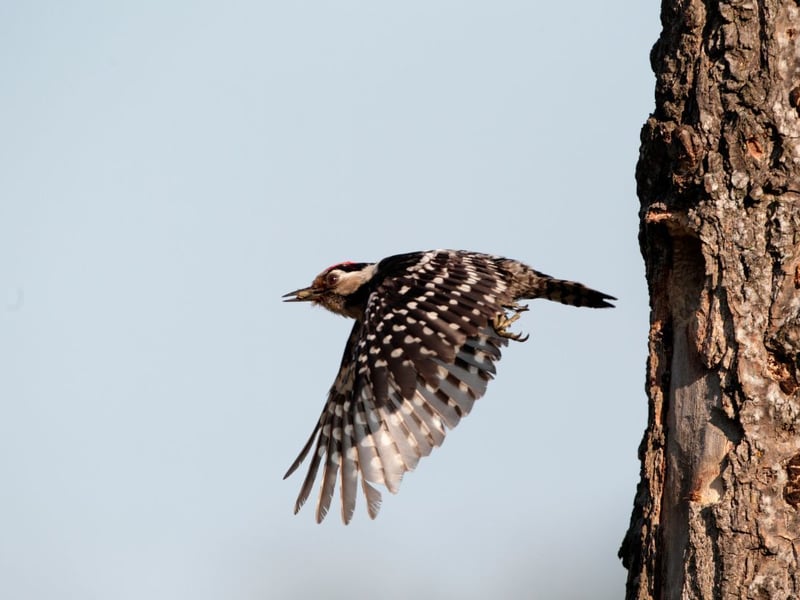
9. Lesser Spotted Woodpecker
The lesser spotted woodpecker, a master of stealth in wooded habitats, has seen a 90 per cent decline since the 1980s due to deforestation and habitat destruction; today, 1,200 specimens of this species are believed to be left. To preserve these woodpeckers, we must take specific actions. Preserving old-growth forests, which provide the ideal habitat, is crucial. Dead trees left in place for natural decay become a food source and nesting sites for woodpeckers. These practices, combined with enhancing the availability of suitable food sources, can encourage the resurgence of the lesser spotted woodpecker. | Canva/Getty Images
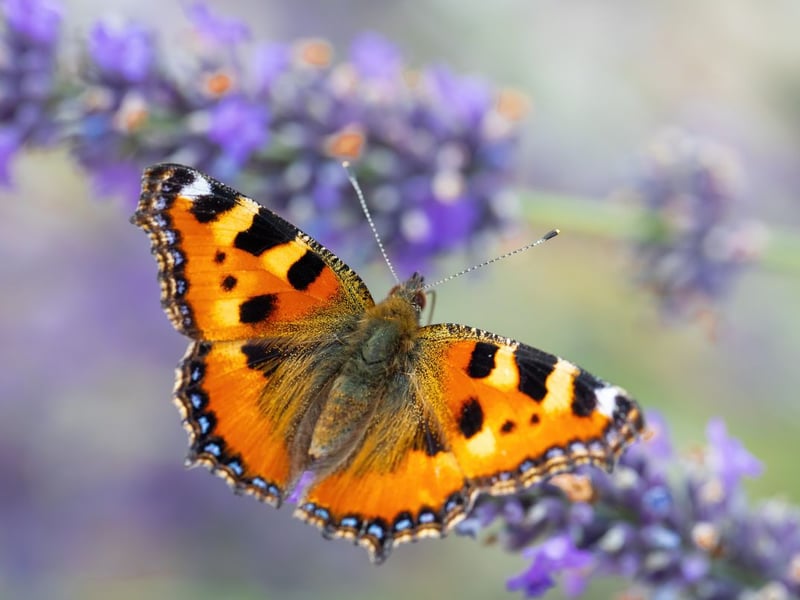
10. Small Tortoiseshell
Like many other species, Small tortoiseshell butterflies are threatened by habitat destruction and climate change. The decrease in population has been drastic, as there was a 77 per cent decrease in the ten years between 2003 and 2013, with numbers continuing to dwindle. To preserve these delicate insects, planting nectar-rich flowers in gardens and public spaces can provide essential food sources. Protecting their habitats, including meadows and open woodlands, is crucial. Reducing the use of pesticides and promoting responsible gardening practices can also help maintain the butterfly's population. | Canva/Getty Images