
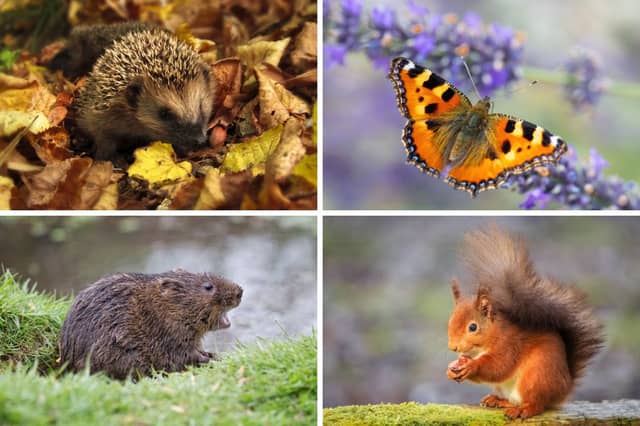

Scotland - and Britain - has a relatively small land area, but despite this is home to a remarkable diversity of wildlife.
However, many of its native species are now at risk of disappearing forever due to habitat destruction, climate change, and various human-induced threats.
Some have seen their populations plummet by over 90 per cent in recent years, meaning that once-common creatures are now a rare sight.
These are 10 of the most at risk, according to the experts at ecology & arboriculture consultancy Arbtech - and how we can help them return from the brink.
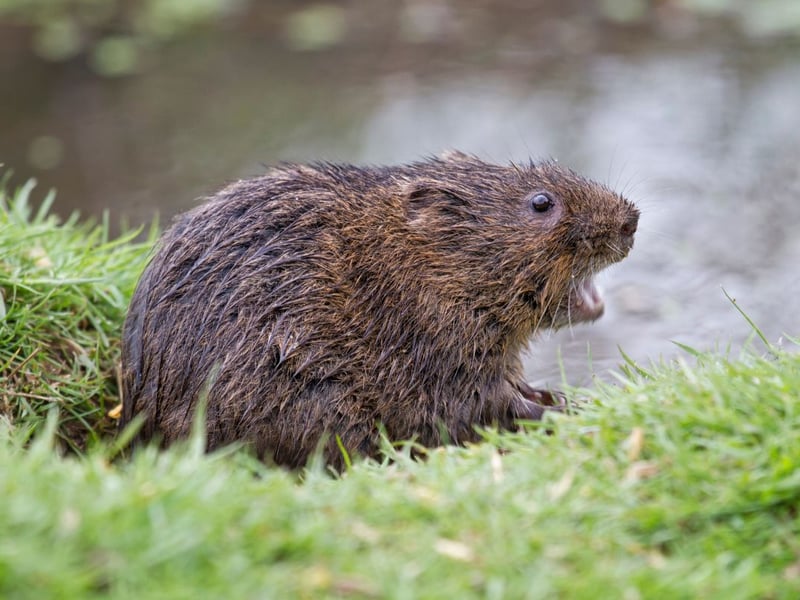
5. Water Vole
Water voles, the inspiration for 'Ratty' in Kenneth Grahame's 'The Wind in the Willows', have faced habitat destruction and predation, particularly by invasive species such as mink, and their population has declined 94 per cent since the 1990s. Preservation efforts must involve the creation of buffer zones along watercourses, preserving and restoring their natural habitats. | Canva/Getty Images
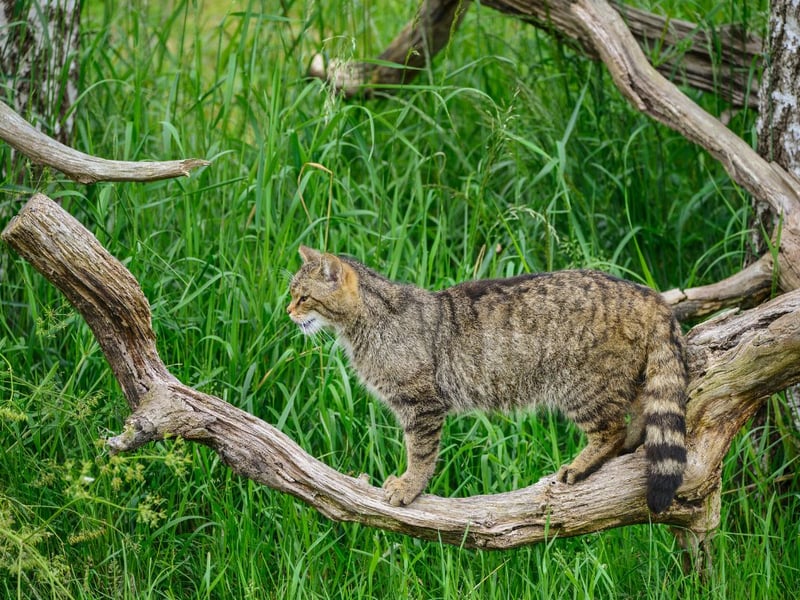
6. Scottish Wildcat
The Scottish wildcat, a symbol of untamed wilderness, faces a dire situation due to crossbreeding with domestic cats and habitat loss to the point where, in 2023, only 115 to 315 individuals are known. Saving the Scottish wildcat would involve a combination of strategies. Establishing protected reserves where these elusive creatures can roam without interbreeding is crucial. Simultaneously, efforts to promote responsible pet ownership are essential, including neutering and microchipping domestic cats to prevent hybridisation. | Canva/Getty Images
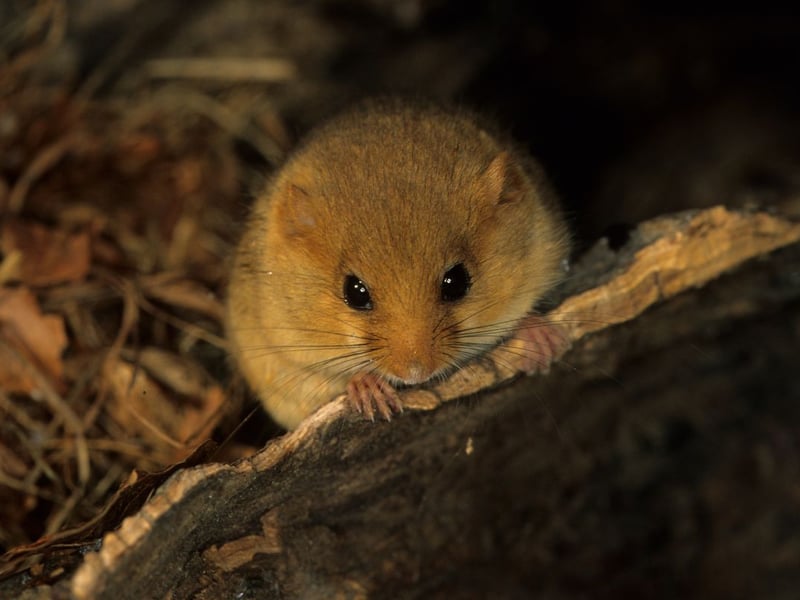
7. Hazel Dormouse
Hazel dormice, with their endearing appearance, have seen their populations decline 75 per cent over the last 25 years due to habitat loss and the impacts of climate change. Preserving these creatures requires a multi-pronged approach. Protecting woodlands and hedgerows, their primary habitats, is vital. Initiatives to maintain hedgerows, and reestablishing and connecting woodlands, provide dormice with suitable areas to forage and nest. Placing nesting boxes can also help bolster populations, ensuring that these delightful creatures continue to thrive in their natural environments. | Canva/Getty Images
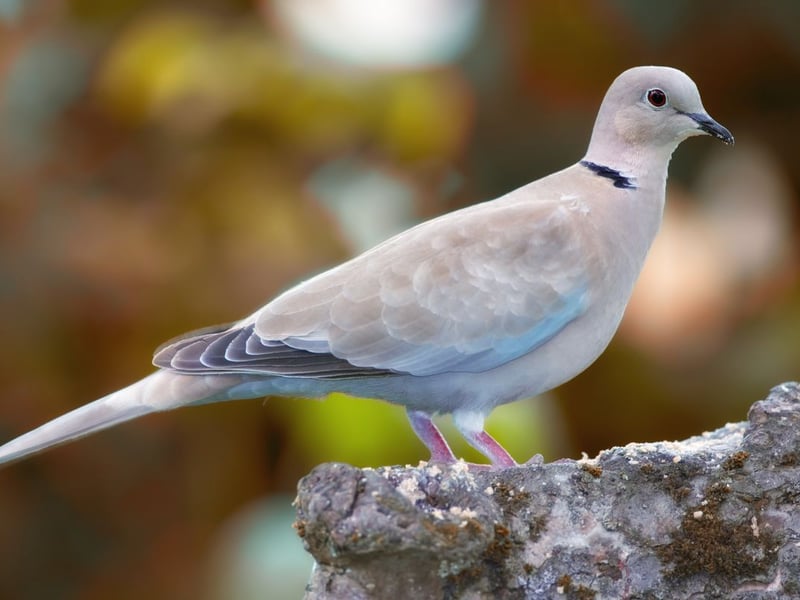
8. Turtle Dove
The turtle dove, known for its soft cooing, has experienced habitat loss and hunting, which threatens its survival, and since the 1970s, there has been a 97 per cent decrease in its population. Preservation efforts must focus on protecting their breeding grounds. This includes conserving meadows, scrublands, and woodlands and ensuring a rich source of seeds, a primary food source for these doves. Moreover, promoting sustainable farming practices can create more dove-friendly landscapes. These collective measures can ensure the survival of this beloved bird in the wild. | Canva/Getty Images