


Launched in 2010, the Big Butterfly Count has become the world’s biggest survey of its type – with over 125,000 citizen scientists taking part in 2025.
Wildlife charity Butterfly Conservation organise the science event, which is backed by the likes of David Attenborough (who is president of the charity), naturalists Chris Packham and Nick Baker (who are vice presidents), actress Joanna Lumley and television presenter Alan Titchmarsh.
This year’s event took place from July 18-August 10, with people taking 15 minutes out of their day to report on the health of the butterly population in their area.
They counted an average of 10.3 butterflies in each 15-minute count in parks, gardens and green spaces across Britain - up on the record low of just seven butterflies per count in 2024, but still well down on previous years.
Here are the 10 insects spotted in greatest numbers - and where you can see them in Scotland.
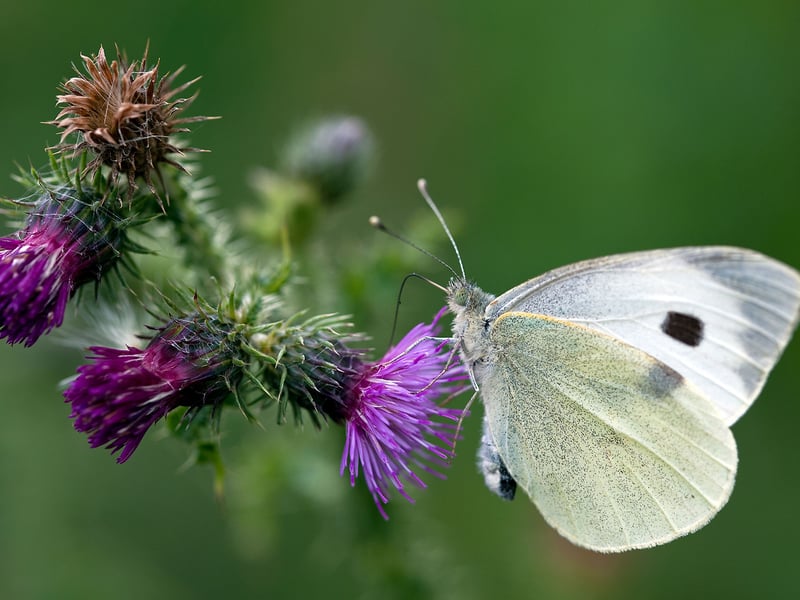
1. Large White
The Large White is the most common butterfly in the UK, according to the Big Butterfly Count 2025 - with 396,510 of them spotted. One of the group of butterflies commonly known as 'cabbage whites' - or the Pieridae family to give them their scientific name - the large white's caterpillars do indeed often feed on cabbage leaves so are not much liked by gardeners. They are fairly common in gardens across the Central Belt and Borders, though less so in the north of Scotland. The adults can be seen on the wing from April to December. | Canva/Getty Images
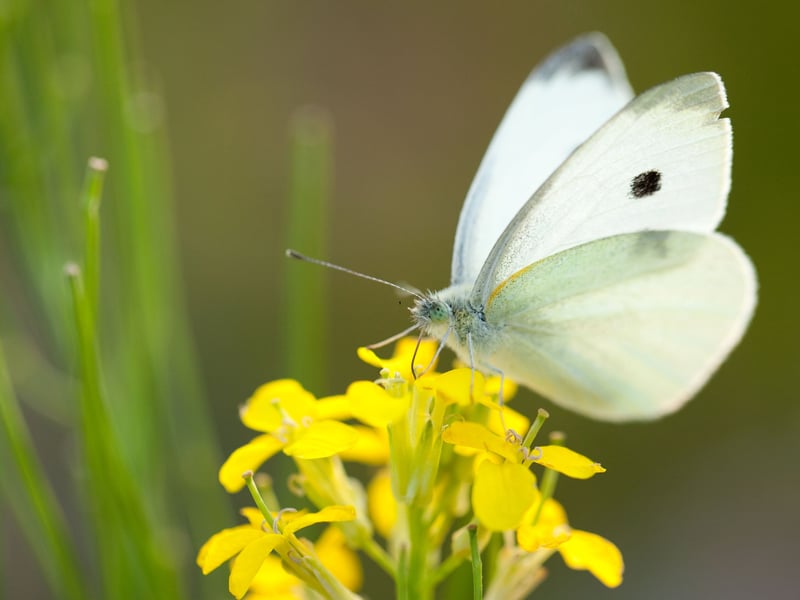
2. Small White
Second spot goes to the Small White, with 318,762 sightings. As the name would suggest, the small white is relatively easy to distinguish from the large white due to its more diminutive size. It has a similar distribution in Scotland to its larger cousin and can easily be spotted in gardens during the summer and early autumn. | Canva/Getty Images
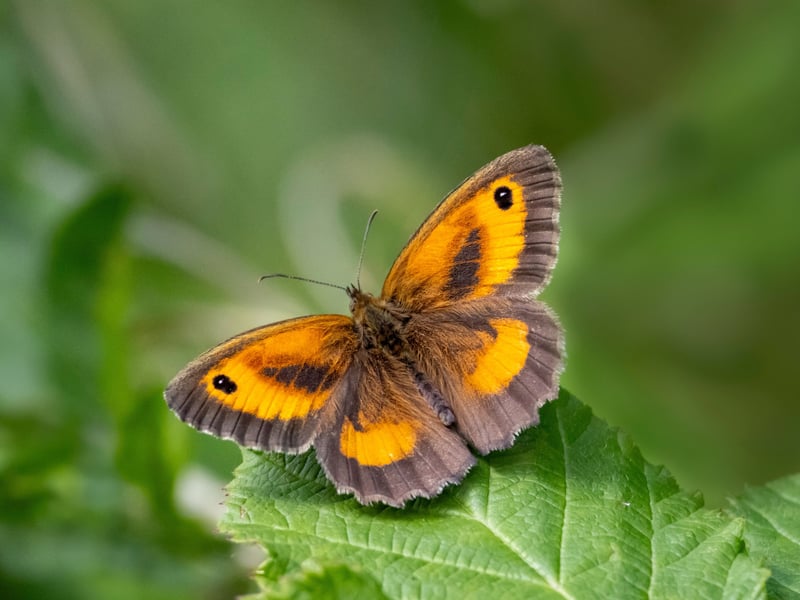
3. Gatekeeper
The Gatekeeper took top spot last year, but is third in 2025 with 236,425 sightings. They are a fairly rare species in Scotland but have moved north of the border in recent years, probably due to global warming. There are now established colonies in Dumfries and Galloway and it seems their march north will continue in the coming years. | Canva/Getty Images
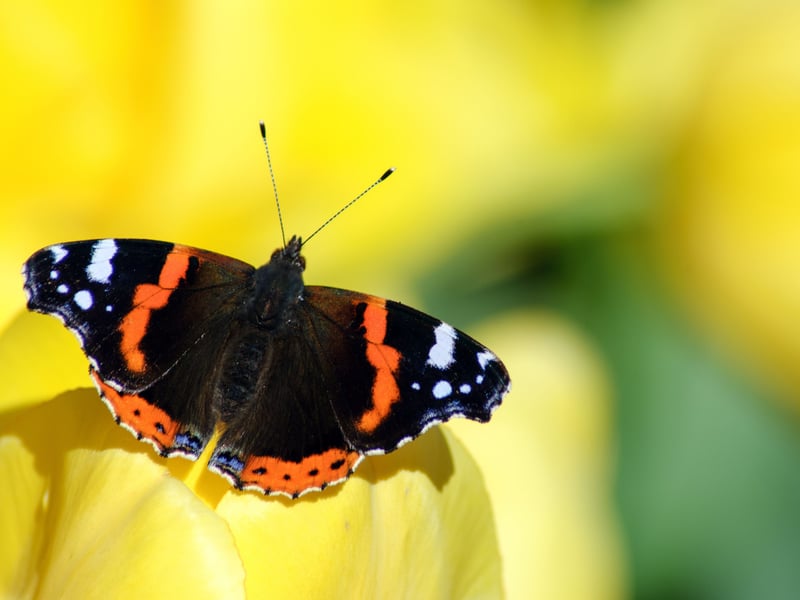
4. Red Admiral
There were 166,289 sightings of beautiful Red Admiral butterflies. On the wing from May to October, and common in parks and gardens across Scotland, while the red admiral does breed in Scotland the vast majority of adult insects you see will be migrants from south of the border. | Canva/Getty Images