


Launched in 2010, the Big Butterfly Count has become the world’s biggest survey of its type – with over 125,000 citizen scientists taking part in 2025.
Wildlife charity Butterfly Conservation organise the science event, which is backed by the likes of David Attenborough (who is president of the charity), naturalists Chris Packham and Nick Baker (who are vice presidents), actress Joanna Lumley and television presenter Alan Titchmarsh.
This year’s event took place from July 18-August 10, with people taking 15 minutes out of their day to report on the health of the butterly population in their area.
They counted an average of 10.3 butterflies in each 15-minute count in parks, gardens and green spaces across Britain - up on the record low of just seven butterflies per count in 2024, but still well down on previous years.
Here are the 10 insects spotted in greatest numbers - and where you can see them in Scotland.
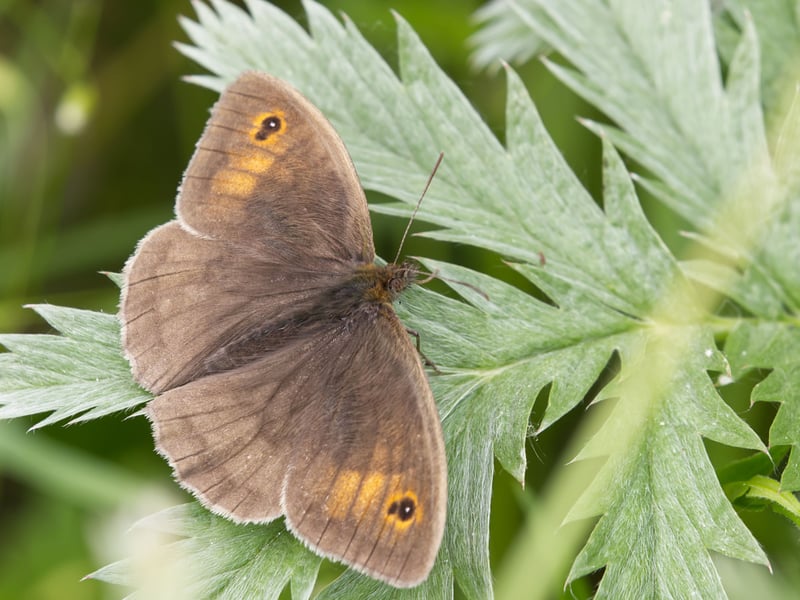
5. Meadow Brown
The Meadow Brown had a bad year by its standards - although that's at least partially because they were on the wing earlier than ususal this year. It still made the top five though, with 133,025 sightings. If you are in a Scottish meadow and see a brown butterfly the chances are that it's a meadow brown! On the wing from late June to September, long grass and a bit of sun is all the butterfly seems to need to thrive. Wide regional variations in the spotting pattern on the wings have led to it being studied extensively by geneticists over many years. | Canva/Getty Images
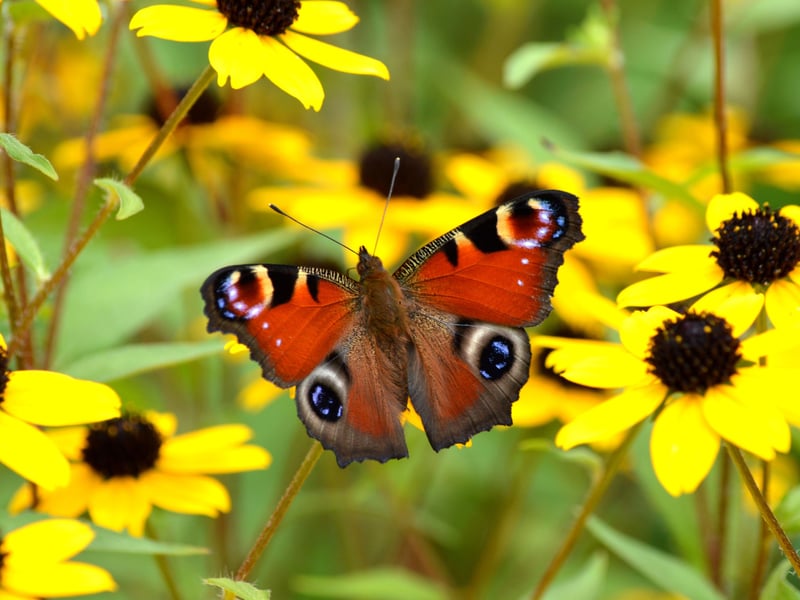
6. Peacock
There were 96,155 crimson Peacock butterflies spotted - nearly double the 2024 figure. It is one of Scotland's most common butterflies and is regularly seen in gardens. Caterpillars feed on nettles and the adults overwinter in Scotland, emerging on the first warm day of spring. Many also arrive from England over the first half of the year, bolstering numbers further. | Canva/Getty Images
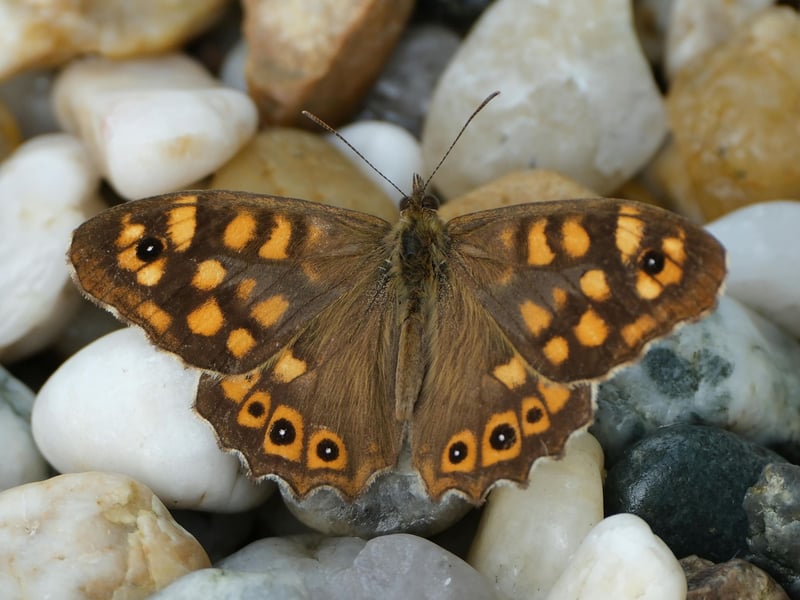
7. Speckled Wood
The Speckled Wood has has a tough time of it UK-wide - down 35 per cent in the last 15 years. There were 53,423 seen this year. Once relatively rare in Scotland, the dapper butterfly has become increasingly widespread in recent years. Emerging in April, their population peaks in early May, with favourite spots being hedgerows and woodland clearings. | Canva/Getty Images
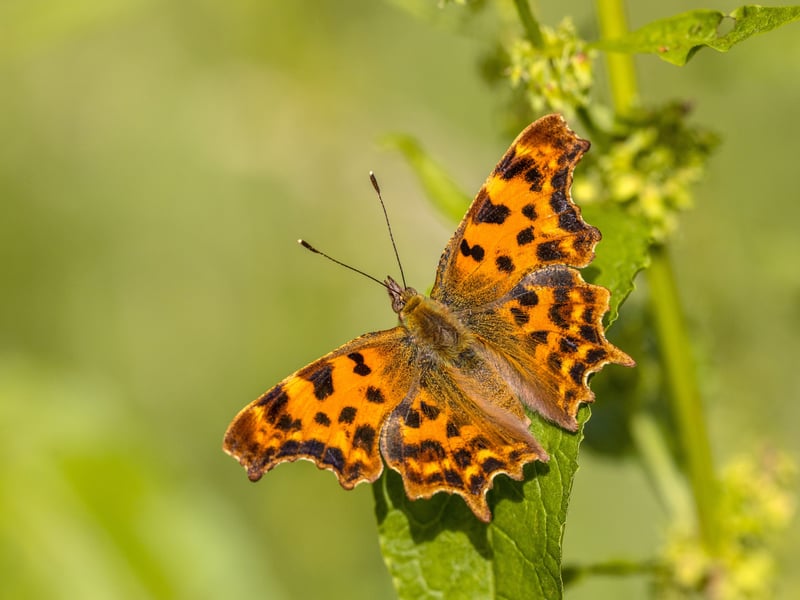
8. Comma
The Comma is one of the rare successful butterfly success stories, with numbers having recovered since alarmingly dipping in the late 20th century. There were 43,062 seen in 2025. Easily identified by it's ususually-shaped wings - which make for perfect camouflage against a backdrop of dried leaves - the insect was thought to be extinct in Scotland for many years. Much like in the rest of the UK though, they are now a fairly common sight, with experts thinking that they are now breeding north of the border. In July the butterflies are laying their eggs on nettles for the first of two broods of the year. | Canva/Getty Images