
Dogs, mindfulness and staff shortages - how dining out has changed since lockdown
It’s been just over five years since the first Covid-19 lockdown and although things have returned to normal since then, dining out has changed dramatically.
It might seem like a lifetime ago for some, but 24 March marked the fifth anniversary of the first Covid-19 lockdown in the UK. Going out for a meal or a coffee became a distant memory as hospitality businesses remained closed for months, with many turning to cook at home kits. While things have returned to some kind of normality, factors from the lockdowns have shaped our dining out landscape.
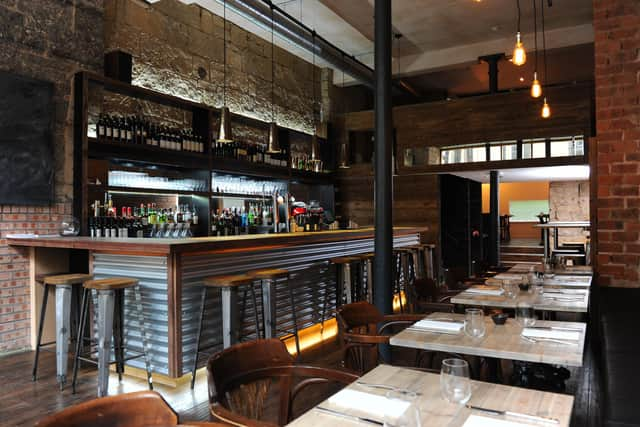

“We have found that our local guests aren’t inclined to stay as late as pre-Covid, and two reasons keep being mentioned,” said Peter McKenna, chef patron of Glasgow’s award-winning The Gannet restaurant, “the lockdown dog and not wanting to leave it at home by itself for too long and the issue of trying to get a taxi after dinner, they can be few and far between.”
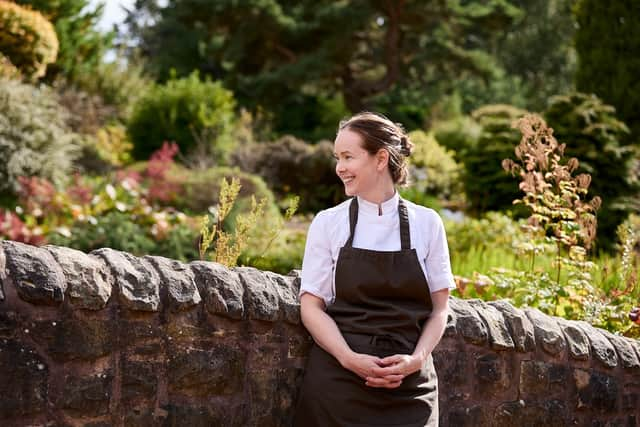
Dogs are a factor for Roberta Hall McCarron, co-owner of Edinburgh restaurants including Little Chartroom and Eleanore as she and her husband have, since lockdown, opened a dog-friendly restaurant due to demand. She said: “Up until last June we didn’t have any businesses that were dog friendly and would occasionally get asked if we were, that definitely has increased in the last few years, and last June we opened up Ardfern, which is dog friendly and on a busy Sunday brunch it’s doggy day care.”
While guests aren’t making a long night of it in restaurants, they’re treating that meal out as a luxury due to the current cost of living situation, as Mr McKenna explained: “There’s been a noticeable shift in dining patterns over the past five years. Factors such as inflation, rising taxes, and increased employment costs have made dining out a more expensive luxury. While weekends remain busy, midweek can be variable.”
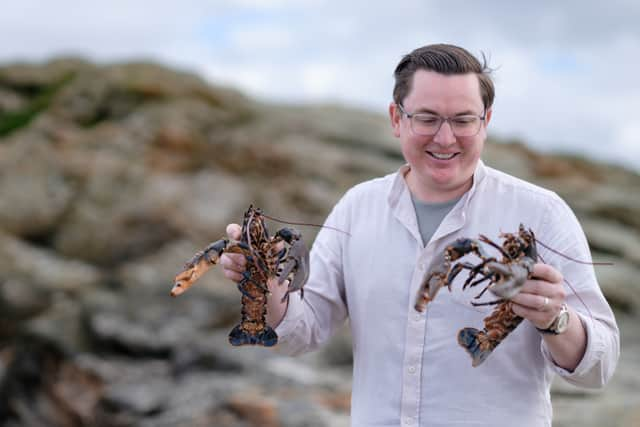
Chef and restaurant owner Dean Banks has also noticed a shift in bookings due to financial impacts. He said: “I wouldn't say there has been much change in times of day however the time of booking prior to dining date has changed hugely. We have so many last-minute bookings compared to bookings that used to come in up to a month in advance. We think this trend has changed because people are unsure of their finances, and so might be unwilling to commit to a big night out further in advance.”
Those that are committing to a meal out, and regularly are Gen-Z. Rowan King, operations manager at Scoop Restaurant Group (Margo, Sebb's, Ox and Finch) said: “Gen Zers seem to be much more interested in eating out regularly, I think in the UK it's something like 15 per cent of Gen Zers are dining out more than five times per month, with a real keenness for relaxed, casual and quick dining.”
Working from home has also played a part in people’s going out habits with many people looking to get out of that environment, as Courtney Flynn, head of sales, PR and comms at The Superlative Collection in Glasgow has seen.
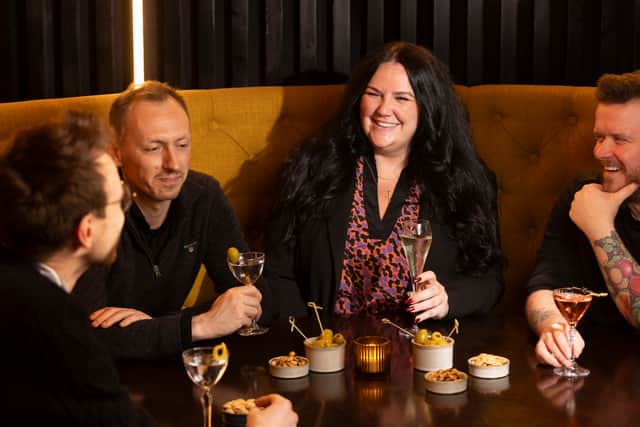
She said: “Diaries aren't as strict as they once were, people are easier on themselves and the work from home structure only benefits easy living, more relaxed vibes and people want to get out and have fun after being in the house all day.”
Jun Au, chef-owner of Pomelo in Edinburgh added: “There is more of a crowd, that certainly is more casual than before. Working from home really helps, you see more people having dinner out, staying up later. I think as more people that work 9-5 either from home or hybrid there is more flexibility to dine out during the evenings in the weekdays. They don’t need to get up as early as before to commute to work and get in.”
Dean Parker, chef and co-founder of Michelin-bib awarded Celentano’s in Glasgow City Centre, said that dining has become much more intentional: from quality to the environmental impact of a meal. He said: “The pandemic has changed dining forever. People are much more aware of what they’re eating, how it makes them feel, and how it fits into their lifestyle. It’s not just about grabbing food anymore, it’s about the whole experience, the atmosphere, and knowing that what you’re eating has been made with care.”
Staffing continues to be a challenge, with many people having left hospitality since 2020 and others looking for a much better work/life balance than was traditional before the lockdowns.
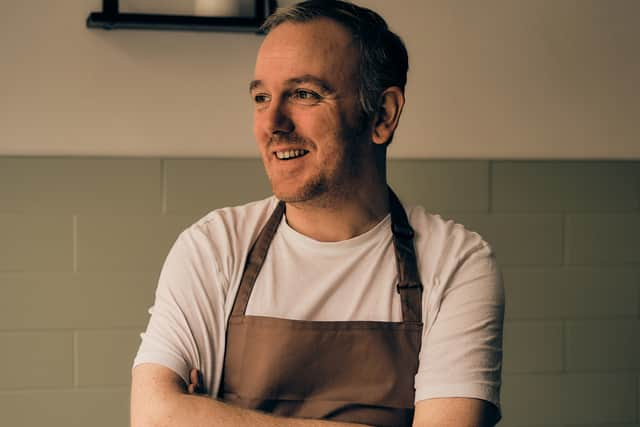
Alan Keery, co-owner and head chef of Nàdair in Edinburgh said: "The biggest impact Covid has had on hospitality is staffing issues. There was a mass exodus of chefs after lockdown and restaurants are still struggling to fill the void. Places that used to open maybe six or seven days a week are now only perhaps operating four days. The knock on effect means that owners are putting their prices up in order to claw back some money they would've otherwise made opening for more services.”
As drinking habits shift post-pandemic, people are becoming more selective, valuing quality over quantity and seeking more experimental options that go beyond just having a pint. Steven Smith-Hay, founder of Vault City, one of Britain’s leading independent sour beer brewers, has seen these changes firsthand.
He said: "People are prioritising quality over quantity. Yes, they’re drinking less, but they’re choosing to spend more on something high quality or a unique experience. We’ve also noticed a huge uptick in nostalgic flavours from childhood, maybe because after such a period of intense disruption, we’re all looking for a bit of familiarity.
"I think this has definitely contributed to our growth. Post-pandemic, we are now Britain's leading sour beer producer. The category has been expanding year-on-year, with what was once a unique style of beer becoming closer to mainstream each year.”
Comments
Want to join the conversation? Please or to comment on this article.