


We’re a nation of cat lovers - with more than 10 million feline friends belonging to households across Britain.
When it comes to four-legged friends it’s usually dogs rather than cats that are thought of as being the most friendly, outgoing and loving pets.
Many people with little experience of cats wrongly believe they are solitary – even standoffish – animals, but our feline friends can be just as loving as their canine colleagues.
And with a number of cat breeds to choose from - according to The International Cat Association there are 73 ‘standardised breeds’ along with a bewildering number of crosses - some have a tendency to be more friendly than others.
These are the 13 breeds most likely to reciprocate your love and affection.
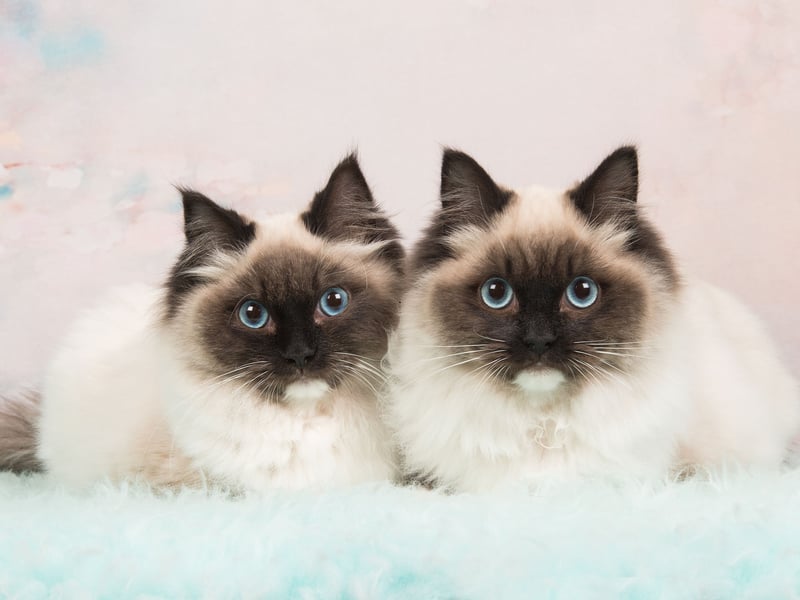
1. Ragdoll
Pretty much the perfect pet, the Ragdoll has been bred to be affectionate companions, but also to be relatively low-maintenance and self-sufficient. They love children and are likely to always see your lap as being their evening relaxing spot. | Canva/Getty Images
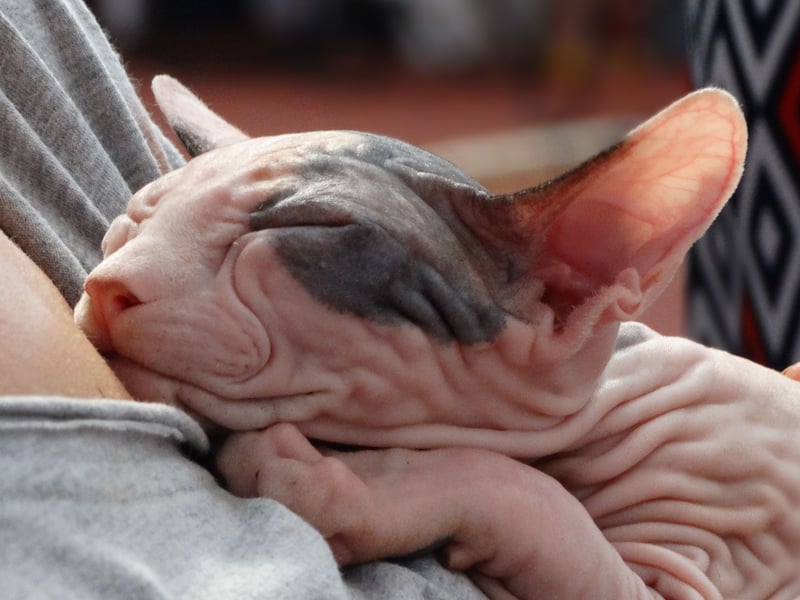
2. Sphynx
The fact that the Sphynx doesn't have any hair means it can get a bit chilly - and its owner's body heat is just the ticket for it to warm up. That means there will always be cuddles. Plus this breed of cat just naturally loves snuggles - and play - even if it's warm enough, so expect plenty of purrs at the same time. These are seriously loving cats. Sadly, there are also issues with having no hair, with these cats predisposed to skin problems and sunburn. | Canva/Getty Images
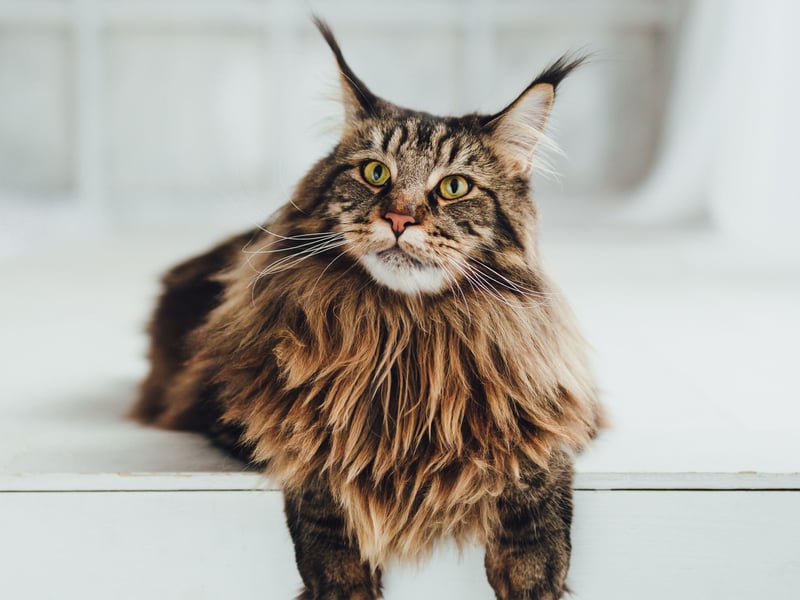
3. Maine Coon
Native to America, where they are the one of the oldest breeds of domesticated cat, the Maine Coon is known to be a real gentle giant. This is a big cat with a satisfyingly dense coat - the perfect combination for a cuddle and their high levels of affection mean that they rarely refuse. | Canva/Getty Images
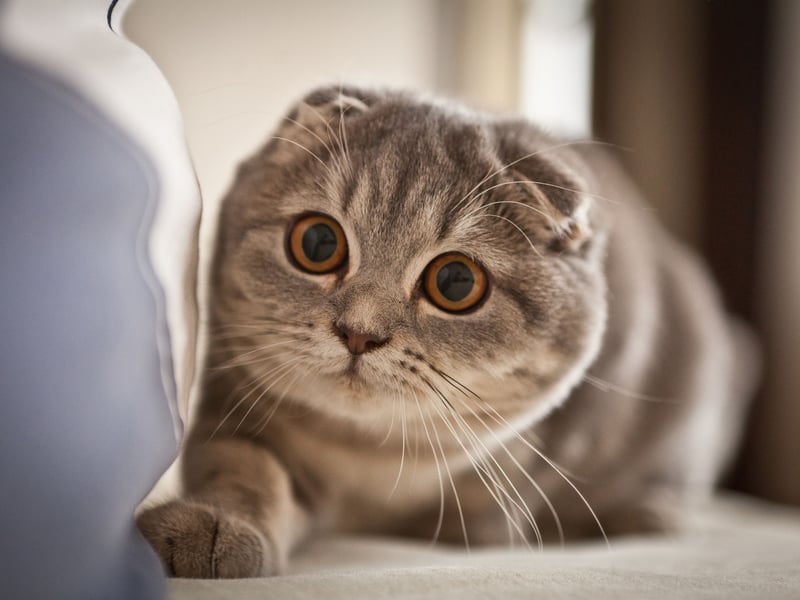
4. Scottish Fold
Taylor Swift's favourite breed of cat is named after its distictive 'folded' ears caused by a genetic mutation. This is a feline that is so affectionate that it really doesn't like being left alone - preferring to be curled up on or against its beloved owner at all times. If you want a cat that you can leave in the house while you go out to work, this probably isn't the breed for you. Prospective owners should also be aware that due to the selective breeding this cat is prone to Osteochondrodysplasia (Scottish Fold Disease), causing abnormal bone growth and skeletal deformities, arthritis and severe pain. | Canva/Getty Images