


More than 30 seasonal sites run by Historic Environment Scotland (HES) across the country will reopen to visitors from Tuesday, April 1.
Whether you’re a history nerd, nature lover or just simply looking for a day out on the road, Scotland’s history is ready to be unlocked once more.
From the ancient Broch of Gurness in Orkney – home to one of Scotland’s best-preserved Iron Age villages – down to Dundrennan Abbey in Dumfries where Mary, Queen of Scots spent her last hours in Scotland, there are historic sites spread throughout the entire country.
Craig Mearns, director of operations at HES, said: “The start of the new visitor season is always exciting. As the weather warms up, there’s no better time to step outside, experience Scotland’s natural beauty and get a closer look at our past. With castles, palaces, priories and brochs all reopening, everyone will find an aspect of Scottish heritage to enjoy.
“These sites are part of Scotland’s history and offer an incredible range of experience and understanding. Our monuments include safe havens for key historical figures, strategic fortresses, Hanoverian munitions factories and sites of ceremonial importance to ancient tribes. Each place tells a unique story, and we look forward to sharing them with people from across the world.”
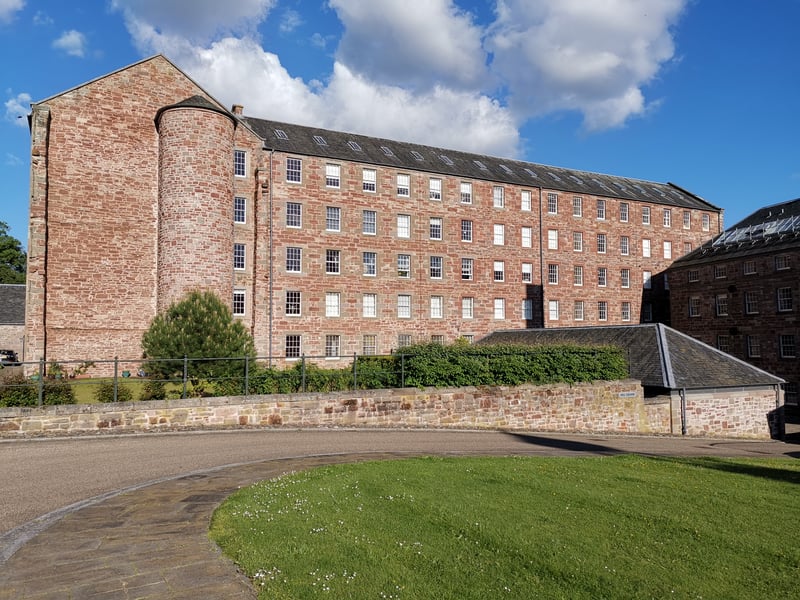
9. Stanley Mills, Perthshire
Stanley is the best-preserved mill which had direct involvement of Sir Richard Arkwright, a driving forced behind the early Industrial Revolution. He provided capital, expertise and training to the project at Stanley and was key to its initial 18th Century set-up. At its height, 1,000 people worked here with many living in the nearby village. Located nine miles north of Perth, the mills were built to spin cotton, with weaving coming later to Stanley . Water was diverted from the River Tay to provide power, first to water wheels and then to turbines to drive the mill machinery. The mills were in operation until the 1980s. | Paul T/CC
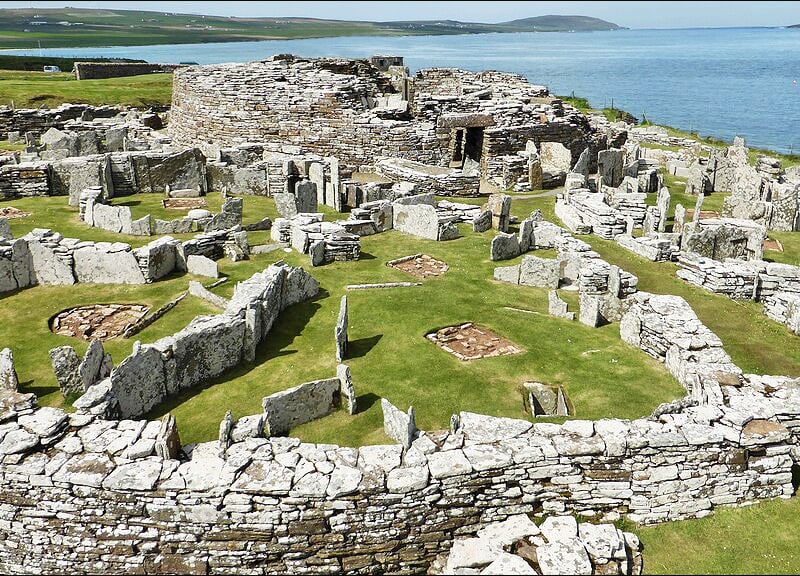
10. The Broch of Gurness, Orkney
A once-mighty Iron Age settlement, the Broch of Gurness was a small village arranged around a central, massive broch tower. Found on Orkney's West Mainland, it sits on a coastline one lined with such constructions. Measuring around 65ft in diameter and defended by two rock-cut ditches and a rampart, the Broch of Gurness was undoubtedly a place of power. At least 14 houses made up the settlement, which was built around 2,000-years-ago. | Sandy Gerrard/CC