


More than 30 seasonal sites run by Historic Environment Scotland (HES) across the country will reopen to visitors from Tuesday, April 1.
Whether you’re a history nerd, nature lover or just simply looking for a day out on the road, Scotland’s history is ready to be unlocked once more.
From the ancient Broch of Gurness in Orkney – home to one of Scotland’s best-preserved Iron Age villages – down to Dundrennan Abbey in Dumfries where Mary, Queen of Scots spent her last hours in Scotland, there are historic sites spread throughout the entire country.
Craig Mearns, director of operations at HES, said: “The start of the new visitor season is always exciting. As the weather warms up, there’s no better time to step outside, experience Scotland’s natural beauty and get a closer look at our past. With castles, palaces, priories and brochs all reopening, everyone will find an aspect of Scottish heritage to enjoy.
“These sites are part of Scotland’s history and offer an incredible range of experience and understanding. Our monuments include safe havens for key historical figures, strategic fortresses, Hanoverian munitions factories and sites of ceremonial importance to ancient tribes. Each place tells a unique story, and we look forward to sharing them with people from across the world.”
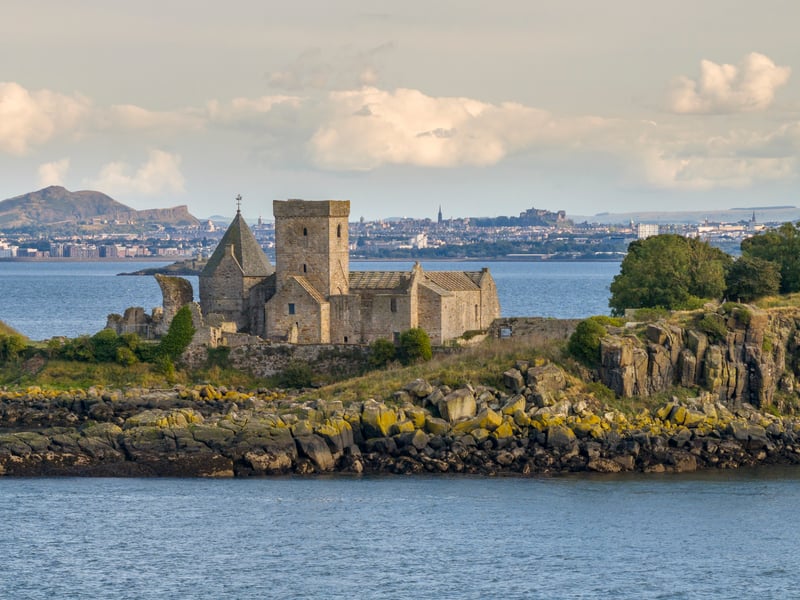
5. Inchcolm Abbey, Inchcolm Island, Firth of Forth
Home to the best-preserved group of monastic buildings in Scotland, the abbey on the island in the Forth was originally a priory founded by David I. It's location has made the island a sanctuary - first for religious followers and then for wildlife - as well as a place of strategic importance. Coastal defences were placed here during World War Two to protect Rosyth naval base, the Forth Bridge and Edinburgh. Tickets for a trip can be bought from the Maid of the Forth or Forth Boat Tours. Once you step on the island, highlights include the rare medieval fresco, which dates from the 13th Century. | HES
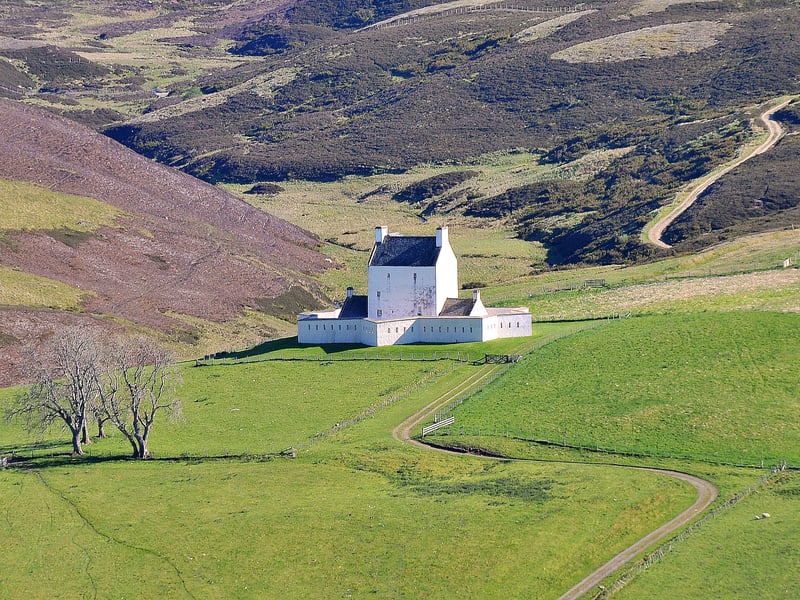
6. Corgarff Castle, Strathdon, Aberdeenshire
The landscape surrounding Corgarff is absolutely stunning and while the drive there is worth the trip alone, a ticket for the castle is money extremely well spent to understand how this remote stronghold became a key faultline between the Highlands and the Lowlands and a critical lookout for the government on a key route north. With the former noble's home turned into a garrison, it was Jacobite sympathisers and, later, whisky smugglers who were being tracked from Corgarff. The star-shaped perimeter wall was added when the castle became a military base and inside you'll find an effective reconstruction of the barrack rooms from the time government troops were stationed here. | Mike McBey/CC.
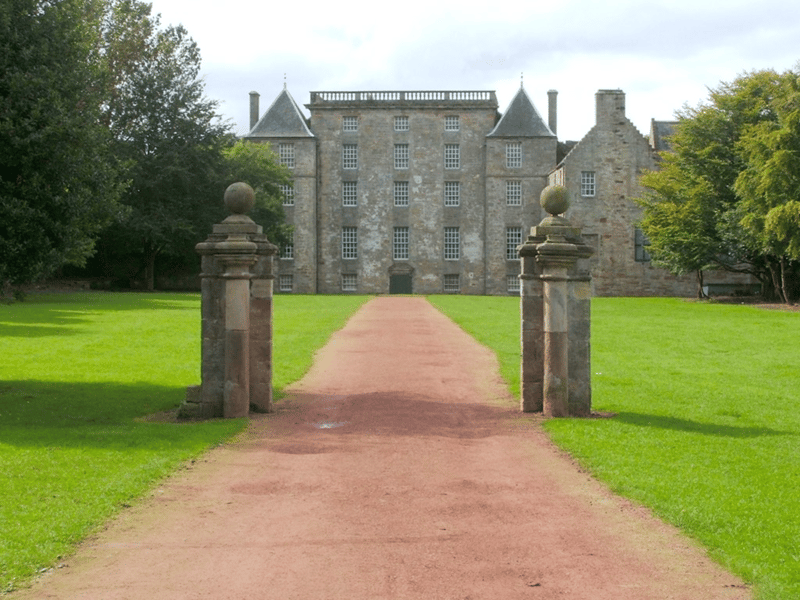
7. Kinneil House by Bo'Ness
Built in the middle of the 16th century next to the Antonine Wall, Kinneil House was one of the seats of the powerful and influential Hamilton family. Undergoing several extensions and refurbishments over the course of 300 years, Kinneil House reflected the Hamiltons’ high status both inside and out. Kinneil House also has a good claim to being the birthplace of the improved steam engine thanks to pioneering Scots engineer James Watt, who contributed substantially to the industrial revolution when he developed his first engine in a small workshop beside the house in the 1700s. | Lairich Rig/geograph.org
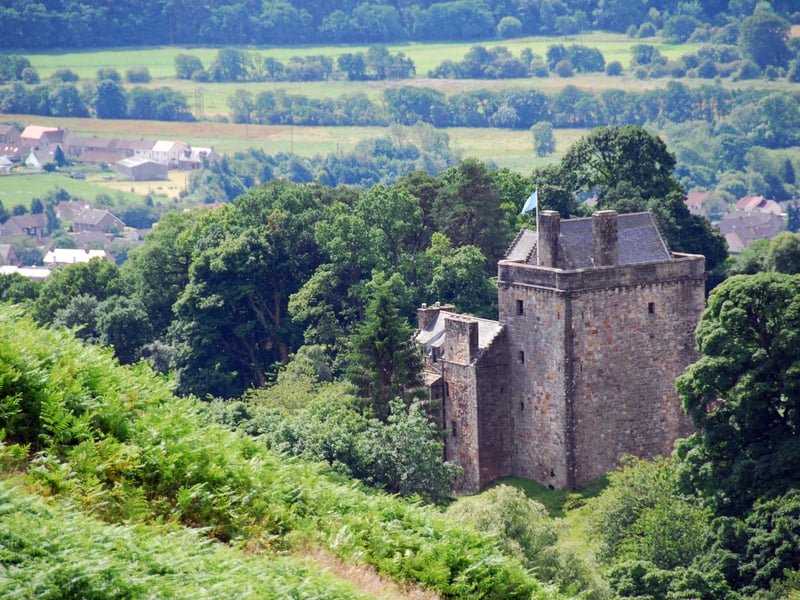
8. Castle Campbell, near Dollar
Sitting above Dollar Glen, the beautiful Castle Campbell emerges on a narrow bridge which is overlooked by the Ochil Hills. Steep ravines fall away on either side of the castle, through which thunder the Burn of Care and the Burn of Sorrow. The 15th Century fortress was once the home of the powerful Campbell earls of Argyll, and has connections with historical figures such as John Knox and Mary Queen of Scots. It was originally known as Castle Glume but after it passed through marriage to Colin Campbell, 1st Earl of Argyll, it served as his impressive Lowland seat close to the action of Stirling Castle with th,e name then changed. | Robert Young /CC