
Hay's Way: Gigha's fresh milk, fresh hotel rooms and changing landscape

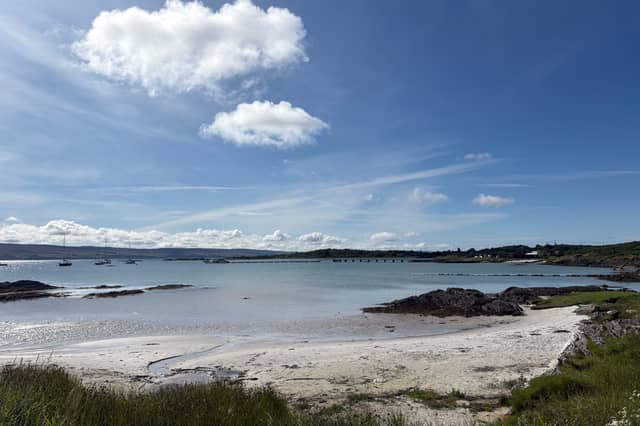

Katharine Hay, The Scotsman’s rural affairs correspondent, makes it to Gigha off the Kintyre peninsula
The shifting sands of Gigha tell a story being repeated across many of Scotland’s west coast islands.
Old ways of life are disappearing, while new ideas for sustaining island economy, way of life and landscape take hold.
In the past year alone, some five or so older residents have died, a noticeable loss on an island of just 170 people where everybody knows everybody. With them has gone a chunk of a generation who remembered Gigha as it once was, and the stories that went with it.
A stone’s throw from the Kintyre peninsula, the slim finger of rock stretching just seven miles long and one and a half miles wide was once a stronghold for island dairies.
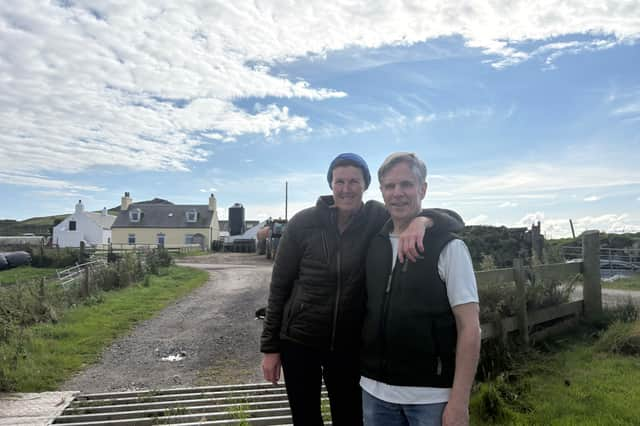
“There used to be another 12 dairy farms on this island,” said Don Dennis, whose wife, Emma Rennie, is one of the few people born and bred on Gigha and milks cows at their Tarbert Farm, where she was born.
While pouring me a glass of raw milk, fresh from the herd, he added: “Now, we’re the only one.”
But even the island’s last dairy operation is changing. Last month, the farm stopped producing its renowned bottled Gigha milk, also a local favourite, because the cost had become too high.
For a decade, the family has also run Wee Isle Dairy, making its distinctive bramble and peat ice cream among other flavours. That business will close at the end of the year when Don retires, along with the island cafe that sells it.

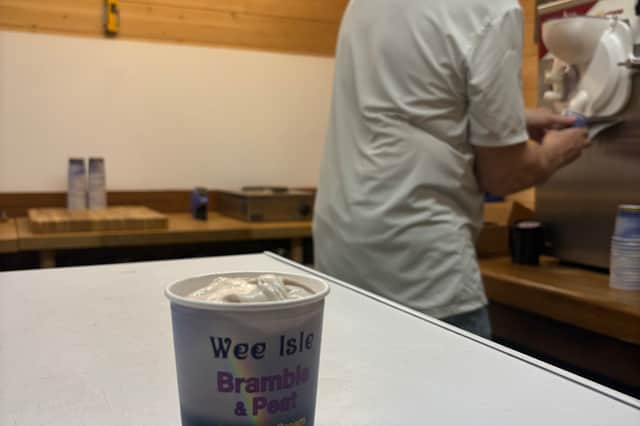
One afternoon, I sat working there while Beth, behind the counter, eventually decided there were so few customers that she might as well close. It was telling of the pressures an island faces when it becomes increasingly dependent on visitors.
Gigha is popular with day-trippers and visiting yachts, but this has not been an easy season.
“Not as many boats are coming in,” said John Labbett, a fisherman who runs a seafood van on the beachfront, selling his catch, usually lobster and crab.
“The weather is usually a big reason.”
It is difficult to argue. During three days of my almost week-long stay on Gigha, the cloud was low and the rain horizontal, conditions that I can’t imagine many day-trippers would be tempted by.
When it is a popular week, residents said an increase in motorhomes can make getting a car spot the ageing CalMac vessel, which is expecting an eclectic-powered replacement soon, a challenge. It is a pretty standard issue for islanders. It did make me wonder how Gigha’s residents managed a couple of centuries ago, when about 600 people lived here and the only way across was by skiff.
But during the dreich weather, I enjoyed spending time in the newly reopened Gigha Hotel, a converted farmhouse that has been upgraded after being mothballed since 2023. It has completed its first phase of renovation, with the opening of new, spruced-up bedrooms providing much-needed cosy accommodation for visitors. Works also included improvements to its restaurant and a makeover of the bar area.
While it is there to attract visitors, the building also serves as somewhere for islanders to meet, particularly when the winter months close in.
The hotel is one of several properties owned by the Isle of Gigha Trust, which bought the island at the turn of the millennium after years of chequered ownership by lairds. At the time, the population had fallen to just 98 and Ardminish Stores, the island’s only shop, was facing closure.
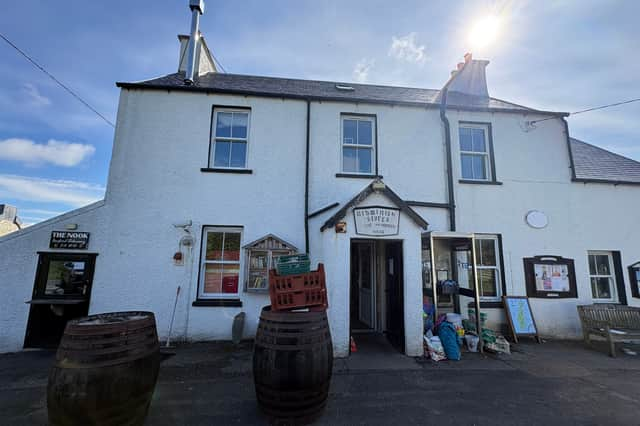
The saga of the island’s ownership even involved Mick Jagger, who was at one point rumoured to have been interested in buying Gigha.
The final private owner was Derek Holt, from whom the community purchased the island for £4 million with support from the Scottish Land Fund.
The Trust has since established a busy campsite and motorhome site and runs the shop, several farms and houses, as well as the 54-acre Achamore Gardens.
But community ownership has not insulated Gigha from the pressures sweeping through the Highlands and islands, including providing housing, supporting tourism and protecting wildlife.
The wildlife challenges were apparent when I first arrived on the island. One of my first encounters was with a mischievous mink, darting around with the confidence of an animal that knows it has no natural predator on the island.
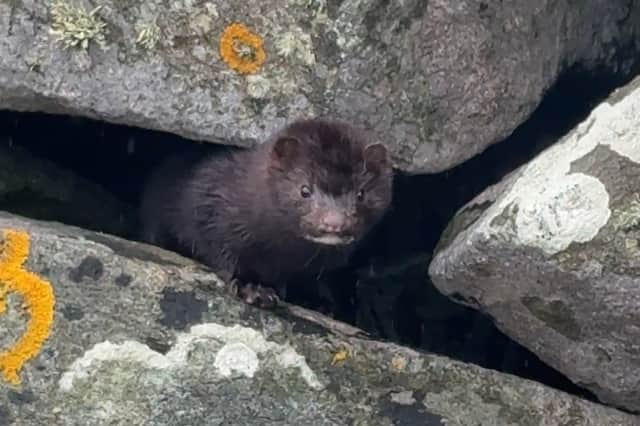
The invasive species has contributed to dramatic loss of ground-nesting birds on the island and helped itself to a few chickens along the way.
For an island surrounded by sea, Gigha felt surprisingly quiet on the bird front to me, particularly among coastal species.
Yet there is still plenty of wildlife. Dolphins and whales can be seen offshore and the Trust’s rangers recently recorded sand martins, a relatively rare sighting of migratory birds travelling north from south of the Sahara.
To manage housing pressures, another widespread issue for rural areas, new homes have been built. Some residents, however, talked about a collection of private properties recently being bought up by a single owner and converted into holiday lets, a pattern now well established across the Highlands and islands that can boost tourism, yet pose a risk to homes and jobs that communities need.
One longstanding islander, who asked not to be named, described recent changes as “island gentrification”, a phenomenon he said was also evident on nearby Jura and other west-coast islands.
“There aren’t really many of the characters here anymore who made the island what it was,” he said.
For dairy farmer Emma, the decline of farming, and the employment that went with it, has been stark in her lifetime. But she is not nostalgic about every aspect of her homeland’s past.
“Change for the island can be good,” she said.
“There are no self-catering lets really on the island, for one thing, so if there’s a big event or a wedding there’s nowhere for people to stay. As long as buildings are being used and not left lying empty.”
I don’t know if it was because Emma was born in the room next door to where I sat chatting to her, but my time with her and Don at the farm, talking over a bowl of homemade mushroom soup, felt like the most authentic Gigha experience for me.
I met her sister, Jane, who works on the CalMac ferry back to the mainland but who also lives on the island.
“We get lots of visitors, which is great,” she said to me.
“But islands needs their spine, and that’s the fishermen and the farmers, to sustain them.”
Comments
Want to join the conversation? Please or to comment on this article.