
Investing in sport and leisure is bringing more home wins for Scotland
“Against a backdrop of continued economic uncertainty, high-quality sports and leisure assets remain attractive”
Once viewed primarily as consumer-facing, Scotland’s sports and leisure sectors are going through a significant transformation. They continue to be driven by passion, participation and communities, but now they are increasingly attracting sophisticated investors from across the globe looking for scalable growth opportunities, diversified revenue streams and long-term value creation.
Football club acquisitions and investments may still grab headlines, but in reality, investors are taking a much broader view of this market. Across Scotland, capital is flowing into a diverse range of assets spanning professional sport, experiential leisure, tourism and even marine infrastructure – reflecting growing confidence in the sector’s resilience and future potential.
There is often a greater level of sophistication in the way sporting organisations are now being approached by investors. In football clubs, for example, investment has historically been driven by local business figures or wealthy individuals with personal connections to a club. But today, those looking to invest are applying commercial disciplines and data-led strategies more commonly connected with mainstream corporate investment.
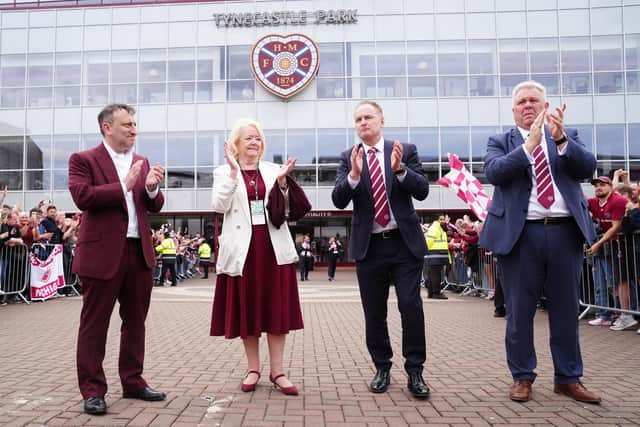

A prime example of this is Tony Bloom’s investment into Hearts. We advised Foundation of Hearts, the fan-owned majority shareholder of Heart of Midlothian PLC, on Bloom's £9.86 million investment for a 29 per cent non-voting stake in the club.
The transaction not only attracted the attention because of Bloom's success at Brighton & Hove Albion, but because it reflected a broader market trend of investors recognising the potential for well-run sporting organisations to deliver sustainable growth through enhanced governance (backed by fan ownership in this case), commercial development and the intelligent use of data and technology.
For Hearts, the investment was also a strategic move as it sought to disrupt the pattern of dominance in Scottish football – an ambition that saw Hearts leading the Scottish Premiership and coming within touching distance of being the first club outside Celtic and Rangers to win the trophy in more than 40 years.
Outside of professional sport, investor interest is growing in leisure businesses that tap into long-term shifts in consumer behaviour. As people across Scotland place more value in experiences, and have a growing interest in health, wellbeing and outdoor pursuits, this creates opportunities for innovative operators – we’ve acted for investors backing the boom in padel; now in rural areas, and not just city centres, and another clear example is the investment into Lost Shore Surf Resort.
As Europe's largest surf park, Lost Shore combines cutting-edge technology with a destination leisure experience capable of attracting visitors from across the UK and beyond. More than £60m was invested in the development, which created 130 local jobs and, in its first year attracted more than 100,000 visitors from 67 countries, and contributed £18m to Scotland's economy. It is exactly the type of experience-led leisure asset that is attracting investor interest – a business built around participation, tourism and unique customer experiences rather than traditional leisure models.
Alongside these developments, investors are increasingly drawn to assets capable of generating multiple income streams and serving a broad range of customer groups. This reflects a wider trend across the market, where the most attractive opportunities are often those cutting across leisure, hospitality, tourism and real estate.
The sale of Port Edgar Marina, which we advised on, highlights this point. As one of Scotland's most significant marine leisure destinations, it combines serviced berths and boatyard facilities with retail, hospitality and commercial tenancy income. The transaction secured the future development of an important Scottish leisure asset while preserving employment and maintaining continuity for the businesses operating from the site. For investors, assets like Port Edgar offer exposure not only to leisure activity but also to wider tourism, hospitality and property-related revenue streams, creating a more diversified and thus resilient investment proposition.
Taken together, these transactions illustrate how the boundaries between sport, leisure, tourism and infrastructure are becoming increasingly blurred. Investors are no longer simply acquiring football clubs, marinas or leisure attractions. They are investing in platforms capable of generating value across multiple channels, whether through visitor experiences, hospitality offerings, commercial partnerships, property assets or digital engagement.
Scotland is particularly well positioned to benefit from these trends. The country's internationally recognised sporting heritage, world-class tourism offering, natural environment and reputation for innovation provide a strong foundation for future investment. From football clubs inspired by Hearts, and seeking strategic growth capital, to destination leisure developments and established visitor attractions, there is a growing pipeline of opportunities capable of attracting both domestic and international investors. Indeed, in the past year we have been advising significant international investors looking to make their first investments into a wide variety of Scottish sports and leisure assets, and this looks set to continue.
Against a backdrop of continued economic uncertainty, high-quality sports and leisure assets remain attractive as they offer something invaluable: loyal communities, distinctive brands and experiences that cannot easily be replicated. As investment continues to evolve, we expect Scotland's sports and leisure sectors to remain an important source of deal activity, creating opportunities for investors, operators and local communities across the country.
Euan Tripp is a partner at legal firm Anderson Strathern
Comments
Want to join the conversation? Please or to comment on this article.