
Fringe Firsts: six more winners of the Scotsman's prestigious theatre awards
Our prizes for new writing premiered at the Fringe are announced each Friday during August - today we’re delighted to reveal our second week of winners.
Over the past two weeks the Scotsman’s team of experienced professional critics have reviewed hundreds of Edinburgh Fringe shows - considerably more than any other newspaper, and more than most publications of any kind that cover the world’s biggest festival.
It is this comprehensive level of Fringe coverage that makes it possible for us to continue running the oldest and most prestigious theatre awards at the festival - the Scotsman’s Fringe Firsts.
The Fringe Firsts were established in 1973 to encourage more people to premiere new theatre writing at the Edinburgh Fringe. Since then they have helped to launch countless stage and screen careers and are recognised across the world as the most important theatre award at the festival.
This year the awards are sponsored by Queen Margaret University Edinburgh and Stagecoach, and we are very grateful to them for supporting us to continue seeing hundreds of eligible shows premiering across the Fringe’s many venues. We are also very grateful to the Pleasance for hosting our three weekly award ceremonies - the third of which, on Friday 22 August, is a public event at the Pleasance Grand with special guest presenter Miriam Margolyes, when you can also find out the winners of other prizes presented by the Brighton Fringe, the Adelaide Fringe, the Mental Health Foundation and more.
HOW IT WORKS
The Fringe Firsts recognise outstanding new writing premiered at the Edinburgh Fringe. Shows in the theatre, dance & physical theatre, and musicals & opera sections are eligible, and winners are announced on each Friday of the Fringe.
There is no set number of winners each week. Shows are privately nominated by The Scotsman’s team of critics, and winners are then decided on by a judging panel consisting of, this year, our chief theatre critic Joyce McMillan (as chair) plus writers Susan Mansfield, Mark Fisher, Jackie McGlone, Sally Stott, David Pollock, Fiona Shepherd and Fergus Morgan.
This week we are delighted to announce six more Fringe First winners.


The Horse of Jenin
Pleasance Dome, 2.20pm, until 25 August
What we said: “In 70 minutes of theatre, storytelling and wild, hilarious comedy, Alaa Shehada confronts the current crisis in theIsrael-Palestine conflict not directly, but through the story of his youth and childhood in the West Bank city of Jenin, home to generations of displaced Palestinians. At the centre of that story is the image of the Horse of Jenin, a fifteen-foot sculpture created out of war debris in 2003, after a previous Israeli Defence Force incursion into the West Bank. The Horse of Jenin is a terrific tale of Palestinian life, laughter and tragedy under unimaginable pressure, and of human lives given a moment of shape and meaning by a fine piece of art. The sheer exuberance of Shehada’s performance is a joy to behold, drawing the audience into the spirit of the show within seconds.”
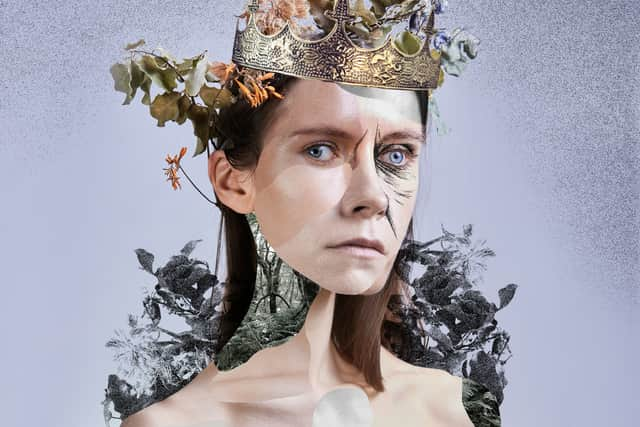
Lost Lear
Traverse Theatre, various times, until 24 August
What we said: “A wonderfully unexpected experience for the viewer... Suffice it to say that Shakespeare’s theme of a feted, arrogant parent in conflict with a child who must tell them who they are and what they’ve done is brought hauntingly up to date... When Lear inevitably begs forgetting and forgiveness for being “old and foolish,” all that’s gone before lends those words striking new power.”
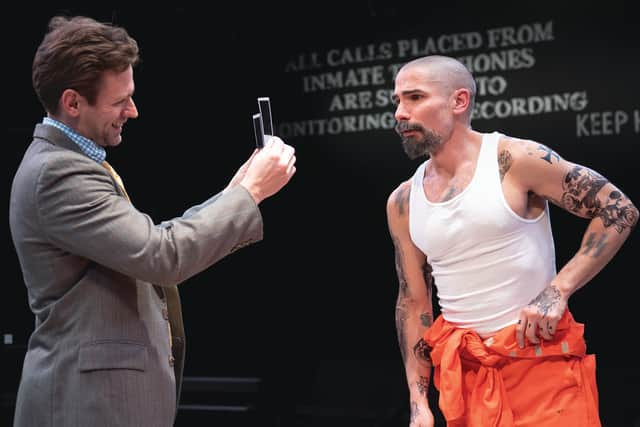
RIFT
Traverse Theatre, various times, until 24 August
What we said: “Based on Gabriel Jason Dean’s real-life experience with a brother in the US prison system, Rift shows a relationship riddled with lies, half-truths, and sudden jagged shocks that can set it back by years, starting with the outside brother’s early failure to acknowledge the sexual abuse they both experienced as children. Yet although the wealth of themes and preoccupations that emerge can be almost bewildering - ranging from the social causes of rising white supremacism, through the lifelong impact of child sexual abuse, to the morality of seeking to make art out of real-life stories that involve the privacy of others - Dean's writing never flags in its utterly gripping sharpness and intensity.”
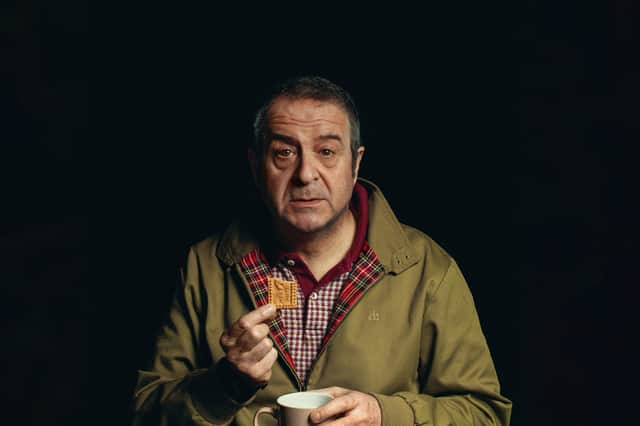
Ordinary Decent Criminal
Summerhall, various times, until 25 August
What we said: “The great British comedian and storyteller Mark Thomas is a past master at combining comedy with serious and violent subject matter; and in his new solo show Ordinary Decent Criminal - written, like last year’s England And Son, by playwright Ed Edwards - he confronts the complexities of life in a northern English prison in the 1990s, as all the cross-currents of a troubled society wash up in the criminal justice system... It offers a strikingly vivid portrait of the UK as it was around the turn of the millennium, as seen from its dark and revealing underbelly; a portrait powerful both in itself, and in the extent to which it captures the forces that still shape our society today, for better and for worse.”

NIUSIA
Summerhall, 1.20pm, until 25 August
What we said: “Australian writer and performer Beth Paterson’s story revolves around her Jewish grandmother Niusia, whom she only knows, in her teens and childhood, as a bad-tempered and permanently angry old lady given to spiteful comments about her own offspring. Niusia loves Beth’s singing voice, though, when she sings romantic numbers from the mid 20th century, or old Jewish songs; and Beth gradually begins to understand that her grandmother is a holocaust survivor, a woman from the Warsaw ghetto who worked at the notorious hospital in Auschwitz under Josef Mengele, and who somehow survived to begin a new life in Australia, as a formidable businesswoman, mother and grandmother. By the end she seems almost to blaze with pride in her inheritance, as part of this line of mighty female survivors.”

Youth in Flames
Zoo Playground, 7pm, until 24 August
What we said: “The protests against Hong Kong’s proposed extradition bill in 2019 and their swift and violent suppression form the backdrop to this powerful one woman play by young writer and performer Mimi Martin, making her solo debut on the Fringe. Martin’s writing is tight and urgent and her evocation of the city and its moods is superb. From Millie’s privileged, shallow perspective, we see seismic shifts taking place: police in riot gear facing down peaceful demonstrators; the rhetoric shifting, linking the protests to rioting and terrorism to justify the use of force. There is no big lightbulb moment for her, just a gradual dawning awareness that the world is not always a benevolent place, and if you want to preserve something important, you might need to fight for it.”
Comments
Want to join the conversation? Please or to comment on this article.