
St Kilda's 'at risk' seabirds inspire musical residency in unique landscape

Six-strong band embark on 50-mile voyage to make new album
It was a voyage which took six intrepid musicians 50 miles off the west coast of the Outer Hebrides to the group of islands renowned for their unique landscapes and wildlife.
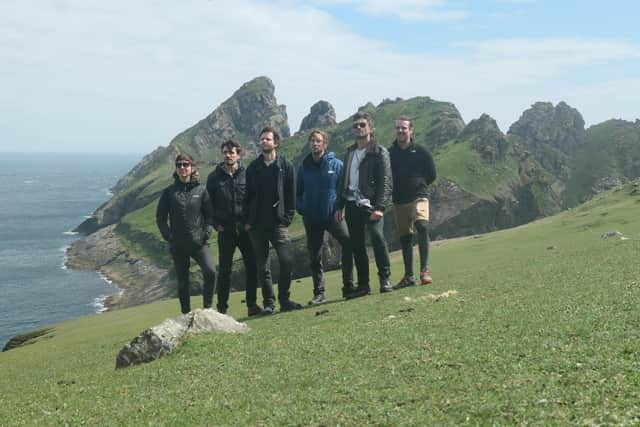
More than 90 years after the last permanent residents were evacuated from St Kilda, they were given special permission from the National Trust for Scotland to spend a week writing and recording an album inspired by the growing threats to the archipelago’s vast population of seabirds.
The music collective Garefowl spent five nights on the main island of Hirta after securing £5000 worth of funding to pay for the trip from a leading music charity.

They plan to use recordings of various seabirds, as well as “found sounds” and effects drawn from rock, bones, turf and under water, for their next album, which is hoped to be released later this year.
Each track on the album will feature original compositions named after cliff-nesting seabirds which can be found at St Kilda, including those that have been under “unprecedented threats” in recent years, including from climate change and the spread of avian flu.
However research carried out last year by NTS staff and volunteers found there had been a 61 per cent decline across four species of cliff-nesting seabirds: fulmars, guillemots, razorbills and kittiwakes since 1999.
NTS, which says St Kilda is home to Europe’s most important seabird colony, last month warned that some species are at risk of “disappearing” from St Kilda forever due to warming sea temperatures and changing currents due to their impact on food change and habitats.
Garefowl were initially formed in 2020 by fiddler Ewan Macdonald to record an album of music to coincide with the 90th anniversary of the evacuation of St Kilda and a “shameful” episode in his family’s history.
His great-great-great uncle, Lachlan Mackinnon, was said to have been part of a group of St Kilda inhabitants who killed the last great auk seabird in the UK, believing it to be a witch which had caused a storm.
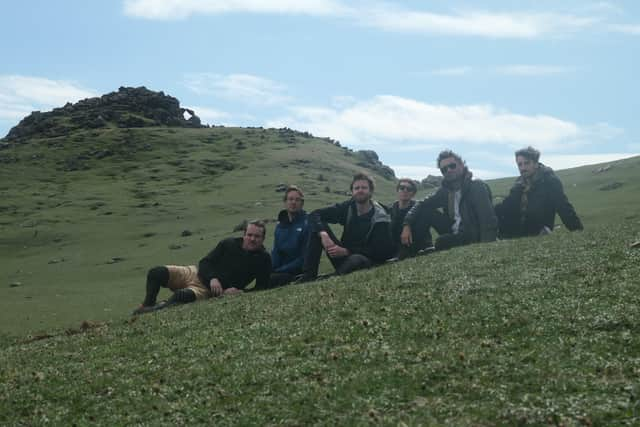
Macdonald and his bandmates Chris Jones, Jess Whelligan, Nathan Bontrager, Richard O’Flynn and Stuart Graham recorded their first album – which was largely drawn from archive recordings and collections of St Kildan music and song – remotely while lockdown restrictions were in place.
Macdonald, from Strathpeffer, in the Highlands, said: “Working on the first album was great and recording it remotely was a really interesting way to work.
"But we felt that to realise our full potential we would really need to there and create music while we were there.
"The aim with the new album is to try and build an emotional connection with the issue of endangered seabirds.
“They are incredible animals who do unbelievable things on a daily basis, but they live out of sight of most people and so don't have as much prominence in the imagination.
"The project is also in part a way to make some kind of recompense for my shameful family history of the killing of the great auk.
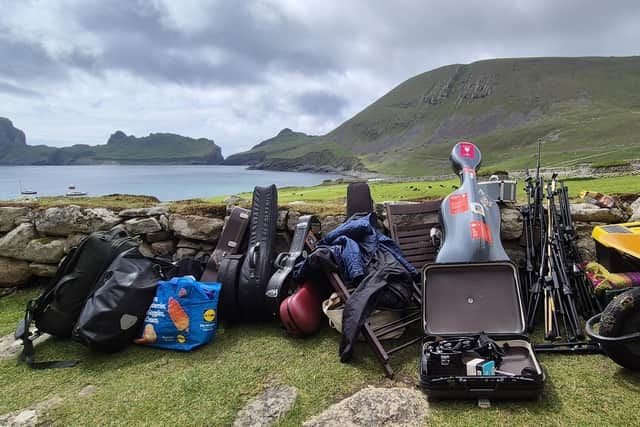
"It took us a while to gather the musical ideas for the album, but the biggest things was getting the funding together, as it’s horrendously expensive to get to St Kilda. We found out in December that we had secured £5000 in funding from the PRS Foundation and then set about trying to work out the logistics.”
Garefowl’s members, who are drawn from across the UK, travelled to Leverburgh, on the Isle of Harris, before making the two-and-a-half-hour journey to St Kilda.
Macdonald said: “We approached NTS before we applied and they very kindly let us book one of the cottages that they use.
"The whole situation with the weather was quite nerve-wracking. We had a two-day weather window to go out there. We were in Harris for a couple of days beforehand, when there were 60 mile an hour winds and we were completely unable to sleep wondering what the hell was going to happen, but it was fine on the first day of our weather window and we were very fortunate to get there.
"It was a really emotional moment for everyone when we began to see St Kilda on the horizon.
"Part of the reason for going there was to soak up the atmosphere. We were all just blown away by the scenery and it was incredible to see all the seabirds wheeling around the cliffs.
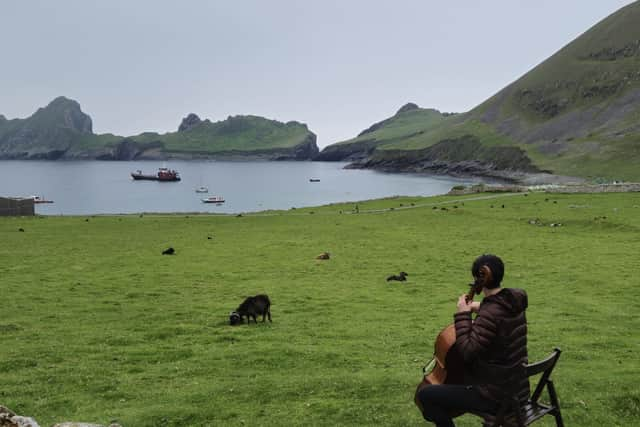
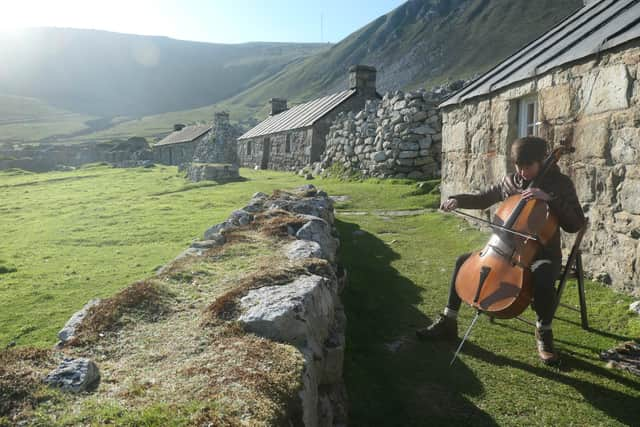
"Most of the time we were holed up in the cottage, writing, arranging and playing, and we also did a lot of field recording. We ended up being incredibly busy.
"We came out of the cottage for a break and it was four in the morning. Seeing the pre-dawn light and all the landscape was unforgettable.
"We had an incredible moment after finishing the last recording at six in the morning. We walked up the hill, the sun was coming up, the sea was perfectly calm and the air was thick with fulmars.
"It was such a privilege to be able to stay there and the whole experience was an absolute dream come true. It will stay with us all for ever.”
Susan Bain, Western Isles manager for NTS, said: “Music can be a powerful medium to connect with people and Garefowl, through their use of traditional tunes and the soundscape of St Kilda itself, are following in a long tradition of composing songs inspired by its landscape and birds.
“The vast seabird colonies on St Kilda sustained the population there for thousands of years and are now recognised as being globally important.
"Sadly, over the past few decades, seabird numbers have decreased dramatically due to the changing world they live in.
"We hope that Garefowl’s music inspires more people to support our charity’s work to care for St Kilda, its seabirds and everything that makes it so special.”
Comments
Want to join the conversation? Please or to comment on this article.