


Robert Burns was born on January 25, 1759, in Ayrshire and is known the world over for his verse, which has earned him the title of Scotland’s national poet.
He is the most prominent of the poets to have written in the Scots language, partly because he favoured a ‘light Scots dialiect’ which is easily accessible to those beyond his home country.
Burns also wrote in standard English, particularly when offering political and social commentary, but remains best loved for his work in his native language – which saw him named ‘the greatest Scot’ after a public vote run by television channel STV.
Traditionally a Burns Supper is held on the Bard's birthday, although the first was held by the poet’s friends at Burns Cottage on July 21, 1801, to mark the fifth anniversary of his death.
Over a meal of haggis, neeps and tatties poetry is recited, such as ‘To a Mouse’ and ‘Address to the Haggis’, with the men making fun of the women in the ‘Toast to the Lassies', before the girls have the last laugh with the 'Reply From the Lassies'.
Here are 10 of the best known poems by Robert Burns.
Read more:
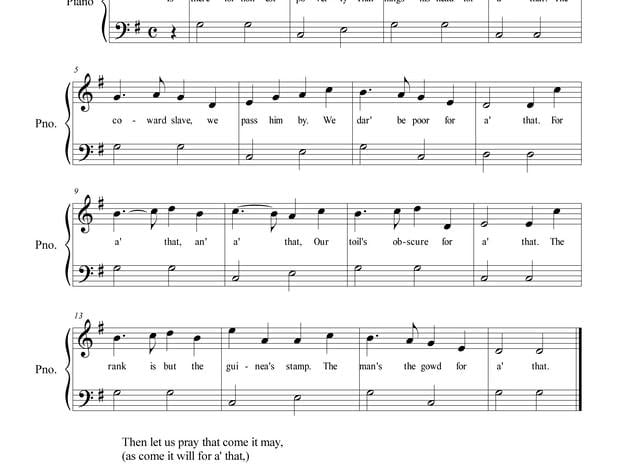
9. A Man's a Man for A' That
Also known as 'Is There for Honest Poverty', 'A Man's a Man for A' That' is Burns' great expression of egalitarianism, reflecting the republicanism that was spreading in 18th century Scotland. Its message that humans shoud not be judged by their social class or wealth still resonates today. Scottish folk singer Sheena Wellington sang the song at the opening of the Scottish Parliament in May, 1999. Photo: Canva/Getty Images
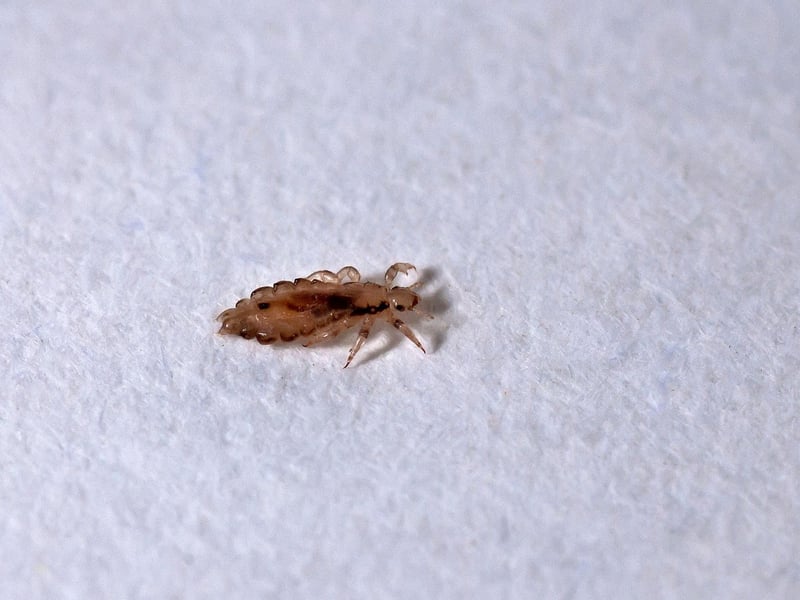
10. To a Louse, On Seeing one on a Lady's Bonnet at Church
An example of the standard Habbie, or ‘Burns stanza’, which Burns used for more than 50 of his works, the subject of 'To a Louse, On Seeing one on a Lady's Bonnet at Church' is self-explanatory. Burns notes that the louse is unable to see how important its host is, before musing on how disgusted the church-goer would be to discover the presence of the parasite. Photo: Canva/Getty Images