
Album reviews: Gorillaz | Peaches | Leigh-Anne | Bill Callahan
New album The Mountain sees Gorillaz offer a light, joyful and multi-lingual reflection on where our souls go after we die, writes Fiona Shepherd
Gorillaz: The Mountain (KONG) ★★★★
Peaches: No Lube So Rude (Kill Rock Stars) ★★★
Leigh-Anne: My Ego Told Me To (Virgin Music Group) ★★★
Bill Callahan: My Days of 58 (Drag City) ★★★★
Damon Albarn and Jamie Hewlett have not always had the most harmonious of relationships but the two creators of Gorillaz were united in grief when their fathers passed away within ten days of each other in the summer of 2024. In response, their ninth album, The Mountain, is essentially a healing ritual, drawing on South Asian practices, instrumentation and imagery.


The result is a light and joyful multi-lingual reflection on where souls go next, recorded in London and around India with their most diverse cohort of co-conspirators yet, from sitar virtuoso Anoushka Shankar to former Clash man Paul Simenon, the redoubtable Sparks to legendary Indian playback singer Asha Bhosle, US rapper Black Thought to Syrian singer Omar Souleyman.
As if to underline their act of remembrance, Albarn has unearthed vocals recorded by Gorillaz collaborators who have since passed away, including Bobby Womack, Mark E Smith, Tony Allen, Dave Jolicoeur of De La Soul and the inimitable Dennis Hopper who mumbles a meditation on the sunlit raga of the opening title track. There is also no mistaking the winning plaintive tones of Albarn (in the guise of Gorillaz cartoon vocalist 2D) on the silky electro pop of The Moon Cave.
Sparks put their idioysyncratic stamp on the suitably cheery portrait of The Happy Dictator. Likewise, The Plastic Guru is another happy mantra tinged with political piquancy. The God Of Lying, meanwhile, is a lowslung dub with deadpan provocation from Joe Talbot of Idles.
As usual, Albarn creates mystical pop alchemy with disparate sounds and tones. Souleyman perks up Damascus in the company of rapper Yasiin Bey (formerly Mos Def), while Bhosle’s instantly recognizable sound is woven around the hangdog delivery of Super Furry Animals frontman Gruff Rhys over the steady pulse of The Shadowy Light. The Empty Dream Machine combines easy listening sitar, forceful rap and mellow soul pop, The Manifesto journeys through light and shade across seven minutes and The Sweet Prince is a charming chiming Beach Boys-style reverie inspired by Albarn’s father’s final days.
It’s back down to earth for the latest Peaches dispatch. No Lube So Rude is another serving of throbbing electro pop viscera with no holds barred as the Berlin death disco diva outlines once again what she expects, desires, prefers and aspires to in the spectrum of sexuality. She sounds as fluid and free as ever in her post-menopausal state, calling out controlling behavior while suggesting that the world might be a less fractious place if we all remembered to lubricate the debate.
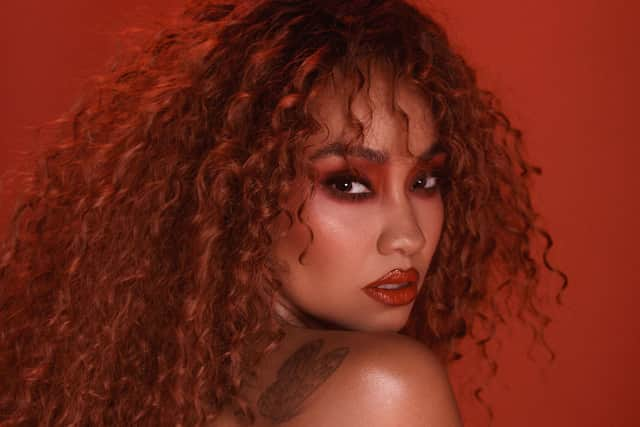
While her former bandmate Jade Thirlwall appears to have scooped the post-Little Mix limelight, Leigh-Anne Pinnock’s solo pitch has been stuck in development. Now that her debut album is here, it’s clear where she is coming from. My Ego Told Me To is shot through with reggae, dub and Jamaican dancehall influences, in keeping with Pinnock’s Caribbean roots. She starts strongly with the electro dub and ska track Look Into My Eyes, the Rihanna roots reggae-meets-R&B of Dead And Gone and Beyonce warrior sentiments of Revival but gets bogged down in fluttery ballads to diminishing returns.
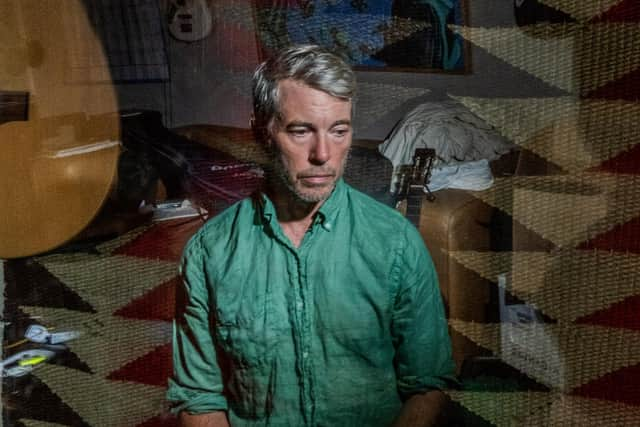
The marvellously lugubrious Bill Callahan imparts more bass-baritone wisdom on his latest outing, adding woodwind and saxophone to his signature indie Americana mix, sketching his droll vignettes with eloquent economy. On the contented Johnny Cash-like spoken word meditation Pathol O.G. he recalls “one girl in East Tennessee, where girls in songs always seem to be”. Stepping Out For Air sets out as a one chord strum but emerges as a timeless tune, Empathy is a simple and effective ode to his children, and he cautions “this machine’s become the village guillotine” on Computer like some avuncular oracle.
CLASSICAL
Strauss: Elektra (Chandos) ★★★★★
Declared “a horrible din” by one critic after its 1909 premiere, Richard Strauss’ single-act opera Elektra is, without doubt, an intensely harsh, at times apocalyptic, score, “horrible” merely in the emotionally harrowing sense. A new recording by the Bergen Philharmonic under its honorary conductor Edward Gardner makes the strongest case for its vehement, agonising passion. At its heart is an orchestra revelling in the wildest extremes of post-Wagnerian expression – an engine room firing on all cylinders, fuelled by a cocktail of gnawing dissonance, spine-chilling late Romanticism and unstoppable momentum. Among a well-integrated cast, the fatalistic tension between sisters Elektra and Chrysothemis is grippingly captured by sopranos Iréne Theorin and Jennifer Holloway; the sinister tones of mezzo Tanja Ariane Baumgartner serve up a dark Klytämnestra; Scots bass-baritone Iain Paterson asserts a potent noble detachment as Orest. Elektra’s demonic death dance arrives with cathartic inevitability. Ken Walton
JAZZ
Tim Garland & Geoffrey Keezer: Mezzo (Tim Garland Music) ★★★★
Two redoubtable jazz names, Saxophonist Tim Garland and pianist Geoffrey Keezer, resume their 25-year musical friendship in this sparkling live studio session, with Garland forsaking tenor saxophone for the rarely heard mezzo-soprano instrument, switching to regular soprano for two tracks. The pair open in mercurial form with Chick Corea’s La Fiesta, Garland’s sax swirling and squalling against athletic piano while a Garland composition, To the One Who Flies, features similarly cut and thrust duetting. Erik Satie’s Gnossienne No 1 sees sax and piano both respond persuasively to its haunting peregrination before taking off on their own improvisational paths while the Cole Porter classic Every Time We Say Goodbye opens meditatively on piano before sax floats in winsomely. There’s a melancholy, tango-like progression to Keezer’s Ghost in the Photograph before The Waves Between closes with a beguiling ebb and flow of its own. Jim Gilchrist
The Scotsman’s arts newsletter is now sent twice a week - subscribe today
Want the latest Scottish headlines sent directly to your phone? Sign up to our new WhatsApp channel here.