


There are 6 World Heritage Sites in Scotland, these include St Kilda, Edinburgh’s Old and New Towns, New Lanark, the Antonine Wall, the Heart of Neolithic Orkney and most recently the Forth Bridge.
As Nature Scot puts it, a World Heritage site is recognised as such for being “an area with natural and/or cultural heritage of outstanding universal value” and Scotland has no shortage of sites that represent tremendous cultural and historical significance which is why it has earned other UNESCO nominations previously.
After we asked you, our Scotsman readers, ‘What Scottish sites do you think deserve UNESCO status?’ you offered a wealth of responses that we’ve compiled into the following.
Here are 9 Scottish locations that could be UNESCO World Heritage Sites according to Scotsman readers.
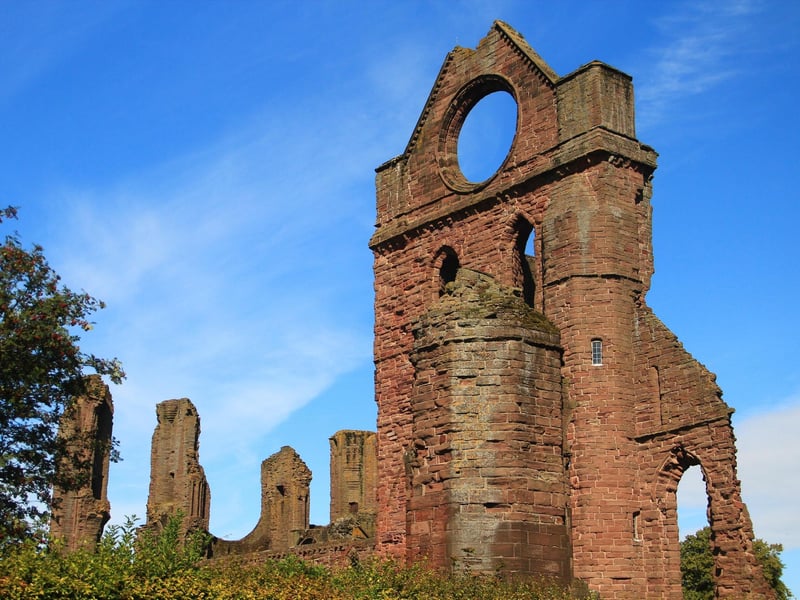
5. Arbroath Abbey
Founded in 1178 and consecrated 21 years later, Arbroath Abbey has played a significant part in Scottish history. The now ruined sandstone building was the site of the declaration of Arbroath - a declaration of Scottish independence made in 1320. MSP Alex Johnstone described the declaration as “a literary work of outstanding universal significance” in 2005, when a campaign was launched to earn the Abbey World Heritage status. Photo: misterbike via Canva Pro
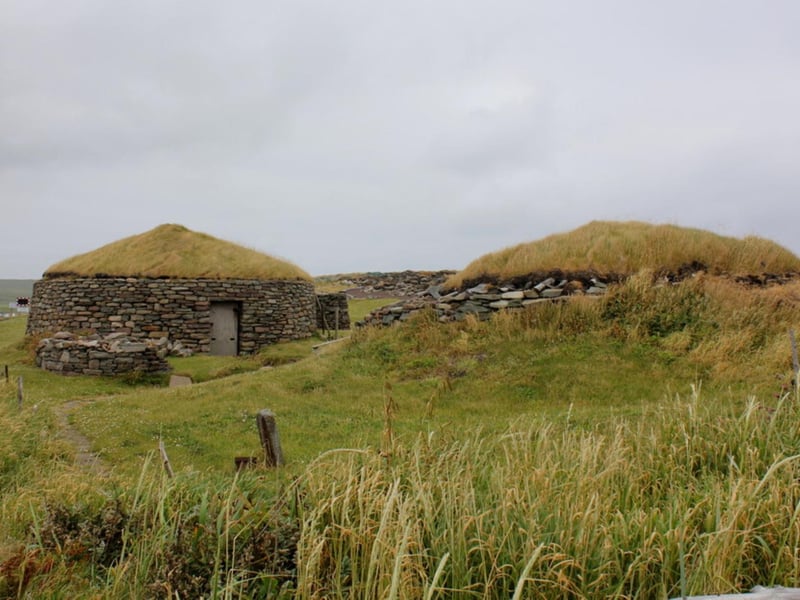
6. Shetland’s Iron Age Settlements
The iron age settlements of Mousa, Old Scatness and Jarlshof are also under consideration for World Heritage recognition. Situated on the south of Shetland, the immaculately preserved drystone homesteads “provide some of the most significant examples of the European Iron Age in an area outside the Roman Empire”, according to UNESCO. Photo: Jo and Steve Turner via Geograph
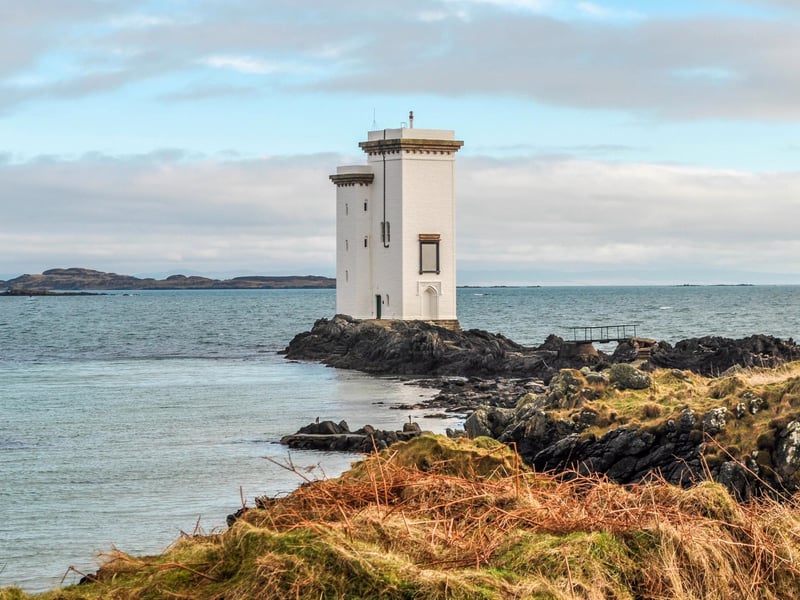
7. The Isle of Islay
The majestic Isle of Islay is home to flint arrowheads dating from 10,800BC some of the earliest examples of human presence in Scotland, as well as remnants of ancient crannog settlements. The island is also concentrated with some of Scotland’s oldest whisky distilleries. Bowmore distillery, allegedly founded in 1779, claims to be the oldest existing distillery in Scotland, though this claim is disputed. Even without Bowmore’s claim, however, Islay’s whisky-rich history is worthy of recognition by UNESCO, given the drink’s popularity. Photo: michaelhb81 via Canva Pro
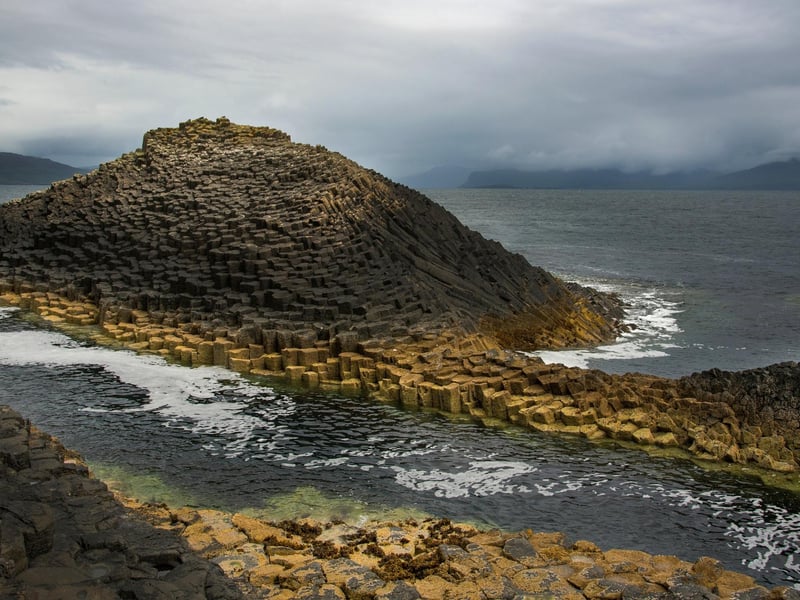
8. The Isle of Staffa
Over the years the unique Isle of Staffa has provided inspiration for poets and writers, with visitors including Queen Victoria and Felix Mendelssohn. The most prominent feature on the island is Fingal’s Cave, a sea cave made up of hexagonal columns of basalt: one of the most stunning sites in all of Scotland. The Giant’s Causeway in Northern Ireland - a similar formation of basalt - has already been recognised by UNESCO. Surely the Isle of Staffa and Fingal’s Cave are also worthy of inclusion? Photo: Marek Baranowski / 500px from Getty Images