
Scotland Pacific tour debrief: four things we learned including coaching rejig and endangered species
The key takeaways from the trip to New Zealand and Fiji

Gregor Townsend picked a squad he described as “almost as strong as possible” for Scotland’s summer fixtures and came away with two wins and a defeat from the Pacific tour.
The 29-26 victory over the Māori All Blacks in the opening match in Whangārei was a notable success and their first over opponents they had twice lost to previously. However, it was a non-cap game and did not count towards World Rugby’s rankings.
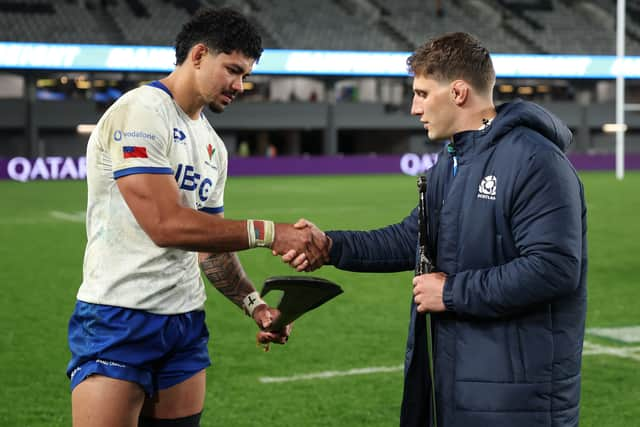

Scotland then travelled to Fiji for the game Townsend had identified as the toughest of the tour. It turned out that way, with the Scots soundly beaten 29-14 in Suva. They returned to New Zealand for the final fixture and enjoyed a convincing 41-12 win over Samoa at Eden Park.
Here’s what we learned from the three-game tour.
Coaching rejig on the cards
The tour brought the curtain down on Steve Tandy’s involvement with Scotland after almost six years as Townsend’s right-hand man. Tandy will take over as Wales’ new head coach on September 1 and leaves big shoes to fill. Appointed as Scotland defence coach in December 2019 to replace the Australia-bound Matt Taylor, Tandy’s work with the national side has been rightly lauded and he was seconded to the Lions with Townsend on the 2021 tour to South Africa.
Scottish Rugby chief Alex Williamson hopes to have a replacement in for the autumn internationals which begin on November 1 against USA at Murrayfield and continue with the visits of New Zealand, Argentina and Tonga.
Tandy has turned defence into one of Scotland’s key strengths and Williamson and Townsend will cast the net wide in their search for a successor. Townsend, meanwhile, was guarded about his own future at the conclusion of the tour.
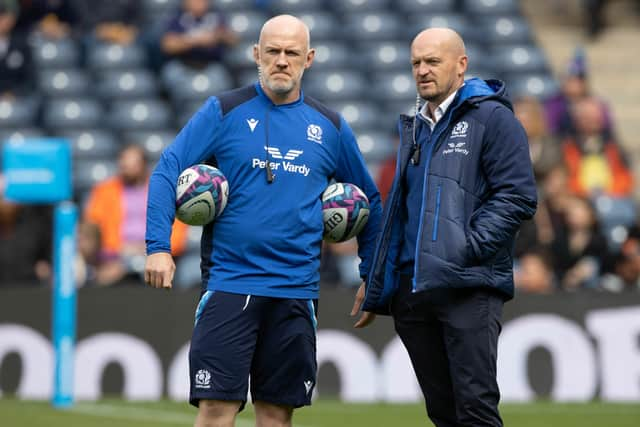
His contract runs out in April next year and Williamson has indicated he would be keen for the head coach to extend his stay. Talks were planned in New Zealand and Townsend said he expects further discussions “after the summer”.
He has been in post for eight years and refused to say if he wanted to remain beyond the end of the 2026 Six Nations.
Rankings setback
Scotland went into the summer tour ranked seventh in the world, with Townsend looking to climb into the top six ahead of the draw for the 2027 Rugby World Cup which will take place in December this year.
A win over Fiji would have helped but the defeat in Suva saw Scotland drop to eighth, below Argentina.
Being in the top six ahead of the draw is important because it means you will be in the top pot of seeds and should, theoretically, be placed in an easier group at the revamped World Cup in Australia. The expanded tournament will see the 24 teams drawn into six pools of four, with the top two from each group plus the four best third-placed sides advancing to the round of 16.

As things stand, Scotland would be in the second band of seeds and would have one of rugby’s big guns in their groups but they have the four autumn games to try to improve their ranking, including, most crucially, the match against Argentina on November 16.
Building squad depth
With Finn Russell, Sione Tuipulotu, Huw Jones, Duhan van der Merwe, Blair Kinghorn, Pierre Schoeman and Scott Cummings in Australia with the Lions and Zander Fagerson sidelined by a calf injury this was a tour to test Scotland’s strength in depth. More players crossed the Tasman Sea as the tour progressed, with Ben White and Darcy Graham leaving the Scotland camp to link up with the Lions as injuries took their toll. Ewan Ashman, Rory Sutherland and Gregor Brown have now also been summoned by Andy Farrell, swelling the number of Scots in his squad to 12.
The absences were most keenly felt in the backline. Russell and White have been Scotland’s first-choice halfback pairing for some time and this tour was an opportunity for Fergus Burke and Jamie Dobie to step up. Burke, the New Zealand-born Saracens stand-off, came off the bench in the non-cap Māori game then started against both Fiji and Samoa, impressing with his defensive work in particular against hugely physical opponents. He kicked well in the Fiji game but less so against the Samoans and had to go off after an hour with a head injury.
Dobie was first capped in 2021 but this tour afforded the Glasgow Warriors player the first opportunity to start for Scotland in his preferred position of scrum-half. He was particularly impressive in the first half against Samoa before switching to the wing after the break. With George Horne also excelling in the Māori match, Scotland are blessed when it comes to talent in the nine jersey.
Rory Hutchinson was another who took his chance on tour. The Northampton Saints centre has been lightly used by Scotland over the years but was creative and effective in the wins over the Maori and Samoa alongside Stafford McDowall. Hutchinson probably benefited from not being involved in the Fiji game where Cam Redpath struggled to make an impression.
In the pack, Andy Onyeama-Christie and Cameron Henderson made welcome returns from injury while Matt Fagerson probably needs more minutes to get up to speed after a long lay-off. Fin Richardson won his first cap but strength in depth in the prop roles remains a concern.
Tours an endangered species
As things stand, the Nations Cup will begin next summer. The new Test-match league is designed to add more structure to international rugby and will be played every two years when there is no World Cup or Lions tour. Northern hemisphere teams will travel to play three matches in the southern hemisphere in the summer and then host three touring southern hemisphere sides in the autumn.
The last weekend in November will be reserved for a finals series, where the top-ranked European side will face the best-placed team from the rest of the world to determine the Nations Cup winner. Five other cross-hemisphere matches will determine minor places.
This more rigid format is likely to make tours such as the one Scotland have just completed more rare. Townsend espoused the off-field benefits of visiting Fiji in particular, citing school visits and other community initiatives.
The good news is that Fiji will be part of the new Nations Cup but the likes of Samoa will have to fight it out in a second tier "challenger" competition, although there will be the chance to win promotion.
Comments
Want to join the conversation? Please or to comment on this article.