
Mike Tindall’s messy R360 franchise plan should have rugby fans running for the hills
It could be about to get messy as rebel league hits back at traditional stakeholders

Money has always been the fuel that drives professional sport, but rugby’s guardians need to tread a fine line between using fresh investment to grow the game and protecting the things that give it its unique appeal.
The Six Nations, English Premiership and URC were all happy to get into bed with CVC Capital Partners, a Jersey-based private equity firm which has pumped millions in the sport.
And it’s not an exaggeration to say that the CVC cash bailed out several clubs and national governing bodies when the turnstiles stopped clicking during the dark days of Covid.
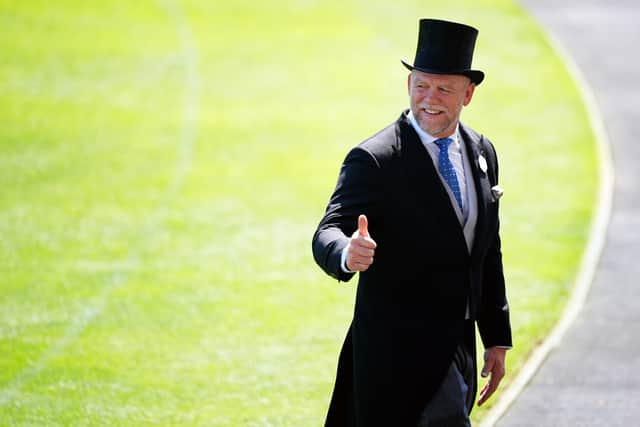

These same unions are now railing against R360, the rebel league that has seed funding from venture capitalists and a number of other investors.
Scottish Rugby joined forces with the national bodies of New Zealand, Australia, South Africa, Ireland, England, France and Italy on Tuesday to release a statement “advising” their men’s and women’s players that participation in R360 would make them “ineligible for international selection”.
Potential to tear the sport apart
R360, which is being fronted by the former England international Mike Tindall, say they want to “work collaboratively” with the traditional stakeholders and will release all players for international matches. In fact, this will be written into their contracts.
A counter statement released by R360 said: “Our philosophy is clear – if players want to play for their country, they should have that opportunity. Why would the unions stand in their way?”
It’s messy and this is only the start. And as we’ve seen with football’s doomed European Super League and golf’s LIV circuit, these types of money-driven breakaways have the potential to tear sports apart.
Bad blood, civil war, internecine conflict - call it what you like but the game itself rarely seems to benefit from such lucre-soaked ventures.
The unions will view R360 as greedy disruptors who threaten the traditional hegemony. The less well off governing bodies, such as Scottish Rugby, can ill-afford to see its revenues reduced by external raiders casting covetous eyes on the likes of Finn Russell and Blair Kinghorn.
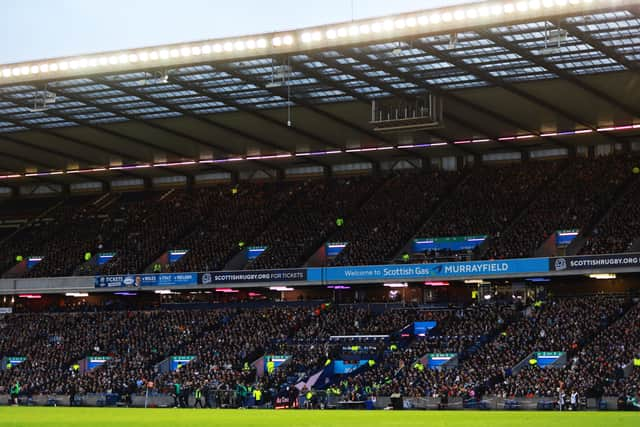
The sport in Scotland is propped up by the national team whose ability to sell out Murrayfield on such a regular basis is a testament to the way the team plays and some pretty nifty marketing.
Invented teams with whacky suffixes
Detail on R360 is scant but the dreaded word “franchise” is liberally used whenever the breakaway league is mentioned, which should be enough to have most rugby traditionalists running for the hills.
Invented teams with whacky suffixes can be a turn off for many. It might work in the IPL but the thirst for cricket in the subcontinent is seemingly unquenchable. LIV Golf, funded by the Saudi Public Investment Fund, is awash with money but it would be a stretch to say it has been clutched warmly to the bosom of golf supporters.
LIV teams such as Iron Heads, Majesticks, RangeGoats and Torque GC mean little to the wider sporting public and I suspect Tindall’s proposed franchises might suffer the same fate.
Some would argue that the modern Edinburgh and Glasgow rugby teams are also franchises but they at least have their roots in the old district sides that represented those cities.
Most sports fans value history and tradition and I’m not sure Tindall’s teams would have terribly much appeal north of the border.
There is also the added complication that he is the son-in-law of the Scottish Rugby Union’s long-serving patron. A penny for the thoughts of the Princess Royal.
Comments
Want to join the conversation? Please or to comment on this article.