
Scotland caught up in World Cup ticket scandal as empty seats and 'discreet' Fifa move predicted
One Scotland ticket listed on resale site for £44,000 - and Fifa are cashing in

While pre-World Cup entertainment once involved filling up sticker books or preparing to complete wallcharts, now it takes the form of logging into secondary sales sites to find the most obscenely priced ticket.
It’s perversely thrilling to unearth, as someone did last week, a ticket for sale at nearly $1 million for, yes, a Uruguay group game. Scotland matches are not immune when it comes to ticket brokers chancing their arm. A ticket for the Group C game against Brazil in Miami was recently identified on a re-sale site as costing £44,000, with FIFA due to rake in a 15 per cent cut. This particular Category 2 ticket was originally on sale for a not inconsiderable sum of £273.
Category 1 World Cup final tickets, meanwhile, have just been released costing a cool $10,000 (over £8,000). It feels like a redundant exercise even bothering with currency conversion. In pounds, dollars or pesos, the message from supporters is clear: stop the count.


Politicians are motivated, some slightly belatedly, to join the chorus. John Swinney has written to Fifa to request they not only stop the count but reverse it. Scotland’s First Minister noted that the international side’s return to the World Cup “has been marred by Fifa’s dynamic pricing model that has made the trip unaffordable for so many loyal supporters”. He has urged Fifa to consider “fair pricing” which, upon reflection, illustrates just how far through the looking glass we have come. Here we have a leader of a participating nation asking world football’s governing body to think about reasonable ticket pricing, as if the thought hadn’t already crossed their mind – which it probably hasn’t.
Swinney is completely right of course. But it’s ludicrous he even has to say this. And it’s scandalous that he knows, and we know, such appeals will likely be ignored. There are now just ten weeks until the tournament kicks off.
Scotland’s World Cup return unlikely to sell out
When it ought to be excitement going through the roof in anticipation, it’s actually ticket prices. It always seemed likely that tickets would be the story of this World Cup. Nothing has happened since they first went on sale to change the view that this issue will remain the overarching one at this tournament. Stubhub and Seatgeek and Biletwise, secondary sales sites, are now watchwords. Forget Panini. Forget the mascots.
There seems a reasonable chance that Scotland v Haiti—Scotland’s return to this stage since 1998 and Haiti’s first World Cup game since 1974—will be staged at a stadium in Foxborough that isn’t sold out, which feels like an outrage. Interest is incredibly high. However, ticket prices are higher. Scotland manager Steve Clarke has already urged Tartan Army members to avoid incurring huge debt just to support the team. These warnings are being delivered from an HQ that has recently been rebranded as Barclays Hampden. Jim McCarthy, a Los Angeles based ticketing marketing guru, might appreciate the irony.
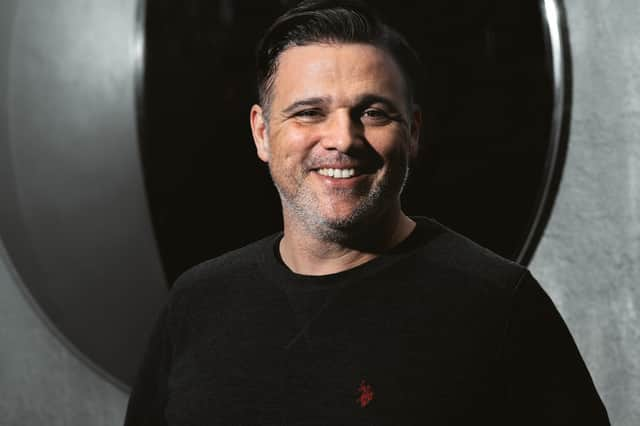
“It’s a shocking statement really, it’s sad it has to be said,” says McCarthy, the founder of Impresario Strategic Growth Service, when Clarke's sensible words are put to him.
He advises football clubs globally on building matchday audiences and revenue and has just returned from a trip to Scotland to work with St Johnstone. A Saints scarf is conspicuous behind him as he joins The Scotsman for a chat via video link.
Before the conversation turns to filling McDiarmid Park, we must address what some might expect to be the far easier task: getting bums on seats at a World Cup described by Gianni Infantino, the Fifa president, as “the greatest event humanity has ever, and will ever, see”. McCarthy is at pains to point out that he has no special information about Fifa's inner workings.
FIFA claims it has received over 500 million ticket requests for seven million tickets. According to an article in The Athletic late last month, perhaps as many as half that number of tickets remain available. Infantino has also spouted some elated rhetoric about the World Cup being the equivalent of “100 Super Bowls”. McCarthy smiles at this. “It’s not 100 Super Bowls…it’s two or three, right? The final and the semi-finals are probably Super Bowls.
“This group stage is not the group stage as we all know it because they’ve expanded the field,” he adds. “There are 104 matches and a lot of the group stage matches do not jump instantly off the shelf to people. There’s a different approach to marketing Curacao.”
And Scotland against Haiti? Surely that’s a tough sell at the prices quoted in a near 65,000 capacity stadium? “If it weren’t for the Tartan Army, I’d say it would be,” he says. “I know so many Scotland fans who are just so ready to be there. It’s early in the tournament and Boston is a good sports market. I don’t know if there’s a large Haitian contingent in New England. Obviously it’s not a wealthy country, so there’s unlikely to be thousands travelling.”
The Tartan Army are resilient, and many are disregarding Clarke’s words about not getting into debt. Even so, the stadium will rely on the neutrals market to be filled. “I think it will look good but probably not quite sell out,” says McCarthy.
“There’s no reason for that because there’s certainly enough demand. Demand at a given price, though, is what really counts, because people are making a decision on the prices in front of them. It’s not in the first tier of games from a neutral’s point of view. I mean, I love Scott McTominay, but he is not in the top ten of fan favourites worldwide. In Italy, yes. In Napoli, yes. But neutrals come for big players, they come for big rivalries. They come for the Germanys and Brazils, that kind of thing.”

Fifa will need to make pricing ‘adjustments’
McCarthy’s view on the World Cup is blunt: ticket prices are structurally too high. Despite the interest, he predicts FIFA will face real challenges filling “inventory” across group-stage matches. He believes FIFA will either need to adjust pricing expectations - and learn from last summer’s well attended Club World Cup - or risk visible empty seats throughout the group stage and Round of 32. Fifa have already backed down to a certain extent, finding enough tickets down the back of a plush leather Zurich sofa to give 500 fans per team per game access to special “supporter entry tier” tickets for $60 (£45).
This was in response to a wave of revulsion at prices when the first sales phase was launched in December. McCarthy believes further ‘adjustments’ might be in the offing.
“I think whether it is loud or quiet they (Fifa) will probably be looking at prices in different matches in different categories and quietly changing them,” he said. “That’s the other side of dynamic pricing. You need to adjust to reality as time goes on.
“But it is going to take a lot of active management. That is the term I use: active management. I suspect they are doing that and they are trying to do it in a way that is somewhat discreet and targeted. That’s likely what they are doing and is what they should be doing.”
One burning question is whether he has tickets for any games. Not yet, he says. “The USA team has two of its matches here in LA, so I will try and make it to both of those.” And how much is he willing to pay? “Oh man…if I can’t find a good ticket price for a game I want to see, then what I have been doing with my life for the last 20 years?!”
He says he isn’t in the business of paying $2,000 for tickets, which is why he's happy to advise clubs like St Johnstone on creating audience growth. One of the key areas is what he terms “price architecture”. He makes it clear he is talking generally, not just about St Johnstone. “Sometimes there will be a very large section of seating at the same price and some of those tickets are not quite as good and maybe those need to get priced down,” he says, which sounds like good common sense - and something Celtic FC ought to note when it comes to their away seating area.
If it was about creating passion for the game, then Scottish football – likewise Fifa – might have a problem. It’s more about calling out obvious attempts to take advantage of this fervour. McCarthy has already discerned a reset in strategy. Some good might actually come from Fifa’s approach to ticketing at this World Cup and the adverse reaction.
Roll on Euro 2028. By already announcing a freeze on ticket prices ahead of the tournament and stating an intention to ensure a greater percentage of stadium tickets are affordable, McCarthy has noticed Uefa making a very deliberate attempt to differentiate themselves from Fifa. "They are saying, 'We are this, they are that,'" he says. "It's an interesting standpoint. Whether Fifa responds, we will find out."
Comments
Want to join the conversation? Please or to comment on this article.