
Dame Penelope Keith's fight to open tearoom in Highland village - and how saga ended

Community leader describes “gentle irony” of The Good Life actor’s involvement in planning dispute
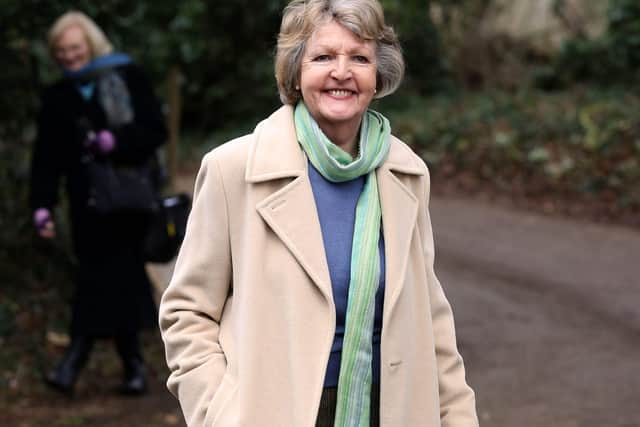
Dame Penelope Keith fought and won a long battle to open a tearoom in a Highland village which had initially divided local opinion - but then decided instead to gift the site as a public garden.
A community leader said there was “perhaps a gentle irony” in the outcome of the saga for Avoch on the Black Isle considering the actor had become famous for the 1970s BBC comedy The Good Life “about neighbours, community tensions and different ideas of how places should be lived in”.


Dame Penelope, who has lost her battle against cancer, and her husband Rodney Timson, who had a holiday home in nearby Fortrose, had sought to open the tearoom on the derelict site of a former filling station, paying £79,000 for it in 2005.
They won planning permission six years later after initial opposition from some villagers led to significant changes to the scheme, which appeared to have won them round.
It led to a planning appeal and also a police inquiry into a petition against the scheme after it emerged that a number of signatories were dead.
In 2012 the couple announced plans for a revised application that involved a more traditional building and said they hoped to open the following year.
Avoch & Killen Community Council (AKCC) said it had no record of why the couple did not pursue their plans, but said a cafe had since opened on the High Street opposite.

Chair Fraser Brunton said: “Dame Penelope will be remembered nationally as one of the great figures of British television and theatre, but locally she is also remembered for her long association with the Black Isle and for the interest she and her husband took in Avoch.
“Dame Penelope’s public image was often associated with poise, wit and a certain comic grandeur. However, her connection with this part of the Black Isle was more practical and local than that.
“She and her husband became familiar figures in the area and were associated with proposals to bring a café to the former filling station site on the High Street.
“At the time, as often happens in small communities, the proposal attracted different views. Avoch is a historic fishing village with a narrow High Street, limited parking and a strong sense of place.

“Residents were understandably concerned that any new development should fit the village, respect its setting and avoid adding to local pressures.
“At the same time, there was also a clear opportunity to improve a prominent site and create something that could serve both residents and visitors.
“Dame Penelope’s association with the early café proposals is now part of the story of how a previously difficult site became linked with a positive and much-loved local landmark.
“There is perhaps a gentle irony in that. Dame Penelope became famous through The Good Life, a comedy about neighbours, community tensions and different ideas of how places should be lived in.
“Avoch’s own debate about a café was never a television comedy, but it did reflect something real about village life: people care deeply about what happens in their community, especially when development affects the heart of the village.”
Comments
Want to join the conversation? Please or to comment on this article.