
Why ‘circular’ jobs are vital for the Scottish economy
A circular economy isn’t just a nice-to-have, writes Ciaran McGuigan, it’s a matter of economic resilience and security
If a washing machine breaks or a phone screen cracks, or a car starts making worrying noises, our first instinct is rarely to throw it away – for the things important to our lives, we usually find someone who can fix it.
For thousands around Scotland this is an everyday experience. Keeping our products and equipment working by fixing cars, refurbishing electronics, restoring furniture, repairing machinery, and salvaging valuable materials that might otherwise have been thrown away – all perfect examples of Scotland’s circular economy in action.
The term ‘circular economy’ isn’t part of most people’s day-to-day language, but it’s something most of us interact with regularly without realising. In fact, we contribute to it daily.

Specialist terminology can result in misconceptions about what things mean and how they apply to us. The circular economy is no different. For example, it’s often thought of as a recycling or waste management issue – what we do with products when they’re of no more use to us. But really, the circular economy is about so much more.
At its heart, it’s the answer to problems that come from a ‘take, make, waste’ way of living – extracting resources, manufacturing products, discarding them once they’re used.
In a circular economy we repair products and extend their lifespan, keeping materials in circulation for longer to protect our planet’s finite resources. New analysis from Zero Waste Scotland has found this isn’t just a nice-to-have – it’s a matter of economic resilience and security that’s already happening.
Around 56,000 people in Scotland already work in identified circular roles. These aren’t just ones with “environment” or “sustainability” in their title. Circular workers make up 2.6 per cent of Scotland’s workforce in sectors focused on repairing, reusing, leasing and remanufacturing products to keep them in use longer. Automotive repair for example accounts for around a quarter of circular jobs in Scotland – helping underpin our country’s economic productivity.
And these circular sectors are a significant economic engine. In 2021 they contributed around £4 billion to Scotland’s GDP, comparable in our research to more traditionally recognised sectors like food and drink and our spirits and wine industry. And they’re highly productive, generating £37.33 in economic value per hour worked, nearly £5 more than the Scottish average.
We recognise strong demand for skilled workers in these sectors, with high salaries (an average of around £39,500 a year) and elevated overtime levels. Arguably, this implies demand for skilled workers already outpacing supply, a potentially early sign of a circular skills shortage.
We live in an uncertain world, and circularity is no longer purely an environmental issue. It’s now an economic imperative. Circular businesses keep economic value rooted in communities, supporting small businesses and strengthening regional supply chains. They encourage innovation and investment by pushing companies to design products and systems that keep materials in high value use for longer. To do this well, they need our ongoing support.
For Zero Waste Scotland, part of that is helping businesses understand how circular approaches can work in practice and for them. Our newly-launched Business Information Hub does just that, giving organisations the practical tools, examples and guidance to explore circular opportunities within their own operations.
Our planet’s resources are not infinite, and without our circular workforce keeping them in use for years to come Scotland’s economic security would be at risk. We need to recognise and understand their value and invest in circular infrastructures to enable them to thrive.
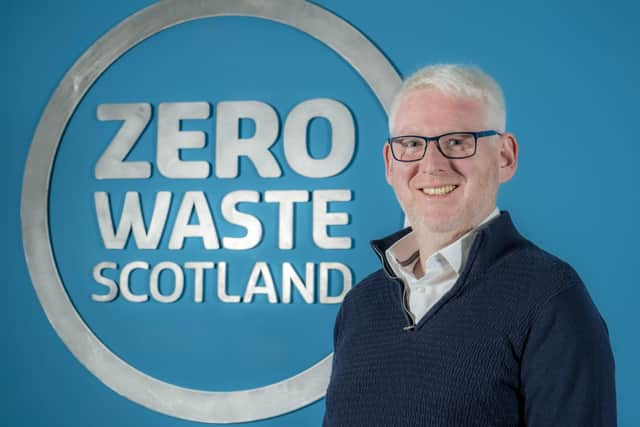
Ciaran McGuigan, Chief Executive of Zero Waste Scotland
Comments
Want to join the conversation? Please or to comment on this article.