
Rachel Reeves: UK economy unexpectedly shrinks - here is what it means for the Chancellor and interest rates
Chancellor Rachel Reeves has described the latest figures show a contraction of the UK economy as ‘disappointing’.
Chancellor Rachel Reeves has been dealt a fresh blow, with the UK economy contracting unexpectedly in May, marking the second month in a row of falling output.
The Office for National Statistics (ONS) said gross domestic product (GDP) contracted by 0.1 per cent in May, following a 0.3 per cent drop in April. Most economists had expected the economy to rebound with slight growth of 0.1 per cent in May.
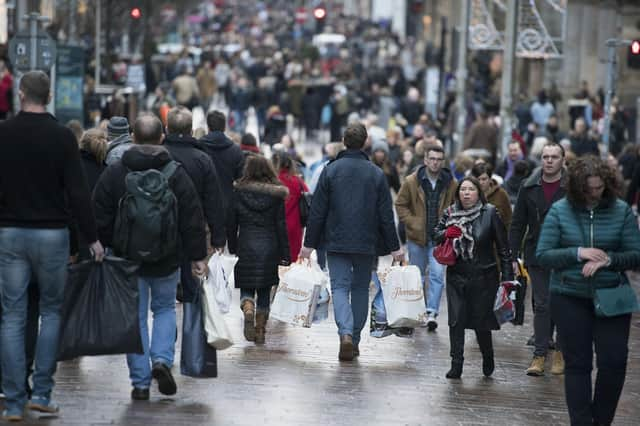

The economy could now be heading for a contraction overall in the second quarter of the year, which would be a blow to Ms Reeves and the UK government’s key priority to drive economic growth.
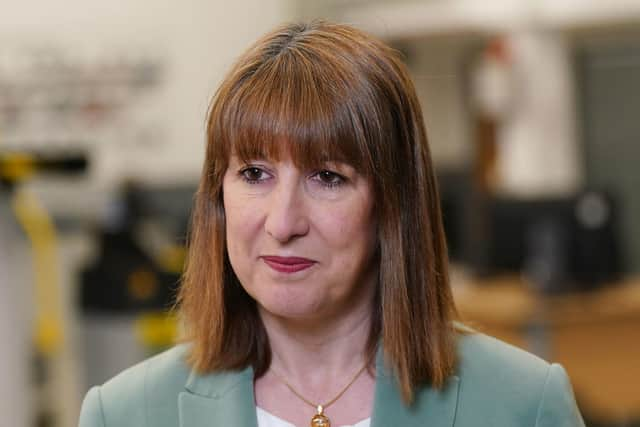
Ms Reeves said the figures were “disappointing”, but renewed her pledge to boost economic growth.
She said: “Getting more money in people’s pockets is my number one mission. While today’s figures are disappointing, I am determined to kickstart economic growth and deliver on that promise.”
If GDP fell by 0.4 per cent or worse in June, it would mean the economy overall contracted in the second quarter.
Shadow chancellor Mel Stride said the May GDP figures would “pile even further pressure for tax rises in the autumn”. Experts said the weak May figure reinforced views the Bank of England would cut interest rates in August.
Suren Thiru, economics director at the Institute of Chartered Accountants in England and Wales (ICAEW), said: “The UK’s growth trajectory in the near term is likely to tilt downwards as any uplift from higher consumer and government spending is hampered by escalating business caution, amid fears of further tax rises in this autumn’s budget.
“The lack of momentum in the UK economy indicated by these sluggish figures means that an August interest rate cut currently looks inevitable, despite the recent spike in inflation.”
The ONS data shows GDP was weighed on by the manufacturing sector, which suffered another steep decline in activity, and falling construction output.
Activity in the manufacturing sector dropped 1 per cent, following a steep fall in April, having surged earlier in the year as US importers stocked up before US President Donald Trump’s tariff rises, which came into effect at the start of April.
Liz McKeown, director of economic statistics at the ONS, said: “The economy contracted slightly in May with notable falls in production and construction, only partially offset by growth in services. However, across the latest three months as a whole, the economy still grew.
“This reflected strength earlier in the year that resulted, in part, from some activity being brought forward to February and March.”
Ms McKeown added: “While services grew overall in May with a strong month for legal firms, which recovered from a weak April, and computer programming, these were partially offset by a very weak month for retail sales.”
The data showed the construction sector contracted by 0.6 per cent in May in a sharp reversal of 0.8 per cent growth in April, while the services sector expanded by 0.1 per cent in a bounce back after an upwardly revised 0.3 per cent decline in April.
Economist Matt Swannell , at the EY Item Club , said it was "all but certain" that GDP would contract overall between April and June as US tariffs continue to weigh on activity.
But Rob Wood , at Pantheon Macroeconomics, said he believed there were "signs that GDP growth can rebound in June", which would help eke out growth in the quarter.
He said falling output in April and May was largely due to "erratic factors", such as worries over US trade tariffs.
In better news for the Chancellor, UK exports to the US returned to growth in May after the two countries agreed a trade deal that softened the blow of President Donald Trump's tariff hikes.
Goods exports rose by £300 million during the month, the Office for National Statistics (ONS) revealed.
This followed a steep drop in April when exports declined by £2 billion - the largest monthly decrease since records began in 1997.
The value of goods shipped across the pond nonetheless remained relatively low in May, the ONS said.
A UK-US trade deal, announced on May 8 , included lowering tariff rates on UK car exports to the US and removing tariffs on UK steel, aluminium and goods within the aerospace sector such as engines and aircraft parts.
The agreement was welcomed by industry groups following fears that some sectors would be hammered by the higher levies.
All other goods nonetheless will be subject to a 10 per cent blanket tariff, brought in during Mr Trump's "liberation day" announcements in April.
The US president is stepping up pressure on countries who could soon be subject to higher tariffs, urging them to negotiate trade deals with the US before an extended August 1 deadline.
May's increase in exports to the US was due to a rise in chemical shipments, according to the ONS.
Meanwhile, imports of goods from the US to the UK fell by £900 million in May because of falls in gas and crude oil and ships and aircraft.
The overall value of exports from the UK increased by 2.2 per cent in May, at £600 million, with increases both to EU and non-EU countries.
Nevertheless, the total goods and services trade deficit widened by £6.7 billion to £13.2 billion in the three months to May, because of a large rise in goods imports and a fall in goods exports.
Comments
Want to join the conversation? Please or to comment on this article.