
See how Scottish rail passengers travelled 150 years ago in first sleeping carriage

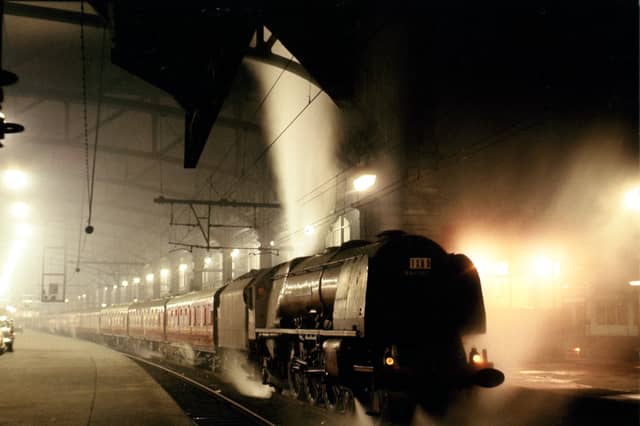

New exhibition charts what happens on the country’s railways at night
A model showing how Scotland’s first sleeper train passengers travelled 150 years ago is to be unveiled as part of a new exhibition on the country’s railways at night.
The display at the Museum of Scottish Railways in Bo’ness from Saturday will also show sleeper trains through the ages along with other overnight services such as the Royal Mail’s former Travelling Post Office.

Trains with beds have been crossing the Border since 1873, with today’s Caledonian Sleeper service running six nights a week between Aberdeen, Edinburgh, Fort William, Glasgow, Inverness and London.
Jim Summers, of the Scottish Railway Preservation Society (SRPS), which runs the museum, said the new model of the North British Railway carriage had a detachable roof and side so people could see how the seats were converted to beds.
He said: “It was a very complicated revolving arrangement, with armrests which folded up and legs which folded down automatically - not a simple pull-out system.”

A contemporary description of the carriages stated: “The two first class compartments are elegantly furnished, the sides and roof being panelled with polished silver-walnut wood, set with ebony and gold mountings.
“The whole of the furniture and mountings, both outside and inside, are silver-plated and of the newest design, while the floors are covered with the best pile carpet laid on kamptulicon [cork and rubber].”

Mr Summers said: “Nothing was spared to make an impression. The ordinary folk and probably accompanying servants were up all night in the plain compartment and the luggage at the opposite end.”
The service ran between Glasgow via Edinburgh to London.

Visitors will also be able to step into the museum’s restored first class sleeping carriage from 1935, which included showers, another coach from 1970, and a third from the 1980s which ran until the current fleet was introduced seven years ago.
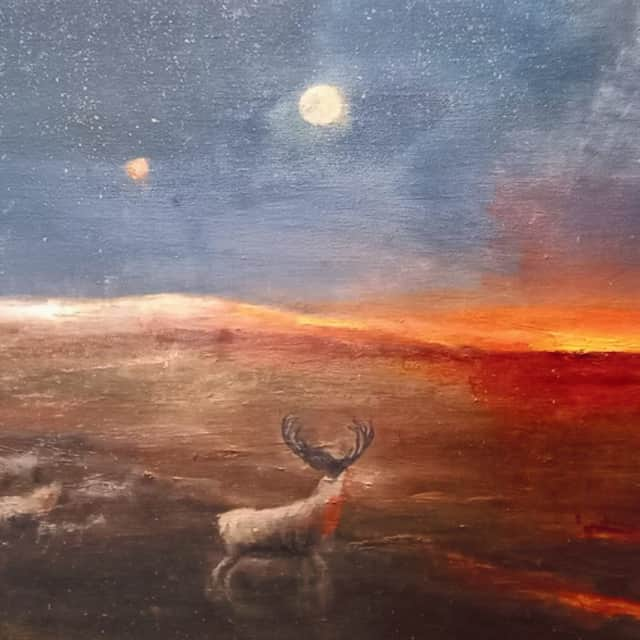
Other exhibits include a specially commissioned painting by former Glasgow School of Art director Professor Dugald Cameron, Dawn from the Sleeper, depicting Rannoch Moor on the Fort William line.
The Travelling Post Office, star of the 1936 film Night Mail, featuring the WH Auden poem of the same name and music by Benjamin Britten, saw mail sorted on the move which was collected and dropped using lineside equipment without stopping.

The exhibition also refers to newspapers being transported by train overnight, including The Scotsman, which pioneered the use of a dedicated carriage.
Night time trains also included Motorail services, in which passengers’ cars were carried in wagons attached to sleeper carriages.

Vicky Kerrigan, the SRPS’s collections manager, said: “Overnight trains have long been integral to our Scottish heritage.
“They have swept slumbering Scots to early morning meetings, transported tourists to the bright lights and excitement of the big cities, and sped Scottish fish and meat to London markets.
“Forging its way north, the sleeper has awakened the towns and villages of Scotland to a new day, delivering the news and mail, and bringing weary wanderers home to the Highlands.
“No other train service has played such an integral part in connecting communities across our country.”
Comments
Want to join the conversation? Please or to comment on this article.