
Scotland rural bus service cut threat to pay for zero emission vehicles
Scottish Government planning to ban new diesel buses sometime from 2030

Fears that rural bus services could have to be cut further to pay for greener vehicles have been raised by transport chiefs.
The concern follows ministers announcing plans to ban the introduction of new diesel buses in Scotland at some point from 2030.


Ranald Robertson, director of the Highlands and Islands Transport Partnership co-ordinating body, said: “Losing services in rural areas is not a choice that's justified by making the bus zero emission.”
He was speaking at the Confederation of Passenger Transport Scotland conference this week, which heard that 25 per cent of the country’s bus fleet was now zero emission - electric or hydrogen powered.
However, the Scottish Government had set an “ambitious” target in its 2022 Programme for Government of phasing out half of Scotland’s 4,000 diesel buses by the end of 2023, which it later admitted would not be reached.
Colin Craig, managing director of West Coast Motors, which runs buses in areas such as Argyll and the Borders, told the conference that ministers had not got their funding priorities right over rural services and zero emission vehicles.
He said: “This push to net zero really highlights the conflict - which one is it, because you cannot have both. What's more important - is it a question of services or getting to zero emission?
“In the rural context, we simply don't have income in the industry to support that, so surely you have to prioritise service provision.
“In the rural areas when services are being pulled and under such constant pressure or threatened with withdrawal, that value is greatly diminished. I understand ministers’ aspiration to set challenging dates, but they have to be realistic.”
Gordon Grant, principal transport officer at Scottish Borders Council, said zero emission vehicles piled more pressure on already-stretched local authority funding to support bus services.
He said: “If operators are being pushed to go electric in an area like ours, the cost of the vehicle is so much more. So the cost of the contract to the local authority is so much more as well. So how much of a service do we have to take away for the operator to have that vehicle?”
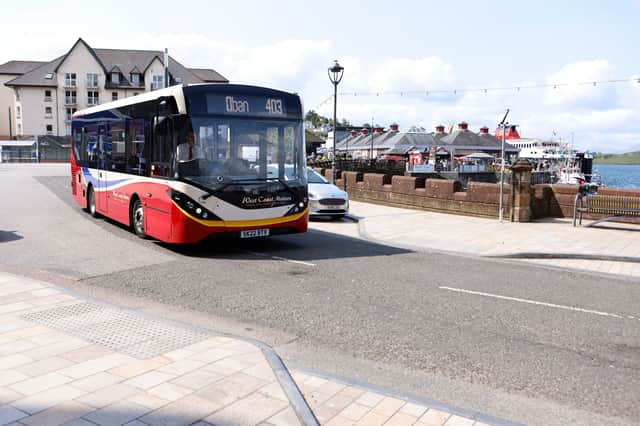
Transport Scotland has said it was “examining options to introduce regulation to prohibit the registration of new non-zero emission buses from a date no earlier than 2030”. It has provided more than £160 million to help operators switch from diesel buses.
Connectivity minister Jim Fairlie said rural services and reducing emissions were “equally important”, when asked which of them took priority by the conference chair Sarah Boyd, the managing director of Edinburgh bus operator Lothian.
He said: “Everything that we have to do has got to be balanced. What takes priority? They both have to try and get there in tandem and I know that's going to be really difficult, that's going to be really challenging.
"We're going to set ourselves difficult targets to meet or else we're just going to stagnate. There is not one thing that is more important than the other.
"We're going to have to be realistic about what's going to be achievable in the timescales that we are going to set. If we make it hard for each other, that's fine, because that means we're pushing ourselves."
Comments
Want to join the conversation? Please or to comment on this article.