
Rosyth ferry: UK Government investment brings return of Scotland-Europe ferry link a step closer
It is 15 years since the last passenger service ended between Scotland and mainland Europe
A direct ferry route between Scotland and France moved a step closer on Thursday after the UK Government promised a £3 million upgrade for Rosyth.
Talks have been taking place about the launch of a new service operated by international ferry company DFDS, between Rosyth and Dunkirk, carrying both passengers and freight.
The 20-hour service has yet to be confirmed but the Port of Dunkirk said in January it expected it to be launched late this year or early in 2027.
Scottish Secretary Douglas Alexander announced the £3 million investment in vital Border Force and Customs infrastructure ahead of a visit to Rosyth to meet senior figures from Forth Ports, DFDS and the operators of the Port of Dunkirk.
However, a border control post will still be required to check imported goods, which will be at Grangemouth on the other side of the Forth under Scottish Government plans that would require a law change.
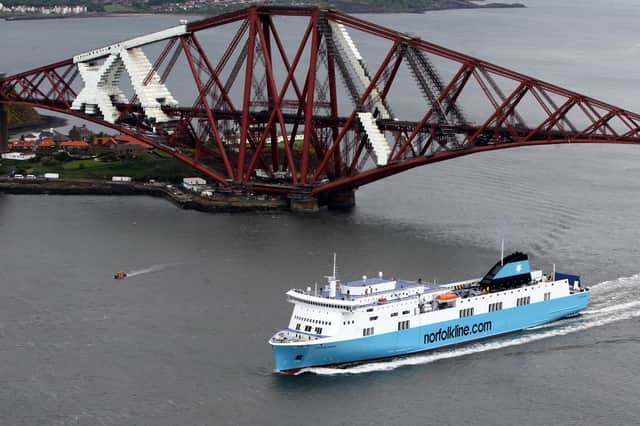

The UK Government funding, from its Growth Mission Fund, is subject to the conclusion of a commercial agreement between Rosyth operator Forth Ports and a ferry firm, as well as approval of their business case.
Mr Alexander said: “With the UK Government delivering £3 million in investment, this new direct ferry service would connect Scotland to Europe’s doorstep. The UK Government is backing Scottish businesses to grow, export and compete on the world stage.
“It would boost tourism, open up new markets for Scottish businesses, create jobs, take freight off our roads and grow Scotland’s economy. This is a big step forward and I hope we will soon see the first ferry set sail. This is a major vote of confidence in Scotland’s, and the UK’s, economic future.”
Chancellor Rachel Reeves said: "Backing Rosyth with this £3 million investment would be a major boost to Scotland's infrastructure and tourism, and would make the area a more attractive place to live, work and start a business in the years to come."
It is 15 years since the last passenger service ended between Scotland and mainland Europe when the Rosyth-Zeebrugge ferry switched to freight-only and later ceased operating altogether.
The new route would link with Dunkirk’s state-of-the-art rail terminal, which connects the port to major centres across the European Union, opening up significant new opportunities for Scottish exporters.
It would also create local jobs to support the ferry’s operation. It comes at a time when the UK and EU are seeking to strengthen cross border trade cooperation through the new EU/UK trade agreement.
The EU is a key market for Scottish businesses, accounting for 45 per cent of exports. And the new link would help drive economic growth in Scotland by strengthening export capability and tourism opportunities.
Stuart Wallace, chief executive officer of Forth Ports, said: “Forth Ports welcomes this step from the UK Government to support the growth of the maritime freight and passenger sector in Scotland. A ferry service from Rosyth to mainland Europe is a key part of the Forth Green Freeport and this funding helps create the market conditions needed to see the ferry take a step closer to reality.”
Mathieu Girardin, executive vice-president and head of DFDS’s ferry division, said: “We are pleased to see the UK Government’s commitment to strengthening port infrastructure in Rosyth.
“This is an important step in bringing a new route between Scotland and mainland Europe closer to reality. While a few elements still need to be addressed, we see strong potential in the route and look forward to continuing our discussions with all partners involved to move the project forward.”
Daniel Deschodt, executive vice-president of the Port of Dunkirk, said: “The establishment of a direct maritime link between the ports of Rosyth and Dunkirk is a significant strategic asset.
“This new freight and passenger ferry service will enhance connectivity between the two countries, facilitating smoother trade flows and serving as a powerful catalyst for economic growth. It will stimulate port activity, boost local employment, and strengthen the logistics, competitiveness, and tourism of both regions within Europe.”
Comments
Want to join the conversation? Please or to comment on this article.