
'Post-apocalyptic' drivers' mood after Covid pandemic 'fuelled road crash increase'
Motorists “think they have survived the worst possible thing that could have happened to them”

"Post-apocalyptic" attitudes by drivers following the Covid pandemic contributed to an increase in crashes on Scotland’s roads, according to a road safety chief.
Motorists became more lax because they thought the worst thing that could happen to them had passed once the threat from the virus faded, Road Safety Scotland director Michael McDonnell has told a major industry event.
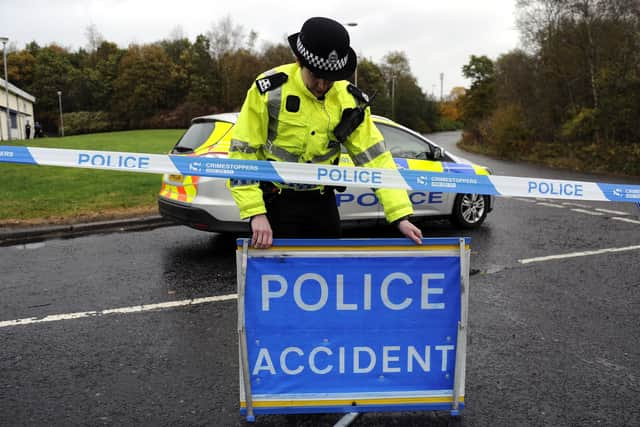

The number of road deaths in Scotland increased from 128 in 2021 to 165 in 2022, fell to 143 in 2023 but then increased again to 161 last year.
The official Transport Scotland figures also showed that serious injuries increased by 1 per cent to 1,978 in 2024 compared to 2023, which have also increased in every year previous since 2020.
Mr McDonnell told the Road Expo Scotland event in Glasgow: "There was a post-pandemic decline in road safety performance which in some ways demonstrated what the Department for Transport (DfT) have said is a post-apocalyptic period.
“In other words, people who have survived wars, people who have survived plagues, and people who have survived the pandemic believed that the worst thing that could possibly happen to them has already happened, and therefore they have become a wee bit more lax in anything else they have been doing that involves an element of risk.
“The DfT considers that is actually playing in the road safety arena."
The Scottish Government has set a target of having the world’s best road safety performance by 2030, with no deaths or serious injuries by 2050.
Transport Secretary Fiona Hyslop said the 2024 casualty figures were “a painful reminder of the challenges we face on our roads”.
She described road safety as an “absolute priority” for the Scottish Government, and said £48 million was being spent in 2025-26 on measures such as road improvements, and speeding and drink/drug campaigns.
However, a road safety consultant said "post-apocalyptic" risk perceptions may have passed.
Neale Kinnear, founder of Affective Mobility, who was head of transport safety at TRL, the UK Government’s former Transport Research Laboratory, said: “Road casualties fell to historic lows during Covid because traffic volumes collapsed even though emptier roads also encouraged more high-risk behaviour like excessive speeding.
“As traffic returned, casualties moved back towards pre-pandemic patterns. Since then, major shifts in how people travel - more home working, growth in delivery activity, more vans - mean it’s difficult to attribute current casualty trends to any single factor.
“There’s some evidence that Covid altered people’s perception of everyday risk, but it’s uncertain whether that effect persists.
“What we do know is that the wider driving culture has a far greater influence on driver behaviour and crash rates than any short-term shock.”
Scotland-based road safety consultant Neil Greig said: “It’s so hard to abstract any one causation factor in road safety.
“As well as the survival factor, long Covid might have played a role - drivers not being as switched on as they might have been.
“There are many other factors that might come into play, such as a return to busier roads, cuts to road policing and increasing distraction from new technology.”
Comments
Want to join the conversation? Please or to comment on this article.