
Ferguson Marine shipyard has 'fundamental weaknesses', as 'difficult trade-offs' needed to finish Glen Rosa

‘Difficult trade-offs’ are required to find extra £35 million to complete the Glen Rosa ferry.
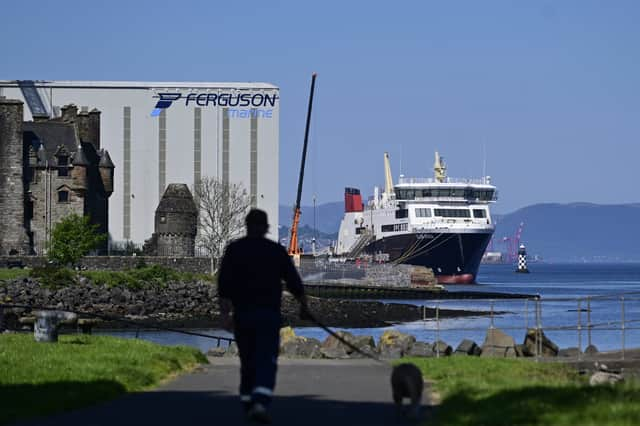
Ferguson Marine has “fundamental underlying weaknesses”, Scottish Government officials have told MSPs, as the yard struggles to secure new work to stay in business.
The verdict was delivered at Holyrood on Wednesday, just days after the nationalised Port Glasgow firm had asked for significantly more time and money to complete its final remaining major order.
Those overseeing Ferguson Marine said “difficult trade-offs” would be required to find the extra £35 million needed to finish the hugely late and over budget Glen Rosa ferry for CalMac.

The officials from the Scottish Government’s strategic commercial assets division also revealed the additional “huge over-run”, as described by one MSP, included some work on the ferry being done in the wrong way as it had been on now-finished sister vessel Glen Sannox.
Dermot Rhatigan, the division’s deputy director, told the Scottish Parliament’s public audit committee: “I don’t think anybody is in any doubt there are some fundamental underlying weaknesses with this organisation that we still need to address."
Failed contract bids
Ferguson Marine failed to win the order to replace two vessels it had built for Western Ferries in Dunoon, along with another for seven electric ferries for CalMac.
It has been hoping for more than a year that small scale Royal Navy work for BAE Systems in Glasgow will lead to a bigger contract.
Gregor Irwin, director-general economy for the Scottish Government, said: “The yard needs continuity and stability, and an absolute focus on the many challenges that it faces.
“Graeme Thomson coming in as chief executive [on May 1] is really important, but we need to ensure there is continuity and stability around him so we can have the best possible chance of doing what needs to be done.”
Glen Rosa admissions
Last week, Mr Thomson said Glen Rosa would not be complete until between April and June next year - up to nine months later than previously scheduled and eight years after it should have been finished.
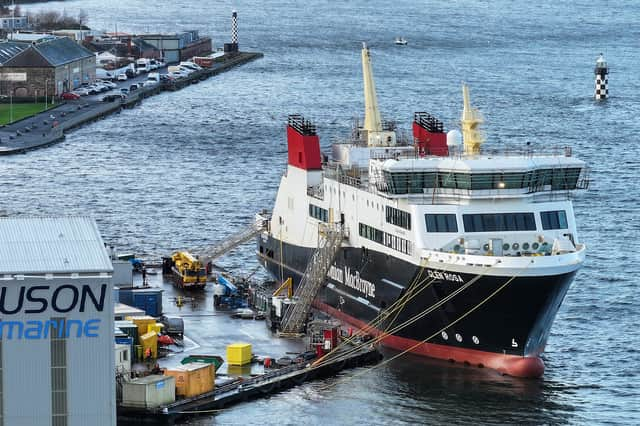
The additional £35m required will push the ferry’s cost to £185m - nearly four times the original contract price.
Mr Irwin said he would “scrutinise very carefully” the extra funding, and if it was not judged to be value for money, he would ask ministers to confirm their previous instruction to continue with the project still applied.
In 2023, the-then economy secretary Neil Gray approved work continuing on the ferry despite it being found that it would be cheaper to build another one from scratch. He said that would have cost jobs and delayed completion further.
Mr Irwin admitted the new checks, which would involve consultants being drafted in at a cost of around £100,000, risked “distracting management attention” from focusing on finishing Glen Rosa.
He also said approving the extra £35m for the yard would “require difficult trade-offs and decisions to be made” as it had not been allocated from the Scottish Government budget.
Huge ferry cost over-runs
West Scotland Scottish Liberal Democrat committee member Jamie Greene described the figure as a “huge cost over-run” that was almost as much as the original cost of the ferry.
Mr Rhatigan said part of it was because the yard had “worked through lessons learned on Glen Sannox and realised some things that were done in the wrong way on Glen Sannox were also done in the wrong way on Glen Rosa, so there is an element of re-work”.
Major sections of Glen Sannox, which was finished six-a-half years late in November last year, had to be rebuilt because parts such as piping were installed in the wrong order.
David Tydeman, who was seen as a scapegoat for previous delays to the ferries when he was sacked last year, said: "Since nationalisation in 2019, the taxpayer has been effectively paying 'time and materials' for the Glen Sannox and Glen Rosa, and that since the contracts were placed in 2015, more than £100m of the total [yard] costs have been to cover the costs of the board, management and overheads.
“When I left in March last year, there was a maximum of £50m uncommitted costs forecast for Glen Rosa.
“This relatively huge percentage increase of £35m now raises the question of how much is to fund retaining the board and management and keeping the lights on against the actual costs of completing Glen Rosa?"
Comments
Want to join the conversation? Please or to comment on this article.