
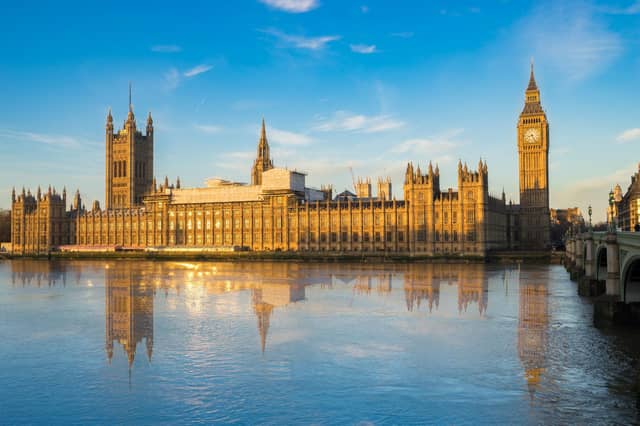


New research has revealed what the public think of the Conservative leadership candidates.
Focus groups conducted by think-tank More in Common have looked at the strengths and weaknesses of each of the main candidates, which include Kemi Badenoch, James Cleverly and Tom Tugendhat.
The ten focus groups were convened across English constituencies in July and August, with participants coming from a mix of demographic backgrounds.
Tory leadership hopefuls have in recent days traded blows over immigration, with Robert Jenrick’s key pledge to leave the European Convention on Human Rights (ECHR) dismissed as an attempt to provide “easy answers” by his rival Ms Badenoch.
Mr Cleverly, the shadow home secretary, has suggested that promising to leave the ECHR was offering “soundbites and quick fixes” rather than working to resolve a complex issue.
Mr Jenrick believes the UK must leave the ECHR, and the Strasbourg court which rules on it, to make it easier to remove people who arrive in small boats across the English Channel.
He also wants an end to mass legal migration, with a binding cap to bring it down to the tens of thousands “or less”.
But Mrs Badenoch, the bookmakers’ favourite to replace Rishi Sunak as Tory leader, said: “People who are throwing out numbers, saying we’ll leave the ECHR and so on, are giving you easy answers. That’s how we got in this mess in the first place.”
Mr Jenrick, who quit Mr Sunak’s government after pushing for tougher measures over the Rwanda asylum scheme, is seen as Mrs Badenoch’s closest rival for the job.
But on the overall strengths and weaknesses of the main Tory candidates, here are the results found by More in Common.
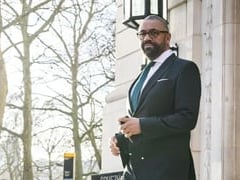
9. James Cleverly weaknesses
A consistent and repeated concerned was that Mr Cleverly was too laid back or jovial. This was reinforced for the few participants who had heard his off-colour jokes or saw him in the TV spin rooms during the election campaign and thought it made him look less like a serious leader. | Getty
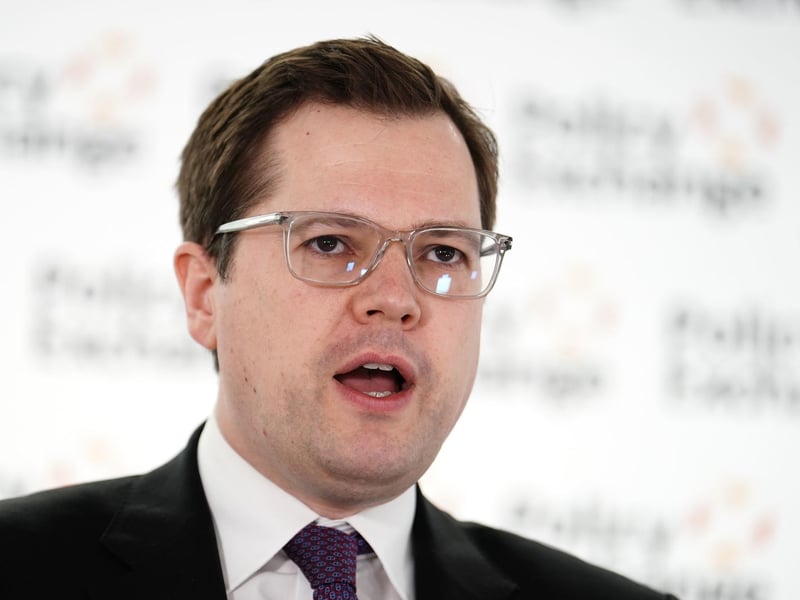
10. Robert Jenrick weaknesses
Some of those surveyed felt he just wasn’t likeable enough. Voters felt he was too old school Conservative, appeared as smug, slimey or smarmy and could be wooden in his answers. Those who abandoned the Conservatives to the left felt that he would be unable to unify the party, and one even wondered whether he would be better suited to run for the leadership of Reform UK. Photo: Jordan Pettitt
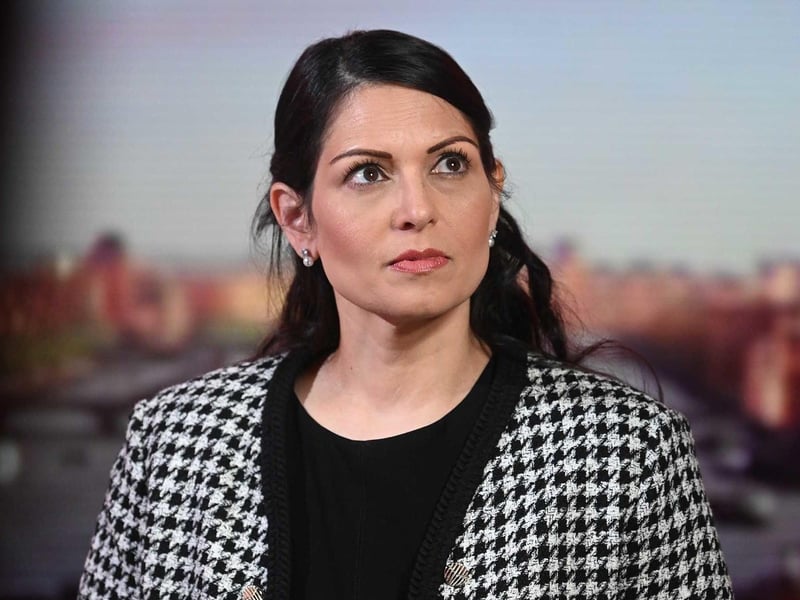
11. Priti Patel weaknesses
Ms Patel's biggest challenges are down to her record in Government. Many felt Ms Patel represented more division and baggage of the past when most voters wanted a break from it. A surprising number of people had heard about the bullying allegations which dented her appeal across groups, as did her failure to reduce levels of immigration as Home Secretary. Photo: Jeff Overs
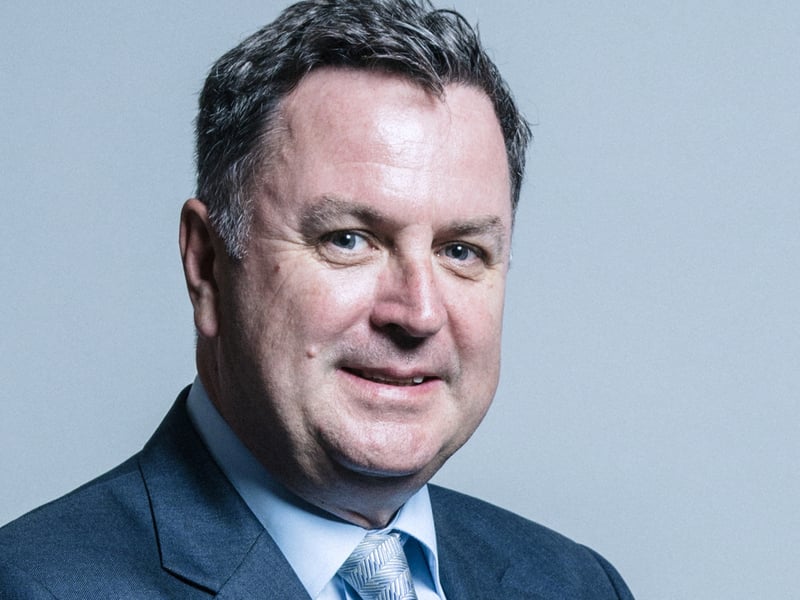
12. Mel Stride weaknesses
The main challenge facing Mel Stride’s appeal with voters is that he didn’t have "stand out" characteristics. Many people said he fitted the image of what they expected from an MP, but that didn’t mean that they could see him as a leader. The risk is that while Mr Stride is relatively inoffensive to many, he also comes across as too generic or vanilla. | UK Parliament/PA Wire