
So is minimum unit pricing helping? The reality behind Scotland's 15-year-high alcohol death rate

Minimum unit pricing was first introduced in Scotland in 2018
Figures showing that deaths caused by alcohol have reached a 15-year high in Scotland comes as a serious blow, not just for the families who have lost loved ones to the demon drink - but to campaigners working to shift the country’s image as the sick man of Europe.
According to the latest figures from the Office for National Statistics (ONS), Scotland holds the unenviable status of having the highest rate of alcohol deaths in the UK. There were 1,277 such deaths north of the Border in 2023 - 22.6 per 100,000 people. Northern Ireland is close behind at 18.5 deaths per 100,000 people, while the figure is 15 per 100,000 in England.
It is seven years since the Scottish Government became the first country in the world to introduce a minimum unit price (MUP) for alcohol. The original 50p per unit price increased for the first time last year, to 65p per unit. Under the new rules, a typical 12.5 per cent bottle of wine cannot be sold for less than £6.09 and a can of lager for at least £1.30.
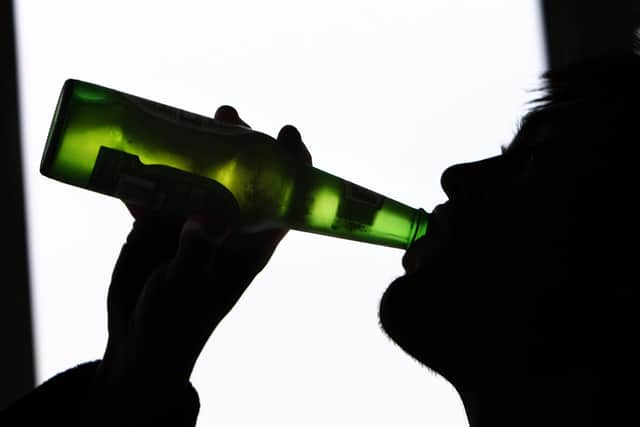

Meanwhile, a bottle of vodka now costs at least £17.06 in Scotland. The same product us sold for around £5 less in English supermarkets.
The flagship policy has come if a lot of criticism - a state of affairs that will not be lessened by the latest statistics.
However, what is important to remember is that any measures introduced in recent years will have had little effect on these figures.
As Laura Mahon, deputy chief executive of Alcohol Focus Scotland, pointed out, the vast majority of last year’s deaths come “as a result of people drinking heavily over the course of many years”.
The Covid pandemic, which may seem fairly recent in people’s memories, but now began almost five years ago, has often been cited as a flashpoint for an increase in drinking. The rise came among both those with an existing alcohol problem, who were left to their own devices at home, without as much of a need to interact with people who may hold them accountable, and those who struggled with isolation during lockdown,. These people may not have had alcohol problems in the past, but turned to drink when stuck alone at home.
One bright point is it is possible the younger generation are likely to change these figures for the better in the future.
Almost one in five Scots say they do not drink at all, according to Alcohol Focus Scotland. Anecdotally, it is many Generation Z-ers and Millennials who have given up - or have never started - drinking.
Indeed, the UK-wide figures released by the ONS show that for the first time, rates of alcohol deaths fell for the first time since 2020 for people aged between 25 and 59.
One report from charity Drinkaware in 2021 found that overall, Scotland’s drinking habits were actually marginally better than those in England or Wales. However, the one measure that Scotland deviated on was binge drinking.
The study found 20 per cent of Scottish drinkers consume seven or more units of alcohol in a typical drinking day, higher than the 16 per cent of all UK drinkers. With many alcohol-related diseases linked to heavy and sustained drinking, there could well be a correlation.
Comments
Want to join the conversation? Please or to comment on this article.