
Scottish ministers 'failing' to uphold human rights over poverty, watchdog warns
Poverty is the result of ‘policy choices’, commission says


The Scottish government is failing to meet its human rights obligations to provide Scots with an adequate standard of living, according to a leading watchdog.
The Scottish Human Rights Commission (SHRC) warned that despite steps it had taken to alleviate poverty, the government’s actions to date “have not been enough,” with poverty rates, including for children, not falling significantly over the past decade.
It has called on ministers and public bodies to “meaningfully address” the structural barriers and social condition in which poverty is rooted, with legal reform and a “refreshed approach” to poverty alleviation viewed as key.
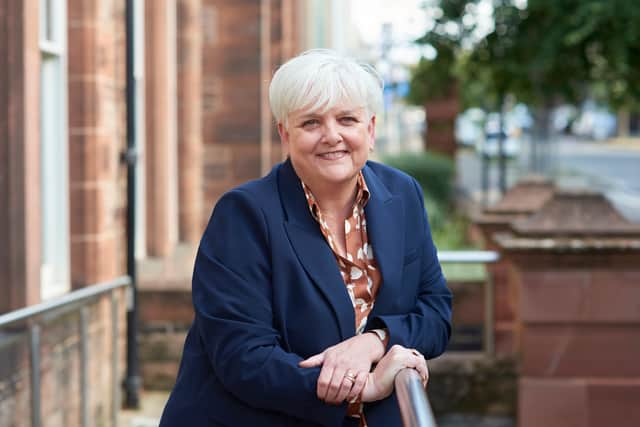
The commission’s chair, Professor Angela O’Hagan, stressed that poverty was “the result of policy choices,” and described it as a “serious human rights issue.”

The Scottish government said it was committed to creating a “fairer, more prosperous Scotland,” and that it welcomed the “challenge” from the SHRC.
In the first of a series of new reports examining the issue of poverty, the commission said the government must pull together its existing commitments on child poverty, public service reform and human rights law into a coherent, rights based approach to ending poverty.
Read more: The shocking number of Scottish children living in poverty must galvanise SNP into action
It said at a time when when the government was facing “difficult decisions” as it pursues a programme of public service reform, its goal must not only be creating more effective and efficient public services, but enacting changes “so that the state is there when people need it,” with services improving the lives of people and meaningfully reducing poverty.
The government, its report said, must set out clear actions and measurable targets, supported by adequate funding, which are informed by the United Nations guiding principles on extreme poverty and human rights, to address the causes and consequences of poverty across Scotland.
Existing proposals to incorporate economic, social and cultural (ESC) rights into Scots law through a human rights bill must also provide a “clear framework” to alleviate poverty, it added.
Prof O’Hagan, said: “Almost a million people in Scotland are living in poverty. People are hungry. People are homeless or living in inadequate housing and cannot access vital services like healthcare and social security. This is a serious human rights issue. The Scottish government and other public bodies are failing to meet their human rights obligations.
“Poverty is not inevitable, it is the result of policy choices. Using a human rights framework gives a clear, practical and non-political framework to guide the decisions of policy makers and public service leaders. As Scotland's national human rights institution, we are calling on the Scottish government to take a deliberate and focused human rights based approach to eradicating poverty.”
The report said the rising costs of living meant the effects of poverty on people’s lives were being seen ”ever more starkly,” with many people struggling to find quality employment where they live, or encountering insufficient support to overcome barriers to accessing work or education.
“Across the country people cannot afford housing, or access essential services like healthcare and social security, and many households and individuals are going without adequate food or essentials,” it stated.
As of March, close to a million people in Scotland, or around 17 per cent of the population, were living in relative poverty after basic housing costs were paid. Over one in five children (21 per cent) are in relative poverty, while one in ten people in Scotland live in persistent poverty.
The SHRC points out that the risk of poverty is not the same for everyone in Scotland, with people from minority ethnic groups, households with a disabled member, and single parents - most of whom are women - more likely to live in poverty. It also emphasised that women and girls who live in poverty are more likely to face gender-based violence and find it difficult to access support and advice.
The SHRC’s intervention comes ahead of this week’s programme for government, with First Minister John Swinney expected to spell out his plans for “radical change” over the next five years, with “significant” reform of the nation’s public services.
“Until the state takes effective steps to reduce poverty, people in Scotland will not be able to fully enjoy their human rights,” the report stressed. “The way to take these effective steps is by engaging fully with the human rights requirements and principles that underlie poverty alleviation, and addressing the structural and social conditions which act as barriers to full enjoyment of rights for all.
“The Scottish government has made commitments to bring human rights into Scots law, to alleviate child poverty, and on public service reform. What is needed now is a clear anti-poverty approach recognising that these commitments can and must pull together to address poverty in Scotland.”
It is understood that Ivan McKee, the cabinet secretary for public service reform, will meet Prof O’Hagan in the coming weeks to discuss some of the proposed changes that will be set out in the programme for government.
A spokesperson for the Scottish government said: “Scottish ministers have made clear that their priority is to create a fairer, more prosperous Scotland and that eradicating child poverty is their defining mission.
“Ministers welcome the Scottish Human Rights Commission’s challenge and agree that public service reform can unlock greater prosperity.
“It is about refining systems to deliver priorities, such as reducing the cost of living, eradicating child poverty, or improving access to healthcare. Preventative, joined-up systems are exactly what this government is delivering to respect, protect and fulfil people’s rights.”
Comments
Want to join the conversation? Please or to comment on this article.